
How To
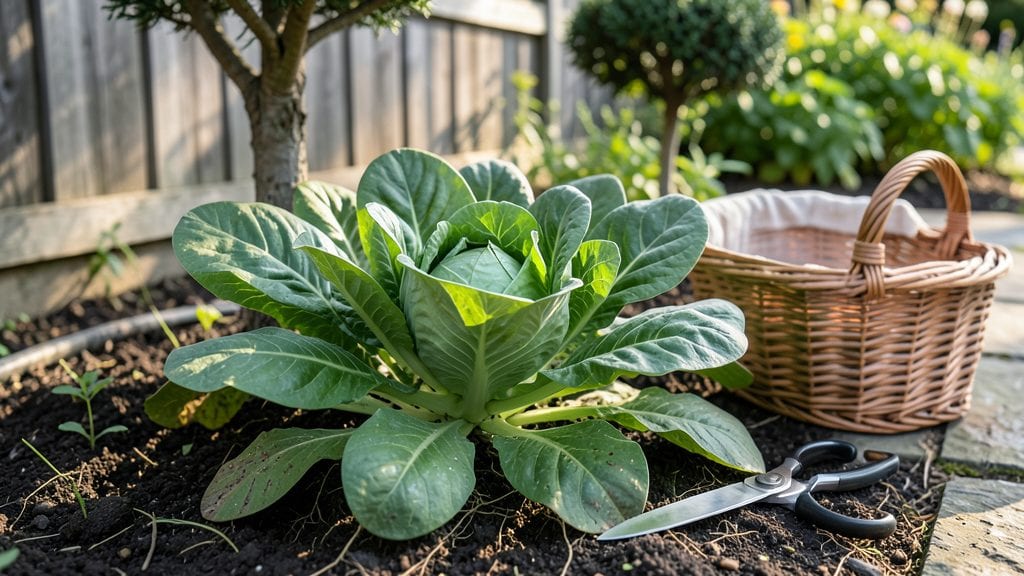
Harvesting romaine lettuce 🥬 from your garden at the right time ensures crisp, flavorful leaves every time—no more bitter, limp, or overgrown heads.
Picture this: you’ve nurtured your romaine for 50 days, watching it grow from tiny sprouts to towering green stalks. Then you cut it too soon, and those perfect leaves turn rubbery by dinner.
Or you wait too long, and the center bolts into flower stalks before you even taste it. The difference between a salad-worthy harvest and a sad, wilted pile comes down to knowing exactly when to snip—and how.
Romaine thrives in spring and fall, but the May-June window is prime for peak flavor. You’ll spot the perfect moment when outer leaves hit 6-8 inches, stay deep green, and feel firm to the touch.
That’s your cue to grab sharp scissors and follow the cut-and-come-again method, leaving the inner leaves to keep growing.
Below, I’ll walk you through the step-by-step process—when to pick, how to cut without killing the plant, and pro tips to stretch your harvest for weeks. No more guessing, just crisp, homegrown romaine ready for your next meal.
When to harvest romaine lettuce for peak flavor and texture
Harvesting romaine lettuce at the right time transforms your garden bounty from good to exceptional. The difference between crisp, flavorful leaves and bitter, tough ones often comes down to timing and visual cues.
Romaine thrives when harvested between 50 to 70 days after planting, but knowing the exact signs saves you from picking too early or too late.
Look for deep green, elongated leaves measuring 6 to 8 inches long. These leaves should feel firm and crisp when gently squeezed—a telltale sign of peak texture. If the outer leaves are already reaching this size while the inner leaves are still small, it’s time to harvest.
Ignoring these cues often leads to bolting (flowering) or overmature lettuce with a bitter taste.
Weather plays a critical role too. Harvest romaine on cool, cloudy mornings to preserve crispness. Avoid picking after hot afternoons or before frost, as both conditions stress the plant and compromise flavor. Early morning harvests also reduce wilting, giving you fresh, restaurant-quality lettuce straight from your garden.
One common mistake is harvesting whole heads at once. Instead, focus on cutting outer leaves first, leaving the inner growth intact. This method extends your harvest season by 2 to 4 weeks and encourages the plant to produce more leaves.
If you’re unsure whether your romaine is ready, check the stem thickness—thick, sturdy stems support a mature harvest.
Overlooking leaf color consistency is another pitfall. Pale yellow or uneven coloring signals stress, often from overcrowding or nutrient deficiencies. Healthy romaine should have a uniform deep green hue with no brown edges. If you spot these issues, address them immediately to salvage your crop.
Seasonal timing matters too. In spring and fall, romaine grows faster due to moderate temperatures. Summer heat can cause bolting, so provide shade cloth if temperatures exceed 80°F (27°C). Conversely, winter harvests in mild climates yield sweeter lettuce, as cooler nights enhance flavor.
Now, let’s break down the key harvest indicators in an easy-to-follow table to ensure you never miss the perfect moment.
🌱
| Harvest Cue | Description | Action |
|---|---|---|
| Leaf Size | 6–8 inches long | Harvest outer leaves first |
| Leaf Texture | Firm and crisp | Avoid if leaves feel limp |
| Color | Deep green, uniform | Discard pale or yellow leaves |
| Stem Strength | Thick and sturdy | Harvest when stems support weight |
| Time of Day | Cool morning (before 10 AM) | Prevents wilting and bolting |
| Weather | Cloudy or mild days | Avoid heatwaves or frost |
Harvesting too early robs you of full flavor and texture, while waiting too long risks bitterness and bolting. If your romaine starts forming flower stalks, it’s past its prime. To prevent this, succession plant every 2 weeks for a continuous supply of fresh lettuce.
Pro tip: Use a sharp knife or pruning shears to cut leaves cleanly, leaving ½ inch of growth at the base. This minimizes damage and encourages regrowth. For whole-head harvests, cut just above the soil line to avoid disturbing the roots of nearby plants.
🌿
Finally, store harvested romaine in the crisper drawer of your fridge, wrapped in a damp paper towel to maintain moisture. This simple step keeps lettuce fresh for up to 10 days, giving you time to enjoy your homegrown harvest before replanting.
Step-by-step guide to cutting romaine lettuce without damaging the plant
Harvesting romaine lettuce the right way ensures you get crisp, flavorful leaves while keeping your plant healthy for future harvests. The key is patience—romaine thrives when you cut strategically to encourage regrowth.
Whether you're harvesting outer leaves or the whole head, timing and technique make all the difference in avoiding stress or bolting.
Romaine lettuce is one of the few greens that rewards you for selective harvesting. By picking only what you need, you can enjoy continuous harvests for weeks. Avoid the temptation to cut the entire head at once—this kills the plant.
Instead, focus on outer leaves or partial cuts to keep the center intact. This method also helps prevent bolting, a common issue when plants feel stressed.
How to Harvest Romaine Lettuce from Garden
- Step 1: Choose the Right Time – Harvest in the early morning when leaves are cool and crisp. Avoid harvesting after rain or in hot afternoons, as this can cause wilting.
- Step 2: Use the Right Tools – Grab a pair of clean, sharp scissors or a pruning shears. Avoid using your fingers to pull leaves, as this can damage the plant.
- Step 3: Identify Leaves to Harvest – Look for outer leaves that are 6-8 inches long and fully elongated. These are ready to pick while leaving the inner leaves to grow.
- Step 4: Make a Clean Cut – Hold the leaf firmly and cut at a 45-degree angle, about 1 inch above the base. This prevents water from pooling and causing rot.
- Step 5: Avoid the Center – Never cut into the heart of the plant. Leave the inner leaves and growing tip intact to ensure regrowth.
- Step 6: Water Immediately After – Give the plant a deep watering to help it recover. This encourages new growth and prevents stress.
- Step 7: Monitor for Regrowth – Within 1-2 weeks, new outer leaves should emerge. Repeat the process, harvesting only what you need to keep the plant productive.
If you're harvesting the entire head (like when the plant is mature or bolting), use a sharp knife to cut the base of the stem just above the soil line.
This allows you to replant the outer leaves as new cuttings, though romaine doesn’t always regrow successfully this way. For best results, stick to selective leaf harvesting.
Watch for signs of bolting, like tall stems and yellowing leaves. This happens when romaine senses heat or stress. To prevent it, keep the soil moist but not soggy and provide partial shade during hot afternoons. If bolting occurs, harvest the leaves immediately before they become bitter.
After harvesting, store your romaine in the crisper drawer of your fridge, wrapped in a damp paper towel to retain moisture. Use it within 5-7 days for peak freshness. For long-term storage, consider freezing or pickling the leaves to preserve their nutrients.