
How To
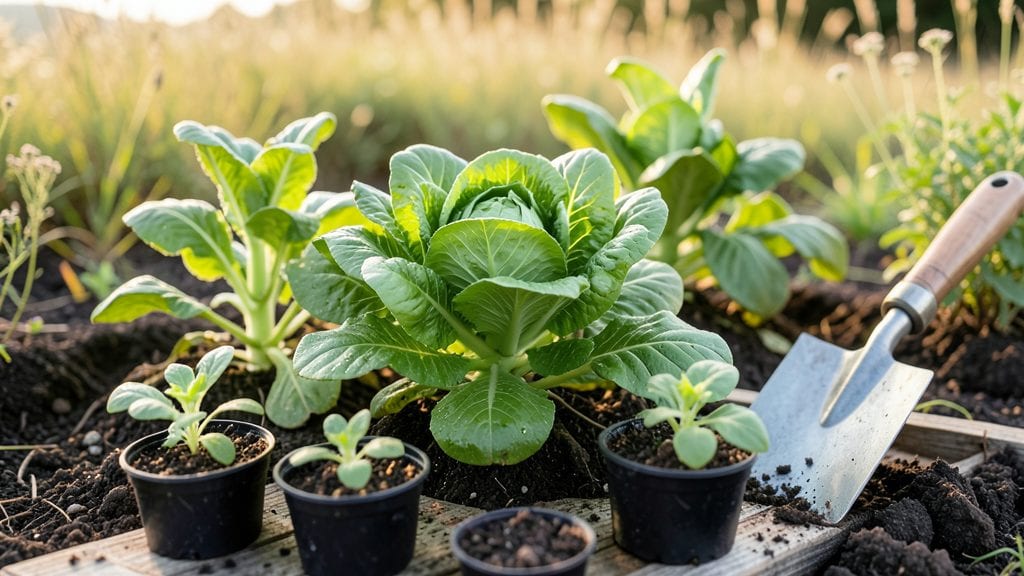
Growing a lettuce garden 🥬 is simpler than you’d think—especially when you start with the right timing and soil prep.
Picture this: 30 days from seed to salad, with crisp leaves that taste fresher than anything from the store. The secret? Planting in cool spring months, keeping the soil moist, and avoiding those hot afternoons that turn lettuce bitter.
Whether you’re working with a backyard patch or just a few containers, I’ll walk you through the fastest way to get your garden growing—no green thumb required.
By the end, you’ll know exactly when to sow, how to space your plants for maximum yield, and the one mistake that kills more lettuce gardens than pests ever do.


Fast-germination lettuce varieties and perfect planting conditions
If you're dreaming of a fresh salad in just 30 days, you'll want to focus on fast-germinating lettuce varieties that thrive in your climate. The key to success starts with choosing the right types—whether you prefer leaf lettuce for continuous harvests or head lettuce for crisp, compact varieties.
My favorite quick-growers include Black Seeded Simpson (leaf) and Buttercrunch (head), both of which sprout in as little as 5-7 days under ideal conditions.
For the fastest results, aim to plant when soil temperatures hover between 40°F and 75°F. Lettuce is a cool-season crop, so spring and fall plantings yield the best germination rates.
I've found that starting seeds indoors 4-6 weeks before the last frost gives me a head start, especially in cooler climates like mine in USDA Zone 6a. The secret?
A well-draining, nutrient-rich soil with a pH between 6.0 and 7.0—this sweet spot ensures your seeds won't struggle to break through the surface.
| Variety | Germination Time | Days to Harvest | Sunlight Needs | Soil pH | Best For |
|---|---|---|---|---|---|
| Black Seeded Simpson | 5-7 days | 30-40 days | Partial shade (4-6 hrs) | 6.0-7.0 | Cut-and-come-again |
| Buttercrunch | 6-8 days | 45-55 days | Partial shade (4-6 hrs) | 6.0-7.0 | Head lettuce |
| Salad Bowl | 4-6 days | 30-40 days | Partial shade (3-5 hrs) | 6.0-7.0 | Leaf lettuce |
| Romaine | 7-10 days | 50-60 days | Full sun (6+ hrs) | 6.0-7.0 | Head lettuce |
| Looseleaf (e.g., Oakleaf) | 5-7 days | 35-45 days | Partial shade (3-5 hrs) | 6.0-7.0 | Cut-and-come-again |
Let me share my top tip for speeding up germination: soak your seeds in lukewarm water for 24 hours before planting. This trick has cut my wait time by nearly half! Once planted, maintain consistent moisture—lettuce seeds need daily watering until they sprout.
I use a fine mist spray bottle to avoid disturbing the seeds while keeping them hydrated. After germination, reduce to every other day once true leaves appear.
Sunlight is another critical factor. While lettuce loves partial shade, it still needs 4-6 hours of morning sun daily for crisp growth. In my garden, I've placed lettuce beds near the east-facing fence where they get gentle morning light but stay shaded from the intense afternoon sun.
If you're growing in containers or raised beds, ensure they're in a spot that mimics this balance—too much direct sun can cause bolting (when lettuce goes to seed prematurely).
Temperature plays a surprising role in germination speed. Lettuce seeds sprout best between 60°F and 75°F, but they'll tolerate cooler temps down to 40°F. If you're planting in late summer for a fall harvest, use shade cloth to protect seedlings from heat stress.
I've had great success with a 30% shade cloth during the hottest part of the day, which keeps soil temps cool and prevents bolting. For spring plantings, wait until soil warms to at least 50°F—cold soil slows germination dramatically.
One common mistake I see is overcrowding seedlings, which leads to weak, leggy plants. Space seeds 1/4 inch apart in rows that are 12-18 inches apart for head lettuce, or even closer (6 inches apart) for leaf varieties.
Thin seedlings to 6-12 inches apart once they're 2 inches tall—this might sound cruel, but it ensures each plant gets enough nutrients and air circulation. Pro tip: Use scissors to snip unwanted seedlings at soil level, then transplant the extras to a nearby spot for a bonus harvest!
For the crispiest lettuce, focus on soil fertility. Before planting, mix in 2-3 inches of compost or well-rotted manure to provide organic matter. I also add a balanced fertilizer (5-10-10) at planting time, then again 4-6 weeks later to support leaf growth.
Avoid high-nitrogen fertilizers—they promote leafy growth at the expense of crisp
Step-by-step lettuce planting and care for maximum yield
Growing lettuce from seed to harvest is one of the most rewarding gardening experiences—especially when you see those first crisp leaves in just 30 days. The key to a thriving lettuce garden lies in proper seed spacing, consistent watering, and smart pest prevention.
Whether you're planting in raised beds, containers, or your backyard, these steps will ensure your lettuce stays crisp and productive all season long.
One common mistake gardeners make is crowding seeds too closely, which leads to stunted growth and disease spread. Another pitfall is inconsistent watering, which causes lettuce to bolt (go to seed) prematurely.
By following this step-by-step guide, you’ll avoid these issues and enjoy a bountiful harvest of fresh greens. Let’s dive into the essentials for planting and caring for your lettuce garden.
Step-by-Step Lettuce Planting Guide
-
Step 1: Choose the Right Location
Select a spot with partial shade (4-6 hours of sunlight daily). Lettuce thrives in cooler temperatures and can bolt in heat, so avoid full sun during summer months.
-
Step 2: Prepare the Soil
Test your soil’s pH (6.0-7.0) and amend with compost or aged manure for nutrient-rich soil. Lettuce prefers well-draining soil to prevent root rot.
-
Step 3: Sow Seeds at the Correct Depth
Plant seeds ¼ inch deep, spacing them 12 inches apart for head lettuce or 6 inches apart for leaf varieties. Thin seedlings to avoid competition.
-
Step 4: Water Consistently
Keep soil evenly moist by watering morning and evening (½ inch per week). Use a drip irrigation system to avoid wetting leaves, which can cause disease.
-
Step 5: Apply Organic Fertilizer
Feed with a balanced fertilizer (5-10-10) every 4-6 weeks during the growing season. Avoid over-fertilizing, which can lead to bitter leaves.
-
Step 6: Monitor for Pests
Watch for aphids, slugs, and snails. Use neem oil or row covers to protect young plants. Handpick pests early to prevent damage.
-
Step 7: Harvest at the Right Time
Harvest outer leaves first for continuous growth. For head lettuce, pick when firm and fully colored (typically 45-60 days after sowing).
Let’s talk about watering schedules—this is where many gardeners trip up. Lettuce loves moisture but hates soggy roots. I’ve found that watering deeply in the morning (before 10 AM) gives roots time to absorb water without encouraging fungal growth.
If you’re growing in containers, check soil moisture daily, as pots dry out faster than in-ground beds.
For organic fertilizer, I recommend a compost tea or fish emulsion every 3-4 weeks. These gentle options provide nutrients without the risk of burning young plants. Avoid synthetic fertilizers high in nitrogen, which can cause lettuce to grow leafy but flavorless.
A little goes a long way—stick to the 1 tbsp per 10 sq ft rule for balanced results.
Pest control is another critical step. Slugs and aphids are the biggest threats to lettuce gardens. I’ve had success with beer traps (bury a cup filled with beer near plants—slugs crawl in and drown) and diatomaceous earth for aphids.
If you spot holes in leaves, act fast: neem oil spray applied in the evening is a natural, effective solution.
Finally, don’t forget to harvest regularly. The more you pick, the more your lettuce will produce. For leaf varieties like buttercrunch or romaine, you can harvest outer leaves every 2-3 weeks without harming the plant.
For head lettuce, cut the entire head at the base when it’s firm and crisp—this encourages a clean, single harvest.
With these steps, you’ll enjoy a continuous supply of fresh lettuce all season. The satisfaction of harvesting your own greens is unmatched—plus, you’ll know exactly what’s gone into growing them! Happy planting! 🥬