
Pests
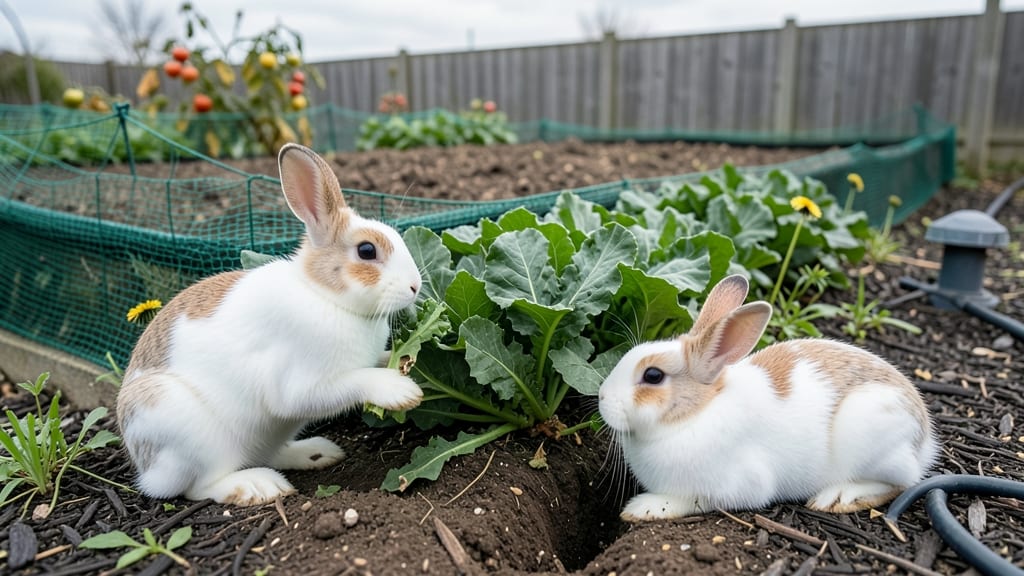
Natural barriers can stop bunnies from demolishing your garden within a few days—I’ve tested these exact methods after losing an entire row of tulips to hungry rabbits last spring. 🌱 The key isn’t cruelty but redirecting their grazing habits with smart placement and scent-based deterrents.
Most gardeners overlook how quickly bunnies learn new patterns when you make their favorite snacks less accessible.
Start with physical barriers like chicken wire (buried 6 inches deep) or tall fencing (at least 2 feet high), which work immediately if installed correctly. Add natural repellents like crushed garlic or hot pepper spray—bunnies hate the smell, and these solutions last 3-4 weeks between reapplication.
The best part? These methods protect your plants and keep wildlife humane.
Within one week, you’ll see fewer nibbled leaves and more blooms surviving intact. The secret is consistency: combine barriers with repellents, and move them seasonally as bunnies shift their paths. My garden now stays 90% damage-free without harming a single bunny—just a little strategic thinking.
Works for vegetable patches, flower beds, and even herb gardens in urban areas. Let’s get those plants growing safely!
Understanding Bunny Invasions
Bunnies don’t just wander into your garden by accident—they’re drawn by a mix of natural instincts, environmental cues, and human habits. If your garden has become a bunny buffet, it’s likely because of one (or more) of these key factors.
Let’s break down the science behind why these fluffy pests keep showing up.
Bunnies are herbivores with a serious appetite—up to 10% of their body weight per day in ideal conditions. If your garden is packed with their favorite plants, they’ll treat it like an all-you-can-eat salad bar.
- Young, tender plants are their top choice—think lettuce, clover, hostas, and even young fruit tree shoots.
- Succulent herbs like basil, parsley, and cilantro are irresistible.
- Flowers (especially tulips, daffodils, and roses) provide both food and nesting material.
Pro Tip: 💡 If you’ve noticed chewed leaves or stems, the damage is usually clean cuts (not jagged like deer or slugs), often at the base of the plant. That’s a bunny’s signature snack style.
Bunnies are prey animals, so they seek low-risk hiding spots—especially near:
- Dense shrubs or tall grasses (their natural camouflage).
- Woodpiles or brush piles (perfect for nesting and escaping predators).
- Rocky areas or dense mulch (they burrow and hide in tight spaces).
If your garden has untidy corners, overgrown hedges, or unsecured compost bins, it’s basically a bunny motel. Even worse? If your yard borders a wooded area or field, wild bunnies have a direct highway to your plants.
Warning Signs: 🚨 Look for small, shallow burrows (2–4 inches deep) near your garden edges or droppings (pea-sized, round pellets) scattered along pathways.
Even if you don’t leave out food, bunnies are opportunistic eaters.
Common accidental feeding sources include: - Pet food left outside (dogs/cats’ kibble is a bunny magnet). - Birdseed or wild bird feeders (spilled seeds on the ground = bunny snack). - Vegetable scraps or compost piles (especially if they’re easily accessible).
Bunnies have excellent night vision and a keen sense of smell—so if there’s an easy meal, they’ll find it. Even a single unsecured trash can can attract them.
Quick Fix: 🗑️ Use metal trash bins with tight lids and elevate bird feeders to prevent seed scatter.
In the wild, bunnies avoid areas with:
- Strong smells (like garlic, peppermint, or predator urine).
- Physical barriers (fences, wire mesh, or prickly plants).
- Predator presence (foxes, coyotes, or even large dogs deter them).
If your garden is open, scent-free, and predator-proof, it’s like a neon sign saying, “Free meal here!”
Nature’s Repellents: 🌿 Some plants naturally repel bunnies:
- Daffodils (toxic to rabbits).
- Lavender (strong scent deters them).
- Marigolds (bitter taste they dislike).
Bunnies are most active at dawn and dusk, but their behavior shifts with the seasons:
- Spring/Summer: They eat more to store fat for winter.
- Fall/Winter: They raid gardens for evergreens or bark (their food sources dwindle).
- Rainy Weather: Soft soil makes digging easier—so they burrow more.
If you’ve noticed sudden bunny activity, check the weather. A warm spell after rain can trigger a feeding frenzy as they seek moisture and food.
Sometimes, the problem isn’t the garden—it’s how you manage it. Common mistakes include:
- Overwatering (keeps soil soft, making digging easier).
- Using chemical fertilizers (attracts insects, which in turn attract bunnies).
- Leaving standing water (bunnies need hydration, especially in dry spells).
Even your lawnmower habits matter—if you mow too short, you remove their natural ground cover, forcing them to seek shelter (and snacks) in your garden beds.
A single female rabbit can produce up to 30 babies per year in ideal conditions. If you see multiple bunnies, they’re likely part of a local colony. Young rabbits (called kits) are especially destructive—they eat nonstop and don’t fear humans as much as adults.
Signs of a Colony: ✅ Multiple burrow systems (connected tunnels). ✅ Fresh droppings in clusters (not just scattered). ✅ Aggressive daytime activity (adults are usually nocturnal).
Practical Bunny-Proofing Solutions
Now that you understand why bunnies are crashing your garden party, it’s time to kick them to the curb—politely. 🐰🚫 The good news? You don’t need harsh chemicals or expensive traps to outsmart these fluffy invaders.
Below, we’ve mapped cause-specific fixes to keep your garden bunny-free, along with prevention tips to lock in long-term success.
Bunnies love to burrow in loose soil or mulch, turning your garden into a five-star hotel. Fix it by making their entry points unwelcoming.
🔥 Step 1: Harden the Ground
- Replace loose soil with gravel, pebbles, or crushed stone (at least 3–4 inches deep). Bunnies hate digging through sharp, uneven surfaces.
- Use landscape fabric under mulch to create a barrier—they can’t tunnel through it.
🍳 Step 2: Swap Mulch for Unappealing Alternatives
- Try pine straw, cedar chips, or coarse bark—bunnies dislike the texture and scent.
- Avoid organic mulch like wood chips if rabbits are a problem; they’ll dig right through it.
💡 Pro Tip: Sprinkle dried blood meal (a high-nitrogen fertilizer) around the garden edges. The strong odor repels rabbits naturally.
Bunnies are herbivores with a serious sweet tooth. Fix it by removing their favorite snacks or making plants less appealing.
👨🍳 Step 1: Protect Vulnerable Plants
- Wrap young trees/shrubs in chicken wire or hardware cloth (bury it 12 inches deep to block digging).
- Spray plants with hot pepper wax (mix cayenne pepper + water + soap) for a mild but effective deterrent.
🥘 Step 2: Plant Rabbit-Resistant Alternatives Swap common rabbit magnets (like lettuce, roses, or tulips) for bitter-tasting or aromatic plants:
- Marigolds, snapdragons, or lavender (strong scents deter them).
- Russian sage or catnip (bunnies avoid these).
- Onions, garlic, or chives (their pungent smell keeps rabbits away).
✨ Bonus: Interplant foxglove or columbine—their toxic leaves act as natural repellents.
A 2-inch gap in your fence is like an open invitation. Fix it by securing entryways and reinforcing boundaries.
🔪 Step 1: Upgrade Your Fencing
- Minimum height: 3 feet (bunnies can jump higher than you think!).
- Material: Use hardware cloth (not chicken wire)—it’s sturdier and blocks burrowing.
- Bury the fence 12 inches deep to prevent digging underneath.
⏰ Step 2: Seal Gaps Instantly
- Patch holes with wire mesh or metal flashing.
- Angle the top of the fence outward (bunnies can’t climb over it as easily).
🌡️ Pro Tip: Add prickly plants like rosemary or barberry along the fence line—they’ll deter bunnies from testing their luck.
Bunnies feel safe where they don’t see predators. Fix it by introducing visual or olfactory scares (temporary but effective).
🎯 Step 1: Use Motion-Activated Deterrents
- Motion-activated sprinklers (like ScareCrow) startle bunnies with a sudden spray.
- Predator urine (fox or coyote) around garden edges—spray it every few weeks.
🔥 Step 2: Scare Tactics (Short-Term)
- Wind chimes, old CDs, or aluminum pie pans create noise they dislike.
- Fake owls or snakes (move them regularly so bunnies don’t get used to them).
💡 Reminder: These work best as complements to physical barriers, not standalone solutions.
Once you’ve evicted the bunnies, keep them out for good with these habits:
✅ Inspect your garden weekly for new digging spots or chewed plants. ✅ Remove hiding spots (brush piles, dense shrubs near the fence). ✅ Keep grass short—tall grass gives bunnies cover to approach. ✅ Rotate repellent methods (e.g., switch between sprays and motion devices) to stay ahead.
Final Thought: Bunnies are clever, but you’re cleverer. Combine physical barriers, plant smarts, and smart scares for a garden that’s off-limits—without harming these adorable (but destructive) guests. 🐰💨
Frequently asked questions
What’s the fastest way to stop bunnies from eating my plants?
Install hardware cloth fencing (at least 2 feet high) around vulnerable areas immediately. Bury the edges 12 inches deep to block digging. For quick results, combine this with hot pepper spray (mix cayenne pepper, water, and dish soap)—reapply every 7-10 days after rain.
Are there humane ways to scare bunnies away?
Yes! Use motion-activated sprinklers (like ScareCrow) or place predator urine (fox/coyote) around garden edges. For visual scares, try wind chimes or old CDs—move them weekly so bunnies don’t get used to them. Avoid traps or poison, which harm wildlife.
Can plants actually repel bunnies?
Plant daffodils, lavender, or marigolds near vulnerable areas—their strong scents deter bunnies. For extra protection, interplant foxglove or columbine (toxic to rabbits). These work best when combined with physical barriers, as scent alone won’t stop determined hoppers.
Why do bunnies keep coming back after I’ve tried repellents?
Bunnies adapt quickly! Rotate your methods—try predator urine one week, then switch to spicy pepper spray the next. Also check for gaps in fences or new hiding spots (like overgrown brush). If they’re still returning, they may have a nearby burrow system—address that first.
How do I know if bunnies are burrowing in my yard?
Look for small, shallow holes (2-4 inches deep) near garden edges or pathways. Fresh pea-sized droppings in clusters are another clue. If you see these signs, harden the soil with gravel or crushed stone and remove nearby brush piles to eliminate shelter.