
Watering
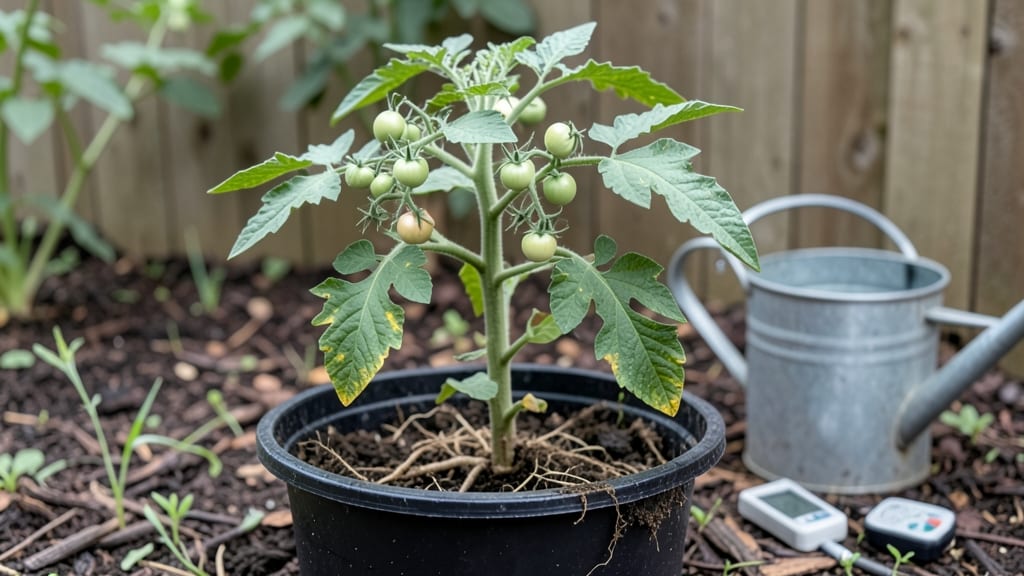
To water your garden correctly, you need to check soil moisture every 3-7 days—but timing depends on your plants, soil, and weather, not just a fixed schedule.
Overwatering or underwatering your 🌱 General Garden can spell disaster for your plants—yet most gardeners guess rather than measure. The truth? Watering frequency depends entirely on your soil type, climate, and plant needs.
In Zone 6a, spring planting means adjusting for rain, soil warmth, and young roots. A quick finger-check in the soil tells you more than a calendar ever could—here’s how to read the signs and water with precision.
Below, I’ll break down the science of soil moisture, seasonal shifts, and plant-specific needs so you can keep your garden thriving without a drop wasted.
Watering schedule by soil type: clay vs sandy vs loamy soil differences
Your garden's soil type is the single biggest factor in determining how often you need to water. Clay soil holds moisture like a sponge, while sandy soil drains faster than a sieve. Loamy soil strikes the perfect balance, making it the gold standard for most plants.
Understanding these differences lets you water smarter, not harder—saving both time and your plants from stress.
Let’s break down the key traits of each soil type and how they impact your watering routine. Clay soil feels sticky when wet and cracks when dry, while sandy soil crumbles easily and feels gritty. Loamy soil, on the other hand, is crumbly when dry and holds moisture without becoming soggy.
Knowing these textures helps you adjust your watering schedule before you even check your plants.
Here’s how to tell if your soil is clay, sandy, or loamy—and what that means for your watering frequency:
Clay soil (high moisture retention): Water deeply every 5-7 days in most climates, but check for saturation first. Sandy soil (fast-draining): Needs watering every 2-3 days to prevent drought stress. Loamy soil (balanced): Thrives with weekly watering, adjusting for seasonal changes. The key is always testing moisture levels with your finger or a moisture meter.
🌱
If you’re still unsure about your soil type, grab a handful and squeeze it. Clay soil will form a tight ball that holds its shape when dry, while sandy soil will crumble instantly. Loamy soil will hold a loose shape but break apart easily.
This quick test helps you adjust your watering routine without guesswork.
For clay-heavy gardens, focus on improving drainage with organic matter like compost or aged manure. This prevents waterlogging and root rot while still retaining enough moisture for thirsty plants like tomatoes or peppers.
In sandy soil, mulching with straw or wood chips slows moisture loss, giving roots time to absorb water between waterings.
Seasonal shifts also play a role. In summer heat, sandy soil may need daily watering, while clay soil might only require deep watering every 4-5 days.
Always check the top 1-2 inches of soil before watering—if it’s dry, it’s time to hydrate. If it’s still damp, hold off to avoid overwatering.
Pro tip: Use a moisture meter for precise readings, especially in container gardens where soil dries out faster. For in-ground plants, stick your finger 1-2 inches deep—if it feels dry, water thoroughly. If it’s cool and moist, your plants are happy with their current hydration.
💧
Remember, overwatering is just as harmful as underwatering. Yellowing leaves or mushy stems signal too much water, while wilting or dry soil cracks mean it’s time to hydrate. By tuning into your soil’s unique traits, you’ll create a watering routine that keeps your garden lush without wasting a drop.
Signs your garden needs water (and when to hold off)
Your plants communicate their needs through subtle cues—wilting leaves, dry soil, or yellowing foliage—but many gardeners ignore these signals. Instead, they rely on rigid watering schedules, which often lead to overwatering or underwatering.
The key is learning to read your garden’s unique language. For example, succulents and lavender thrive with minimal water, while tomatoes and peppers demand consistent moisture. Understanding these differences saves time, water, and struggling plants.
Before reaching for the hose, check the soil moisture by sticking your finger 1-2 inches deep. If it feels dry, most plants need water. However, clay soil holds moisture longer than sandy soil, so adjust accordingly.
Even mulch plays a role—it retains moisture near the roots, reducing how often you need to water. The mistake? Assuming all plants follow the same rule. Herbs like basil wilt quickly when thirsty, while roses can handle brief dry spells if established.
⚠️ callout warning
Many gardeners drown their plants by watering on a fixed schedule instead of checking soil moisture. Root rot from soggy soil is irreversible—look for mushy stems, yellow leaves, or a foul odor. Before watering, test with your finger or a moisture meter. If the top 1 inch is dry, water deeply. If it’s still damp, wait 2-3 more days.
Pro Tip: Morning watering (before 10 AM) reduces evaporation and fungal risks. Avoid evening watering—wet foliage at night invites blight.
Drought-resistant plants like aloe vera or sedum send clear signals when they need water—leaves pucker or curl inward. In contrast, moisture-loving plants such as hostas or ferns droop dramatically and recover quickly after drinking.
Pay attention to these differences: wilting in the heat is normal for some plants, but persistent wilting means they’re thirsty. For instance, my zucchini plants wilt by noon on hot days but perk up after a deep watering in the evening.
Seasonal changes also dictate watering needs. In summer, most gardens require deep watering 2-3 times per week, while spring and fall often need only weekly watering. Winter is the easiest—most plants enter dormancy and need minimal water, except in container gardens, which dry out faster.
Even rainfall affects your routine: a 1-inch rain can replace a week’s worth of watering for established perennials, but newly planted seedlings still need supplemental watering to establish roots.
Don’t forget to group plants by water needs. Place drought-tolerant plants like yucca or agave together and water-loving plants like impatiens or lettuce in another section. This zoning strategy ensures no plant gets neglected.
I’ve seen beginners overwater their shade garden (hostas, ferns) while letting their sun-loving tomatoes dry out—both mistakes lead to poor growth. A quick soil check before watering saves time and stress.
When in doubt, observe your garden’s natural rhythm. Healthy soil has earthworms and microbes that regulate moisture. If your garden feels lively and plants grow steadily, you’re on the right track. But if you notice crispy leaf edges or moldy soil, it’s time to reassess.
The goal isn’t perfection—it’s balance. With practice, you’ll recognize when your garden whispers, “I’m thirsty,” versus when it sighs, “I’ve had enough.” 🌱