
Advice
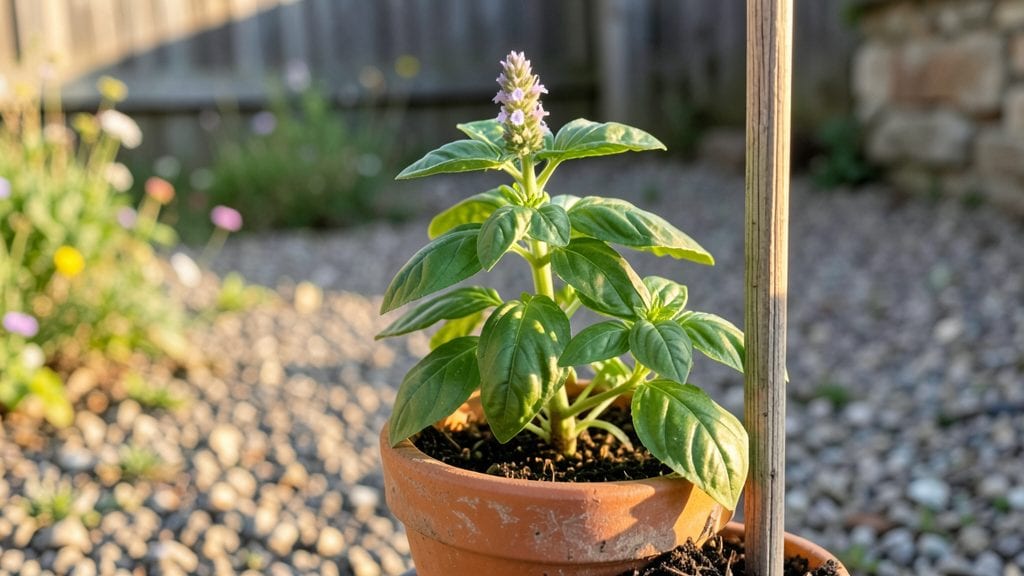
Herbs gardening thrives with fast-growing varieties like basil, cilantro, and parsley, which flourish in well-draining soil and partial sunlight. Start seeds indoors 4-6 weeks before the last frost or sow directly in warm soil for quick harvests, avoiding overwatering and crowded planting to prevent disease.
Fast-growing herbs like basil and cilantro are perfect for beginners because they mature quickly—often in just 4-6 weeks—giving you fresh flavors without waiting months. 🌱 The key is balancing moisture and sunlight: too much water drowns roots, while too little stunts growth.
I’ve found that using containers with drainage holes prevents soggy soil, which is especially critical for herbs prone to rot like mint. Plus, partial shade in hot afternoons keeps leaves from scorching while still delivering enough light for robust growth.
What’s interesting is how these herbs adapt to different spaces. Basil, for example, loves bright indirect light and thrives in pots on a sunny windowsill, while parsley does well in cooler, shadier spots.
This flexibility means you can grow them in backyard plots, raised beds, or even small containers on a balcony—no green thumb required!
💡 In This Article
- Fast-Growing Herbs for Beginners: Soil and Sunlight Needs
- Common Herbs Gardening Mistakes and How to Fix Them
Fast-growing herbs for beginners: soil and sunlight needs
Here's what's actually happening in your herb garden at the root level: fast-growing varieties like basil and dill develop fibrous root systems that spread horizontally, while chives and mint form deeper taproots.
This root structure explains why they thrive in loose, well-aerated soil—compacted soil restricts oxygen flow, causing roots to suffocate. The ideal pH range of 6.0-7.0 ensures nutrients like nitrogen and phosphorus become available, which herbs need for rapid leaf production. 🌱
Sunlight requirements vary dramatically between varieties. Basil, for example, demands 6-8 hours of direct sun daily to prevent leggy growth, while parsley and cilantro tolerate 3-4 hours of morning sun with afternoon shade.
The science behind this is photosynthesis efficiency: full-sun herbs like basil have higher chlorophyll content that converts sunlight to energy faster. Humidity also plays a role—dill and mint prefer 50-60% humidity, while basil can handle drier air if given consistent moisture.
Temperature affects germination rates dramatically. Seeds like basil and dill sprout best in soil temperatures between 70-80°F, while chives tolerate cooler 50-60°F soils. What most people don't realize is that nighttime temperatures matter too—herbs need a 10-15°F drop between day and night to develop proper flavor compounds.
This is why container gardens in microclimates often produce more aromatic herbs than in-ground plantings.
Moisture balance is where beginners typically struggle. Herbs like mint and basil need soil that stays consistently moist but never soggy—a balance achieved by watering at the soil level rather than overhead.
The key factor is the soil's moisture retention capacity: sandy soil drains too quickly, while clay holds too much water. Amending with 20-30% compost creates the perfect middle ground, holding moisture while allowing excess to drain.
Consider these variety-specific sunlight needs when planning your garden layout:
- Basil: Full sun (6-8 hours)—place in south-facing containers or garden beds
- Mint: Partial shade (3-4 hours)—ideal for east-facing spots or under dappled tree cover
- Chives: Moderate sun (4-6 hours)—tolerates morning sun with afternoon shade
- Dill: Full sun to partial shade (5-7 hours)—adapts well to both conditions
The most common mistake I see is assuming "more sunlight is always better"—this leads to scorched leaves and bitter flavors. For example, cilantro bolts (goes to seed) when exposed to more than 6 hours of direct sun during hot weather.
The solution? Use shade cloth or plant in partial shade to maintain tender leaves. 💫