
Pests
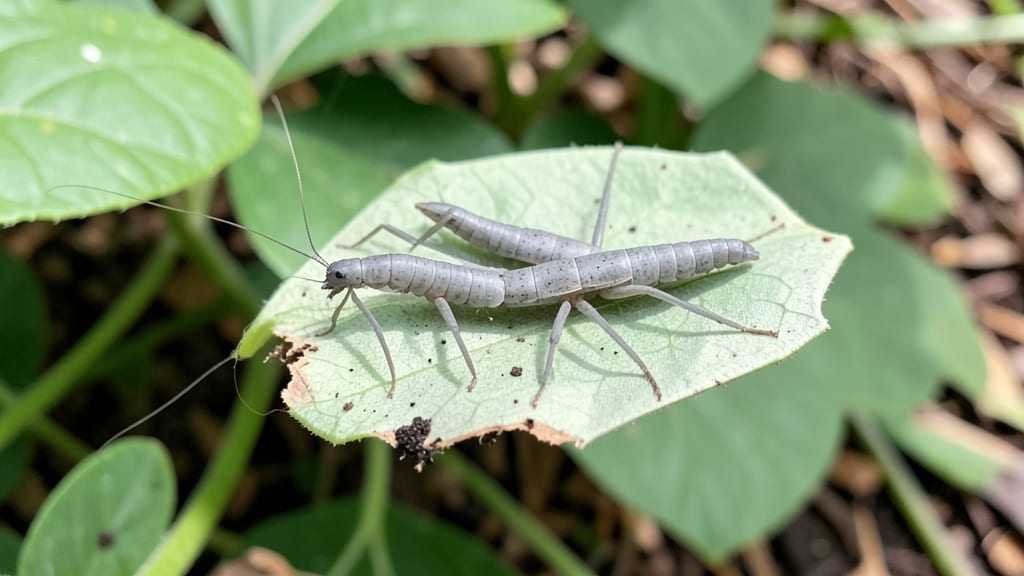
Finding grey worms wriggling in your garden soil isn’t just creepy—it’s a sign your soil is alive with natural pest control. 🌱 I’ve pulled these squiggly allies out of my own beds, and they’re actually doing more good than harm.
These could be cutworms, grubs, or other larvae that aerate soil while munching on roots, but they’re also a magnet for birds and beneficial insects.
The key is balance: too many grey worms mean hungry pests, but a few are part of a healthy ecosystem. I learned the hard way that dousing them with chemicals kills the good guys too.
Instead, I focus on organic soil aeration—like adding compost or using a fork to loosen compacted earth—while encouraging natural predators like toads and ground beetles to move in.
You’ll notice fewer chewed leaves and stronger plant roots within weeks. The worms break up hard soil, letting water and air reach roots, while their predators keep populations in check. This method works best in spring and fall, when worms are most active but plants can recover quickly.
If your garden looks like a buffet for pests, though, it’s time to call in reinforcements—like nematodes or milky spore. But first, try shaking out a handful of soil at dusk: if you see grey worms and their predators, you’re already winning the silent soil war.
Root Causes Of Worm Surges
Discovering grey worms wriggling through your garden soil can be unsettling, but these creatures—often Lumbricus terrestris (nightcrawlers) or Eisenia fetida (red wigglers)—are usually a sign of a thriving ecosystem. However, their sudden appearance (or overabundance) can stem from specific environmental triggers.
Below, we break down the most common reasons why grey worms invade or multiply in your garden, backed by science and actionable insights.
Grey worms thrive in moist but well-drained soil—neither soggy nor bone-dry. When conditions shift, they become more visible or migrate in search of ideal habitats.
- Overwatering:
Excess moisture suffocates soil microbes and creates anaerobic pockets, forcing worms to surface for air. This is especially common in clay-heavy soils where water pools. Pro Tip: 🌡️ Test moisture by squeezing a handful of soil—if water drips out, cut back on irrigation.
- Drought Stress:
Prolonged dry spells cause worms to burrow deeper or seek shelter in mulch or compost piles. They may also become more active at night to avoid surface heat. Solution: 💡 Apply a 2–3 inch layer of organic mulch (straw or wood chips) to retain moisture gradually.
- Poor Drainage:
Compacted or poorly amended soil traps water, creating "worm highways" as they escape saturated zones. This is why you might spot them after heavy rain. Fix It: Aerate soil with a garden fork or add coarse sand to improve drainage.
Worms are decomposers, and their numbers spike when food sources—like rotting leaves, grass clippings, or kitchen scraps—become abundant. However, too much organic matter can disrupt the balance.
- Fresh Compost Piles:
Hot compost heaps attract worms as they break down material, but if the pile is too rich in nitrogen (e.g., green waste like veggie peels), it can create an acidic environment they flee. Balance It: Mix compost with carbon-rich materials (dried leaves, shredded paper) in a 3:1 ratio.
- Decaying Plant Debris:
Leaving fallen leaves or dead plants in piles signals a worm buffet. While this feeds them, it can also invite pests like slugs. Action Step: 🔥 Chop debris into smaller pieces and spread it thinly over garden beds to distribute nutrients evenly.
- Kitchen Scraps Dumped Directly:
Fruits, citrus, or oily foods in the soil attract worms—but also rodents and flies. Smart Tip: Bury scraps 6+ inches deep or use a dedicated compost bin with a lid.
Worms are prey for birds, moles, shrews, and even some insects. When their predators vanish, worm populations can explode. Here’s why this happens:
- Reduced Bird Activity:
Birds like robins and thrushes feast on worms, but urbanization, pesticides, or lack of perches (like bare trees) drives them away. Invite Them Back: Install birdhouses or plant native shrubs to provide shelter.
- Pesticide Use:
Chemical pesticides don’t just kill pests—they also harm worms’ predators. This creates a vacuum where worms multiply unchecked. Switch To: 🌿 Neem oil or diatomaceous earth for targeted pest control.
- Habitat Fragmentation:
Lawns with no hedges or dense plantings offer fewer hiding spots for predators like toads or hedgehogs. Create Safe Zones: Leave patches of wildflowers or leaf litter for small creatures to thrive.
Worms are cold-blooded and become more active in specific temperature ranges. Sudden changes can trigger mass movements.
- Warm Springs or Falls:
As soil warms to 50–77°F (10–25°C), worms emerge to feed and reproduce. This is why you’ll see them after winter thaw or in early spring. Monitor: Use a soil thermometer to track trends.
- Frost Heave:
Freezing and thawing cycles push worms to the surface as ice expands in soil pores. Prevent Damage: Cover garden beds with straw mulch before the first frost to insulate roots.
- Urban Heat Islands:
Paved areas or dark mulch can raise soil temps by 10–15°F, making worms seek cooler, deeper layers. Cool It Down: Use reflective mulch or shade cloth in hot microclimates.
Understanding these triggers helps you manage worm populations naturally—without harming your garden’s health. Next, we’ll explore how to turn these "pests" into allies for soil aeration and pest control! 🐛✨
How to Fix Worm Issues Naturally
Unwanted grey worms in your garden can be frustrating, but with the right approach, you can restore balance without harsh chemicals. Below are targeted solutions based on the most common causes—whether it’s overwatering, poor drainage, or an overabundance of organic matter.
Each fix is designed to be simple, effective, and eco-friendly.
If grey worms (like enchytraeids) are thriving due to soggy soil, the first step is to improve drainage and reduce moisture levels.
🔥 Step 1: Test Your Soil’s Moisture Before acting, check if your soil is truly waterlogged. Stick your finger about 2 inches deep—if it feels damp for more than a few hours after watering, drainage is likely the issue.
🍳 Step 2: Amend the Soil Mix in coarse sand, perlite, or compost to break up compacted soil and improve airflow. A 50/50 blend of garden soil and organic matter (like coconut coir) works well for most plants.
👨🍳 Step 3: Adjust Watering Habits
- Water deeply but less frequently—aim for 1 inch per week (including rainfall).
- Use drip irrigation or soaker hoses to deliver water directly to roots, reducing surface runoff.
- Avoid watering in the evening to prevent prolonged moisture buildup.
⏰ Step 4: Mulch Strategically Apply a 2-3 inch layer of mulch (straw, wood chips, or shredded leaves) to retain moisture evenly while preventing water pooling. Keep mulch 6 inches away from plant stems to avoid fungal issues.
💡 Pro Tip: If your garden has clay soil, consider raising beds or planting in containers with well-draining mixes. This gives worms (and plants) a healthier environment.
Potted plants with grey worms often suffer from stagnant water. Here’s how to fix it:
🔪 Step 1: Check the Drainage Holes Ensure pots have multiple drainage holes at the bottom. If not, drill them or repot into containers with better airflow.
🥘 Step 2: Repot with Fresh Mix Dump out old soil and replace it with a fast-draining potting mix (e.g., 60% peat/compost, 30% perlite, 10% vermiculite). Add a 1-inch layer of gravel at the bottom for extra drainage.
🌡️ Step 3: Water Only When Needed Stick your finger in the soil—water only when the top 1-2 inches are dry. Overwatering is the #1 killer of container plants and encourages grey worm populations.
✨ Pro Tip: For heavy feeders like tomatoes or peppers, add orchid bark or worm castings to the mix—they improve aeration while feeding plants slowly.
If grey worms are feasting on decomposing leaves or mulch, reduce their food source and improve soil health.
🔥 Step 1: Remove Excess Mulch Rake away old, thick layers of mulch (especially if it’s rotting). Replace with fresh, coarse mulch (like pine straw or cedar chips) that decomposes slower.
🍳 Step 2: Balance Organic Inputs
- Too much? Reduce kitchen scraps or leaf litter in the soil.
- Too little? Add balanced compost (not fresh manure) to feed beneficial microbes.
- Best ratio: Aim for 1 part fresh organic matter to 3 parts mature compost in your soil.
👨🍳 Step 3: Encourage Beneficial Predators Grey worms are food for birds, frogs, and ground beetles. Attract them with:
- A small birdbath or shallow water source.
- Native plants (like marigolds or dill) to lure predators.
- Avoid pesticides—they kill both pests and their natural enemies.
💡 Pro Tip: If worms are in high numbers, spread a thin layer of diatomaceous earth (food-grade) around plants. It’s non-toxic but dehydrates soft-bodied pests like grey worms over time.
Once you’ve addressed the root cause, these habits will prevent grey worm overpopulation:
- Rotate crops annually to disrupt worm life cycles.
- Aerate soil twice a year with a garden fork to improve structure.
- Use row covers in early spring to block adult worms from laying eggs.
- Monitor moisture—never let soil stay soggy for more than 24 hours.
- Plant worm-resistant crops like onions, garlic, or chives—their strong scent deters many soil pests.
Final Note: Grey worms aren’t always harmful—they help break down organic matter. The key is balance. If your garden feels healthy (plants thrive, soil drains well), a few worms are just part of the ecosystem.
But if they’re causing damage, these fixes will restore harmony without chemicals. 🌿
Frequently asked questions
Are grey worms in my garden always harmful?
Not necessarily! Many grey worms like enchytraeids or cutworms are actually beneficial—they aerate soil and break down organic matter. The issue arises when their numbers explode, damaging roots or attracting predators. Focus on balance: a few worms are part of a healthy ecosystem, but swarms may signal overwatering or poor drainage.
How do I tell if grey worms are hurting my plants?
Look for these signs: chewed stems at soil level (cutworm damage), yellowing leaves (root feeding), or visible tunnels in soil. If plants appear stunted or wilt suddenly, grey worms may be the culprit. Dig up a small section of soil at dusk—if you find clusters of worms, it’s time to act.
What’s the fastest way to get rid of grey worms naturally?
Try these quick fixes: Spread diatomaceous earth (food-grade) around plants—it dehydrates worms in 24-48 hours. For immediate relief, handpick worms at night (they’re sluggish then) and relocate them to compost piles. Avoid chemicals—they harm beneficial insects too.
Can grey worms survive in containers or potted plants?
Yes! Overwatered pots create the perfect worm haven. Check for soggy soil and repot with a fast-draining mix (60% compost, 30% perlite, 10% vermiculite). Add gravel at the bottom to prevent waterlogging. Empty excess worms into a nearby garden bed—they’ll thrive there.
Will grey worms come back after treatment?
Possibly, but prevention works better than quick fixes. Fix drainage issues, reduce organic matter buildup, and attract predators (birds, frogs) with native plants. Rotate crops annually to disrupt worm life cycles. Consistent soil care keeps populations in check long-term.