
Companion Plants
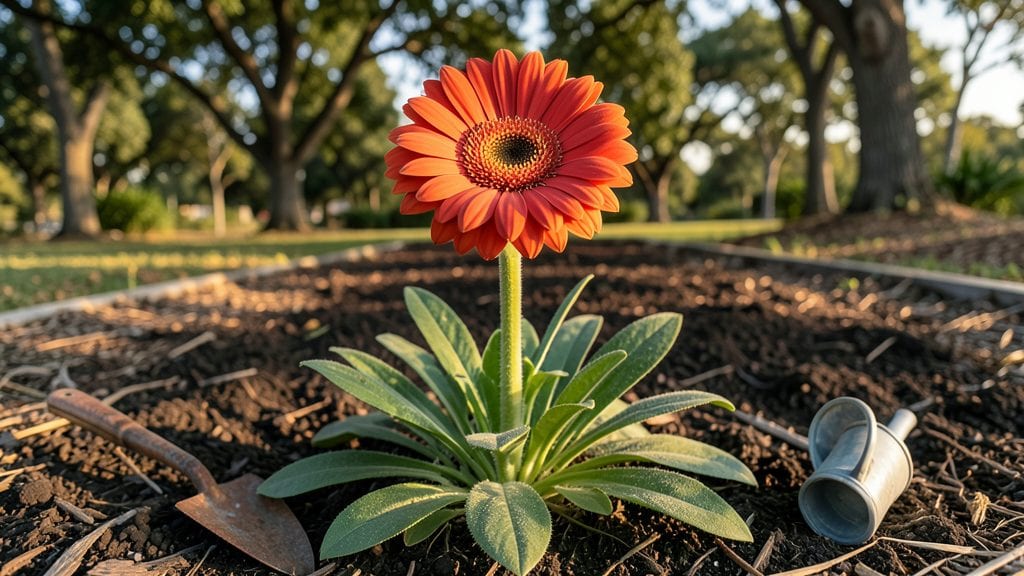
My gerbera garden plants burst with the kind of bold color that makes neighbors pause—those sun-drenched blooms that stay lively, even tucked into winter containers. 🌻 I’ve used them to transform dull garden corners into showstopping displays, and the trick isn’t just their... bold hues but how they pair with other plants to create showstopping combinations.
The key to making gerbera daisies shine lies in their placement and companions. Group them with tall grasses like fountain grass for movement, or nestle them among purple salvias for a striking contrast.
In containers, they play well with trailing plants like sweet potato vine, creating a spilling, lush effect that draws the eye. For pollinator gardens, pair them with black-eyed Susans—the bees adore both, and the color combo is electric.
What you’ll love most is how gerbera daisies hold their color even in partial shade, making them perfect for patios or under trees. Their cheerful faces lift any space, whether you’re going for a cottage-garden feel or a modern container display.
The best part? They thrive in pots, so you can move them to chase sunlight or create seasonal displays without digging.
Here’s the thing—gerbera daisies don’t just add color; they tell a story. Use them to frame entryways, brighten balconies, or create a "wow" moment in a mixed border. The possibilities are endless, and the results? Instantly more inviting. Let’s make your garden pop with them!
📚 In This Guide
- What you need
- Instructions
- Tips and common mistakes
- Wrapping up and next steps
What you need
- ● Gerbera daisy plants: Choose disease-resistant varieties (e.g., 'Teresa,' 'Maya'). Quantity: 3–5 plants per container (or 1 plant per 12" of garden space).
- ● Well-draining potting mix: Use a blend of peat moss, perlite, and compost (or a pre-mixed container garden soil). Quantity: 1–2 bags (10–15 qt) per 10–12" container.
- ○ Containers (optional but recommended): Plastic or terracotta pots (12"–18" diameter) with drainage holes.
- ● Fabric grow bags (for flexibility and aeration).
- ● Slow-release fertilizer: Look for a balanced 10-10-10 or 20-20-20 NPK blend (or organic options like fish emulsion). Quantity: 1–2 tbsp per plant.
- ● Garden trowel or small shovel (for transplanting).
- ● Watering can or hose with a gentle spray nozzle (gerberas hate soggy roots!).
- ● Pruning shears (for deadheading and shaping).
- ○ Mulch (optional): Straw or shredded bark to retain moisture and suppress weeds. Quantity: 1–2 inches spread around plants.
- ● Sunlight access: Full sun (6+ hours/day)—gerberas thrive in bright, indirect light.
Step-by-step instructions for planting gerbera daisies in containers
Here’s how to create vibrant, long-lasting gerbera displays in pots that thrive year-round.
🪴 Step 1: Select the Right Containers and Soil Mix
Gerbera daisies need well-draining soil and pots with drainage holes to prevent root rot. Choose 12-14 inch diameter containers for each plant—this gives roots room to spread while keeping the plant manageable. I use terra cotta pots because they wick away excess moisture, which gerberas hate sitting in.
Fill each container with a mix of 50% premium potting mix and 50% perlite or coarse sand. This blend ensures aeration while retaining enough moisture for their shallow roots. Avoid garden soil—it compacts and suffocates gerbera roots. Tap the pot gently after filling to settle the mix without compacting it.
🌱 Step 2: Plant Gerbera Tubers Correctly
Gerbera daisies grow from tubers, not seeds. Plant each tuber with its eyes (growth points) facing upward—this is critical for strong stems. Bury the tuber just ½ inch below the soil surface, no deeper. Press the soil lightly around it to secure it without crushing the delicate growth points.
Water immediately after planting to settle the soil and encourage root contact. Use room-temperature water to avoid shocking the tuber. Place the pot in a bright, indirect light spot for the first 7-10 days—this prevents leggy growth while roots establish.
☀️ Step 3: Provide Ideal Light and Temperature
Gerbera daisies crave full sun (6-8 hours daily) but tolerate partial shade in hot climates. Position pots where they receive morning sun and afternoon shade during peak summer months. If indoors, place near a south-facing window or under grow lights for 12-14 hours of light daily. You’ll see weak, pale stems if light is insufficient.
Maintain temperatures between 60-75°F—gerberas wilt in heat above 85°F and struggle below 55°F. A heat mat under containers in winter keeps roots warm. Watch for drooping leaves—this signals either underwatering or overheating.
💧 Step 4: Water and Fertilize for Continuous Blooms
Water gerberas when the top inch of soil feels dry—they’re drought-tolerant but won’t rebloom if stressed. Water at the base, avoiding leaves to prevent fungal spots. Use a self-watering pot in summer to maintain even moisture without soggy soil. Overwatering is the #1 killer of potted gerberas.
Feed every 4-6 weeks with a balanced liquid fertilizer (10-10-10) diluted to half strength. Stop fertilizing in late summer to encourage dormancy. Deadhead spent blooms by snipping stems ½ inch above the next set of leaves—this redirects energy to new flowers.
✂️ Step 5: Prune and Overwinter for Next Season
After the first frost, cut back wilting stems to 2 inches above the soil. Gerbera tubers go dormant in winter but need cool (50-60°F) but frost-free conditions. Reduce watering to once every 2-3 weeks until spring. Move pots to a garage or basement if temperatures drop below 45°F.
In early spring, resume watering and fertilizing as new growth appears. Divide tubers every 2-3 years by gently separating offsets. Repot in fresh mix to revive vigor. You’ll notice stronger blooms and fewer pests after this refresh.
Tips & tricks for perfect gerbera daisy containers
These insider strategies will help your gerbera daisies thrive in containers with vibrant blooms all year long.
Soil Texture is Everything: The 50/50 mix of premium potting soil and perlite isn't just about drainage—it's about creating the perfect air-to-moisture ratio gerberas crave. I like to sift the mix through a fine mesh screen before using it to eliminate any large particles that could disrupt root development. For extra insurance, add a thin layer of coarse sand at the bottom of each 12-14 inch container to create a natural drainage barrier that prevents soggy roots.
Light Positioning Secret: Those critical 6-8 hours of sunlight need to be strategic. Place your containers where they receive morning sun (when temperatures are cooler) and afternoon shade (to prevent heat stress above 85°F). I've found that positioning pots slightly elevated on plant saucers improves airflow around the base, which helps maintain that perfect 60-75°F temperature range gerberas prefer. Rotate containers weekly to ensure even growth all around.
Watering Wisdom: The "top inch dry" rule works, but here's the real trick: water deeply until it runs freely from the drainage holes. This ensures the entire root zone gets hydrated without creating waterlogged conditions. I use a moisture meter in summer to verify when the top inch is truly dry—it's amazing how often our perception of soil dryness differs from reality. For containers without drainage holes, reduce watering frequency by 30% and monitor closely for signs of overwatering like yellowing leaves.
Winter Survival Strategy: When temperatures drop below 55°F, move containers to a sheltered location that maintains 50-60°F. I've had great success using insulated plant trays under terra cotta pots—they help regulate temperature swings. During dormancy, reduce watering to every 2-3 weeks and stop fertilizing entirely. The key is to mimic natural winter conditions without letting tubers freeze, which happens below 45°F.
Pro Tips for Gerbera Garden Plants
- These insider strategies will help your gerbera daisies thrive in containers with vibrant blooms all year long.
- Soil Texture is Everything: The 50/50 mix of premium potting soil and perlite isn't just about drainage—it's about creating the perfect air-to-moisture ratio gerberas crave.
- Light Positioning Secret: Those critical 6-8 hours of sunlight need to be strategic.
Frequently asked questions
Got questions about growing gerbera garden plants? You’re not alone! Here are some of the most common queries—plus quick, practical answers to keep your blooms thriving.
How often should I water gerbera daisies in containers?
Gerberas love consistent moisture but hate soggy roots. Water when the top 1–2 inches of soil feel dry (usually every 2–3 days in summer, less in winter). Use well-draining soil and containers with drainage holes to prevent root rot. Pro tip: Water at the base to avoid wetting the petals, which can cause disease.
Can gerbera daisies survive winter in containers?
Most gerberas are tender perennials and won’t tolerate frost. If you live in a cold climate, move potted gerberas to a sheltered spot (like a garage or under eaves) before temps drop below 30°F. Alternatively, treat them as annuals and replant in spring. For year-round color, opt for hardier varieties or grow them indoors near bright windows.
Why are my gerbera leaves turning yellow?
Yellow leaves usually signal overwatering or nutrient deficiencies. Check the soil—if it’s soggy, reduce watering. If the yellowing is paired with brown edges, your plant might need more iron or magnesium. Feed with a balanced liquid fertilizer every 4–6 weeks during growing season. Bonus fix: Flush the soil with water to remove excess salts!
What companion plants pair well with gerberas in containers?
Gerberas thrive with low-competition companions that love similar conditions. Try:
Yes! Gerberas crave 6+ hours of direct sunlight daily for vibrant blooms. In hot climates, provide afternoon shade to prevent wilting. If growing indoors, place near a south- or west-facing window. Watch for: Leggy stems or sparse flowers? More light is likely the fix!
Avoid planting with mint or invasive ground covers, which can smother gerberas.
Do gerbera daisies need full sun?
Wrapping up and next steps
Transforming your space with gerbera garden plants is simpler than you think! These vibrant blooms bring year-round color to containers, requiring just the right balance of sunlight, soil, and care.
Whether you’re a gardening pro or a beginner, gerberas reward effort with stunning, cheerful flowers that brighten any patio or balcony.
Ready to dive in? Start small—pick a sunny spot, grab your gerberas, and enjoy the process! 🌸 Your garden’s next masterpiece is just a pot away.