
Tools
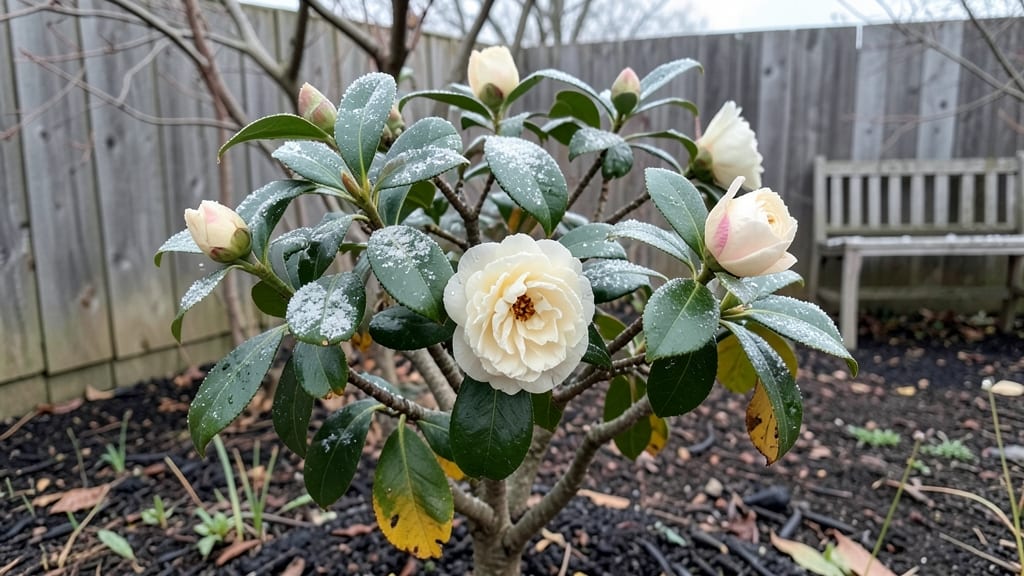
A Georgia winter garden flourishes in USDA zones 7-9 by focusing on frost-resistant crops like kale, spinach, and carrots, while using protective covers to shield plants from temperatures down to 20°F. For best results, begin sowing seeds indoors 6-8 weeks before the last frost date.
A Georgia winter garden turns the cold season into a productive one by selecting plants that thrive in cooler temperatures. 🌱 The key is choosing varieties like broccoli, Brussels sprouts, and radishes—these hardy crops can handle light frosts and even improve in flavor after exposure.
Soil temperature plays a critical role, so aim for planting when the ground reaches at least 45°F for optimal germination.
Starting seeds indoors gives them a head start, especially in zones with earlier frosts. This method ensures your garden is ready to harvest before spring arrives, maximizing your yield. The right timing and protective measures make all the difference between a struggling winter garden and one that thrives.
💡 In This Article
- Georgia’s Best Cool-Season Vegetables for Winter Gardens
- Protecting Georgia Winter Gardens from Frost and Pests
Georgia’s best cool-season vegetables for winter gardens
The hardiest winter vegetables for Georgia gardens are those that not only tolerate frost but actually improve in flavor after a light freeze. Broccoli, for example, can handle temperatures down to 25°F and develops sweeter florets when exposed to 20-25°F nights.
Brussels sprouts are equally resilient, thriving in 30-50°F soil temperatures and even becoming more tender after frost. Radishes mature in just 25-30 days, making them perfect for quick harvests before winter sets in fully.
Soil temperature is the critical factor determining germination and early growth. Most cool-season crops need soil at least 45°F to sprout consistently. In zone 7a (colder winters), aim to plant by October 15 for fall crops, while zone 9a (warmer winters) can extend planting until November 15.
Sunlight requirements vary too: leafy greens like spinach need 4-6 hours of sunlight daily, while root vegetables like carrots prefer 6-8 hours for optimal development.
Here’s a zone-specific planting schedule for key crops: In zone 7b, sow broccoli seeds 8-10 weeks before first frost (typically by September 15), while zone 8a gardeners can plant until October 30.
For Brussels sprouts, zone 7a should start seeds indoors by July 15 and transplant by August 15, whereas zone 9a can direct-sow until September 30. Radishes, being fast-growing, can be sown every 2-3 weeks until November 1 in all zones.
The science behind these timing windows involves photoperiod sensitivity. Many cool-season crops detect shorter daylight hours (below 12 hours) as a signal to bolt or go dormant. By planting at the right time, you ensure they focus energy on root or leaf development rather than flowering.
For instance, kale continues growing until 15°F because its leaves contain high levels of antioxidants that protect cellular structures from cold damage.
One often-overlooked detail is how mulching affects soil temperature. A 3-inch layer of straw or shredded leaves can keep soil 5-10°F warmer than unmulched beds, extending the growing season by 2-3 weeks.
This is especially valuable in zone 7a, where sudden cold snaps can halt growth. The mulch also prevents soil from freezing solid, which would kill emerging seedlings.
For visual appeal and texture contrast, consider mixing purple-stemmed kale (with its deep burgundy leaves) alongside white radishes and green onions.
The color variation makes winter harvests feel festive while providing a nutrient-dense mix of vitamins A, C, and K. The crisp snap of fresh radishes and the slightly bitter, earthy flavor of kale create a sensory experience that makes winter gardening rewarding.