
Tools
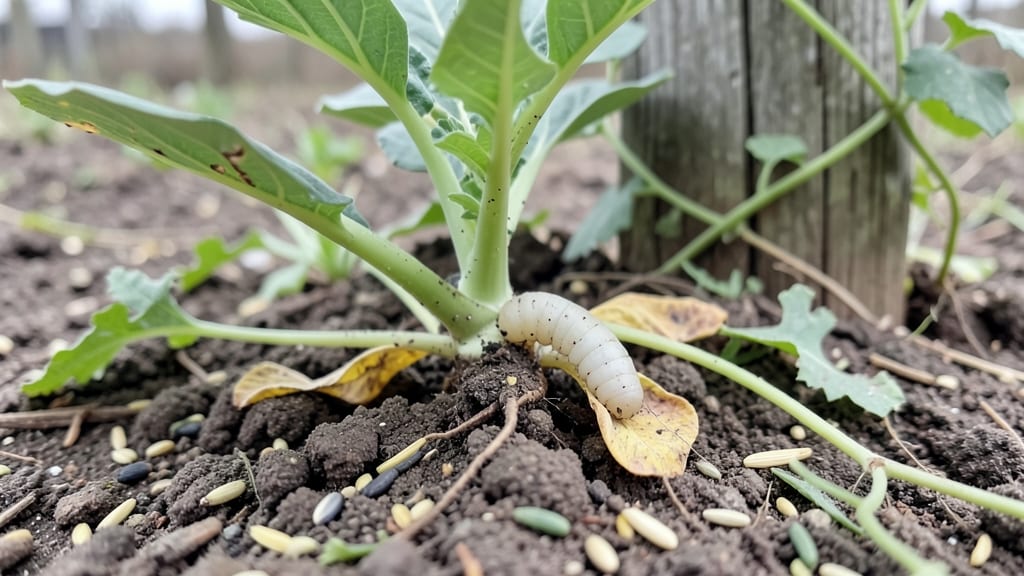
Mastering garden pest id early can turn your garden from a battleground to a thriving sanctuary—before those tiny invaders wreck your plants. 🌱 I’ve spent years tracking down chewed leaves, wilting stems, and mysterious holes—only to realize it was something small but devastating.
The key is knowing what to look for: the size, shape, and damage patterns of each pest.
This guide covers the most common culprits—aphids, slugs, Japanese beetles, and more—with clear descriptions of their damage. You’ll learn to tell the difference between a harmless spider and a destructive caterpillar just by examining the leaves. No guesswork, just straightforward identification.
Once you recognize the pest, you’ll know exactly how to act—whether it’s a simple spray, a barrier trick, or inviting natural predators into your garden. The goal isn’t to eliminate everything (some pests are harmless!) but to protect what matters most: your plants.
Perfect for gardeners who want to act fast without harsh chemicals. Let’s get you identifying—and defeating—those troublemakers for good.
Root Causes of Garden Pests
Unwanted critters in your garden aren’t just random visitors—they’re drawn by specific conditions that make your outdoor space an all-you-can-eat buffet. Understanding why pests invade helps you tackle the problem at its source.
Below, we break down the key factors that turn your garden into a pest paradise, along with the science behind their behavior.
Pests thrive where plants are stressed, whether from poor spacing, disease, or nutrient deficiencies. Overcrowded gardens create high humidity and limited airflow, both of which encourage fungal diseases (like powdery mildew) and attract pests that feed on weakened foliage.
- Why it happens:
- Competition for resources: Plants in tight quarters struggle to absorb water and nutrients, making them more susceptible to aphids, spider mites, and whiteflies—pests that target stressed leaves.
- Moisture buildup: Dense foliage traps dew and rainwater, creating ideal conditions for slugs, snails, and fungal-loving pests like Botrytis (gray mold).
- Actionable fix:
- Space plants according to their mature size (check seed packets for guidelines).
- Prune regularly to improve airflow, especially in hostas, roses, and tomatoes—common targets for pests.
- Mulch properly (2–4 inches) to retain moisture without smothering roots.
Leaves, fallen fruit, and plant waste aren’t just eyesores—they’re pest magnets. Organic debris provides shelter, food, and breeding grounds for insects and rodents. For example, a single overripe tomato left on the soil can attract 20+ fruit flies in 24 hours.
- Why it happens:
- Food availability: Pests like earwigs, cutworms, and rodents scavenge decaying matter. Even "clean" gardens with mulch or grass clippings can harbor hidden pests.
- Hibernation sites: Overwintering pests (e.g., Japanese beetles, aphids) hide in leaf litter, emerging in spring to feast on new growth.
- Disease vectors: Fungal spores and bacterial pathogens thrive in damp debris, attracting pests that spread them (e.g., slugs with Phytophthora root rot).
- Actionable fix:
- Remove plant waste weekly, especially after pruning or harvest. Compost away from the garden.
- Rake up fallen leaves in autumn—many pests (like boxwood mites) overwinter in them.
- Use barrier mulch (e.g., gravel or straw) to deter burrowing pests like grubs.
Too much or too little water creates the perfect storm for pests. While drought-stressed plants attract some insects, overwatering is a bigger culprit—it softens plant tissues, making them easier to chew, and creates soggy soil that pests love.
| Pest Type | Why Watering Causes Them | Solution |
|---|---|---|
| Slugs & Snails | Moist soil and overnight dew create ideal conditions for their mucus trails. They avoid dry areas. | Water deeply but infrequently (early morning) and use drought-tolerant plants (e.g., lavender, rosemary). |
| Fungal Pests (e.g., powdery mildew, black spot) | Excess moisture on leaves triggers fungal spores, which attract thrips and mites that feed on infected tissue. | Avoid overhead watering; use drip irrigation or soaker hoses. |
| Root-Feeding Beetles (e.g., Japanese beetle grubs) | Waterlogged soil reduces beneficial nematodes and fungi that prey on grubs. | Improve drainage with sand or compost; test soil pH (grubs thrive in acidic soil). |
Pro Tip: 🌡️ Use a moisture meter to check soil—most pests prefer 60–80% humidity in the root zone. Aim for 40–60% to deter them.
Planting the same species in large blocks (e.g., a whole row of zucchini) is like hanging a "Welcome" sign for pests. Many insects are host-specific, meaning they’ve evolved to target one or two plant types.
For example, cabbage worms will ignore your marigolds but devour every kale leaf in sight.
- Why it happens:
- Easy access to food: Pests like aphids or colorado potato beetles can strip an entire monoculture field in days.
- Reduced predator diversity: Monocultures support fewer beneficial insects (e.g., ladybugs, lacewings), which keep pests in check.
- Disease spread: Cloned plants (e.g., roses or blueberries) have identical genetic weaknesses, making them vulnerable to pests like Japanese beetles.
- Actionable fix:
- Use intercropping: Plant pest-repelling companions (e.g., basil with tomatoes, nasturtiums with squash).
- Rotate crops annually to disrupt pest life cycles.
- Add pollinator-friendly plants (e.g., dill, fennel) to attract natural predators.
Key Takeaway: Pests don’t choose gardens randomly—they’re responding to environmental cues you control. By addressing overcrowding, debris, watering habits, and plant diversity, you remove the "invite" and make your garden less appealing to unwanted guests.
Practical Fixes for Common Garden Pests
Now that you’ve identified the culprits wreaking havoc in your garden, it’s time to tackle them head-on! Below are targeted solutions for the most common pests, organized by cause and paired with easy-to-follow fixes.
Whether you’re dealing with chewed leaves, wilting plants, or mysterious holes, these strategies will help you restore balance—without resorting to harsh chemicals.
Cause: These pests munch on leaves, stems, and roots, leaving ragged edges or skeletonized foliage. Fix:
- Handpick & Drop: 🔥 Early morning is the best time to spot slugs and caterpillars. Drop them into soapy water or a bucket of vinegar.
- Neem Oil Spray: 🍳 Mix 1 tsp neem oil + 1 tsp mild soap + 1 quart water in a spray bottle. Apply to affected areas (especially undersides of leaves).
- Row Covers: 🛡️ Use floating row covers to block beetles and moths from laying eggs on young plants.
- Beneficial Nematodes: 🐛 For grubs, apply beneficial nematodes (like Heterorhabditis bacteriophora) to the soil. Water thoroughly after application.
Prevention Tips: ✔ Interplant with repellents like basil, marigolds, or nasturtiums. ✔ Remove debris where pests hide (e.g., old leaves, mulch piles). ✔ Rotate crops annually to disrupt pest life cycles.
Cause: These tiny invaders pierce plant cells, causing yellowing, sticky residue ("honeydew"), and weakened growth. Fix:
- Blast Them Off: 💦 Use a strong stream of water from a hose to dislodge aphids and whiteflies.
- Insecticidal Soap: 🧼 Mix 2.5 tbsp castile soap + 1 quart water in a sprayer. Test on a small leaf first—some plants (like succulents) are sensitive.
- Sticky Traps: 🕷️ Place yellow sticky cards near affected plants to catch whiteflies and fungus gnats.
- Introduce Predators: 🐞 Ladybugs, lacewings, and parasitic wasps love aphids. Buy them online or attract them with dill or fennel in your garden.
Prevention Tips: ✔ Encourage airflow by pruning overcrowded plants. ✔ Wipe leaves with a damp cloth to remove eggs. ✔ Avoid over-fertilizing—soft, nitrogen-rich growth attracts sap-suckers.
Cause: These nocturnal nibblers leave silver slime trails and irregular holes in leaves or stems. Fix:
- Beer Traps: 🍺 Bury a shallow dish filled with beer at soil level. Slugs crawl in and drown—replace every few days.
- Copper Barriers: ⚡ Install copper tape around pots or garden beds. The electric shock (from their slime) deters them.
- Diatomaceous Earth (DE): 🏖️ Sprinkle food-grade DE around plants. It’s non-toxic but deadly to slugs (reapply after rain).
- Crushed Eggshells: 🥚 Scatter around plants as a physical barrier—slugs hate the texture.
Prevention Tips: ✔ Water in the morning so slugs retreat to hide during the day. ✔ Remove hiding spots like boards, rocks, or dense mulch. ✔ Plant slug-resistant crops like rosemary, thyme, or geraniums.
Cause: Often linked to overwatering, poor airflow, or contaminated tools, fungi thrive in damp conditions. Fix:
- Baking Soda Spray: 🧂 Mix 1 tsp baking soda + 1 quart water + a few drops of soap. Spray every 7–10 days for powdery mildew.
- Neem Oil Fungicide: 🌿 Use the same neem oil recipe as above, but add 1 tsp hydrogen peroxide for extra antifungal power.
- Prune & Space Plants: ✂️ Remove infected leaves immediately and dispose of them in the trash (not compost). Thin out plants for better airflow.
- Copper Fungicide: 🛡️ Apply copper-based sprays (like Bordeaux mixture) for blight-prone plants like tomatoes.
Prevention Tips: ✔ Water at the base (not overhead) to keep foliage dry. ✔ Sterilize tools with rubbing alcohol between uses. ✔ Rotate crops to prevent soil-borne diseases.
The best defense? A healthy garden ecosystem!
Here’s how to outsmart pests before they strike: - Diverse Planting: 🌿 Mix companion plants (e.g., basil with tomatoes, carrots with onions) to confuse pests. - Healthy Soil: 🌱 Use compost and organic matter to boost plant resilience. - Natural Repellents: 🌿 Plant garlic, chives, or lavender near vulnerable crops. - Regular Scouting: 👀 Check plants weekly (especially undersides of leaves) to catch infestations early.
Pro Tip: 💡 Start small—pick one pest problem to tackle first, then expand your strategy. Over time, your garden will become a self-regulating paradise!
Frequently asked questions
How do I tell the difference between aphids and spider mites?
Aphids are tiny, pear-shaped insects that cluster on new growth and leave sticky honeydew. Spider mites are even smaller (barely visible) and create fine webbing between leaves. Check undersides of leaves—aphids are obvious, while mites require a magnifying glass to spot their red or yellow specks.
What should I do if I find holes in my leaves but no pests?
Start by checking the soil—grubs or cutworms often hide beneath plants during the day. Look for chewed stems at ground level or tiny black droppings. If no pests are found, the damage might be from hail, birds, or even deer browsing. Examine nearby plants for similar signs.
Are all slugs bad for my garden?
Not necessarily! Some slugs (like the leopard slug) are harmless or even beneficial by eating decaying matter. The destructive ones leave shiny slime trails and ragged holes in leaves. Focus on controlling only the pests—use beer traps or copper barriers near vulnerable plants like lettuce or hostas.
How often should I inspect my garden for pests?
Check your plants weekly during growing season, focusing on undersides of leaves and new growth. Early detection is key! For high-value crops (like tomatoes or peppers), inspect every 3-4 days. Morning is best—pests are sluggish when temperatures are cooler.
Can I use coffee grounds to repel pests?
Yes, but with caution! Coffee grounds deter slugs and some insects when sprinkled around plants, but they can also attract ants and raise soil acidity. Use sparingly (1-2 tbsp per plant) and compost the used grounds. For best results, mix with diatomaceous earth for a double barrier.