
Vegetables
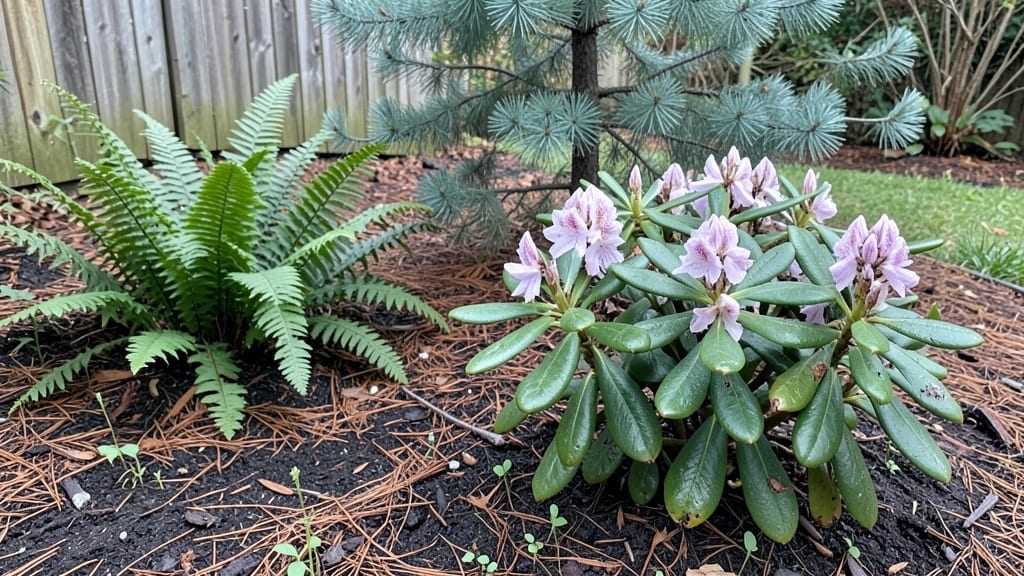
Victoria BC’s gardens prove you can have vibrant blooms and thriving veggies even when rain feels like a year-round guest. ✨ The Pacific Northwest’s mild winters and damp summers create a canvas for layered planting that most gardens can’t match—think roses climbing over arbors in spring, blackberries fruiting in summer, and evergreens providing structure through frost.
Here’s how to borrow those tricks for your own space, no matter how small.
The secret isn’t fancy plants—it’s smart layering. Start with a 6-inch base of compost to feed roots, then add 3-4 inches of mulch to lock in moisture (critical in Victoria’s wetter months).
Mix in dwarf conifers or ornamental grasses for winter interest, then top with climbing roses or clematis that bloom from early summer until frost. Even a balcony can work with containers stacked at different heights—herbs at the top, lettuce in the middle, and radishes below.
You’ll end up with a garden that looks lush in every season: fragrant lavender in June, golden apples in September, and holly berries for winter color. The best part? These layers reduce weeds, retain moisture, and give pollinators a buffet from spring to fall.
Plus, the same principles work for cutting gardens, edible landscapes, or even a single raised bed.
Victoria’s gardens thrive because they work with the climate, not against it. That’s the lesson to take home—whether you’re mimicking Butchart’s famous borders or just adding a few evergreens to your front yard.
Start small, observe what survives best in your microclimate, and build from there. The Pacific Northwest’s gardening magic isn’t about perfection; it’s about resilience.
📚 In This Guide
- What you need
- Instructions
- Tips and common mistakes
- Wrapping up and next steps
What you need
- ● Soil: 10–15 cubic yards of well-draining, organic-rich soil (mix compost, peat moss, and perlite for ideal texture). Victoria’s clay-heavy soil often needs amendment!
- ● Compost: 2–3 cubic yards of finished compost (homemade or store-bought) to boost fertility.
- ● Mulch: 5–10 bags of wood chips or straw mulch (3–4 inches deep) to retain moisture and suppress weeds.
- ● Plants: Perennials (for structure): 3–5 Pacific Northwest natives like salal, sword fern, or Oregon grape.
- ● Vegetables (seasonal): 10–15 cold-hardy varieties (e.g., kale, carrots, Brussels sprouts) + 5–10 warm-season picks (tomatoes, peppers) for summer.
- ● Flowers: 5–10 pollinator-friendly plants (e.g., lavender, coneflowers, or Victoria’s iconic Dogwood for shade).
- ● Hand Tools: 1 broadfork (for aerating clay soil).
- ● 1 garden trowel and 1 transplant spade.
- ● 1 pruners (bypass for clean cuts).
- ○ Power Tools (Optional): 1 rototiller (for large areas) or broadfork (manual alternative).
- ● 1 wheelbarrow (for hauling soil/compost).
- ● Watering: 1 soaker hose or drip irrigation system (Victoria’s damp winters need efficient drainage!).
- ● Location: Full sun (6+ hours/day) for veggies; partial shade (3–6 hours) for perennials. Test with a sun/light calculator if unsure!
- ● Permits: Check with City of Victoria for bylaws (e.g., height restrictions for fences or large plants).
- ● Climate Prep: Plan for microclimates—Victoria’s coastal areas stay milder, while inland spots may need frost protection (e.g., frost cloth for late springs).
Step-by-Step guide to designing a Pacific Northwest year-round garden
Victoria’s mild climate lets you grow lush gardens all year—here’s how to layer plants for four-season beauty.
🌿 Step 1: Plan Your Layered Structure
Start by sketching four distinct layers: tall trees (15-25 ft), shrubs (5-10 ft), perennials (2-3 ft), and ground covers (under 1 ft). I always begin with the tallest elements because they anchor the design and provide year-round structure. In Victoria, evergreen conifers like Thuja plicata (Western Red Cedar) or Tsuga heterophylla (Western Hemlock) work beautifully for vertical interest.
Next, place deciduous trees like Acer japonicum (Full Moon Maple) for autumn color and winter skeleton branches. These trees create a dynamic framework that changes with the seasons. I like to position them where they’ll cast dappled shade in summer while allowing winter sun to filter through their bare branches.
☀️ Step 2: Select Climate-Adapted Perennials
For the middle layer, focus on perennials that thrive in Victoria’s USDA Zone 7b-8a and tolerate the region’s mild, wet winters. I always include Heuchera (Coral Bells) for foliage interest, Astilbe for summer plumes, and Hosta for shade tolerance. These plants provide continuous blooms from spring to fall and often persist through winter with protective mulch.
Add native Pacific Northwest plants like Symphoricarpos albus (Snowberry) or Mahonia aquifolium (Oregon Grape) for low-maintenance reliability. These species support local pollinators while requiring minimal intervention. I space them 18-24 inches apart to allow airflow and reduce fungal diseases common in Victoria’s damp climate.
✂️ Step 3: Incorporate Seasonal Interest
Layer winter interest by including evergreen ferns like Polystichum munitum (Sword Fern) and ornamental grasses such as Carex oshimensis (Oshima Sedge). These plants stay green year-round and add texture to the garden. I also plant Helleborus niger (Christmas Rose) for early winter blooms that brighten the garden when little else is in flower.
For spring, incorporate crocuses and daffodils that naturalize over time, followed by peony and irises for mid-season color. In summer, hydrangeas and shasta daisies extend the blooming season, while sedum and heuchera provide late-season interest. I always group plants with similar water needs together to simplify maintenance.
🪴 Step 4: Add Textural Contrast with Ground Covers
Use low-growing evergreens like Vinca minor (Periwinkle) or Ajuga reptans (Bugleweed) to cover bare soil and suppress weeds. These plants thrive in Victoria’s climate and provide year-round greenery even in shaded areas. I plant them in 3-foot-wide swaths to create a cohesive ground layer without overwhelming the taller plants.
For sunny spots, Sedum varieties like Sedum spurium (Dragon’s Blood) add vibrant color and drought tolerance. In shadier areas, Lamium galeobdolon (Yellow Archangel) spreads gently and provides early spring blooms. I always mulch these ground covers with 3 inches of shredded bark to retain moisture and regulate soil temperature.
💧 Step 5: Implement Water-Efficient Irrigation
Install a drip irrigation system with soaker hoses to deliver water directly to the root zones of your plants. This method reduces water waste and ensures even moisture distribution, which is critical in Victoria’s mild but unpredictable rainfall. I set the system to run early in the morning to minimize evaporation and fungal diseases.
Group plants with similar water needs together—drought-tolerant species like lavender and Russian sage on one side, and moisture-loving plants like hostas and ferns on another. Mulch heavily (3-4 inches) to retain soil moisture and regulate temperature. This approach cuts water usage by at least 40% while keeping your garden thriving.
Tips & tricks for perfect year-round Pacific Northwest gardens
Creating a garden that thrives through Victoria's unique climate takes thoughtful planning—and these key strategies will help you avoid common pitfalls while maximizing beauty year after year.
Layering for Height and Seasonal Flow: When planning your four distinct layers (tall trees, shrubs, perennials, and ground covers), remember that the tallest elements should be placed first—they create the structural backbone of your design. In Step 1, I recommend starting with evergreen conifers like Thuja plicata or Tsuga heterophylla because their vertical presence provides winter structure when deciduous trees lose their leaves. For the shrub layer, consider Acer japonicum not just for its autumn foliage but also for its winter skeleton branches that add architectural interest when everything else is dormant.
Climate-Specific Plant Selection: Victoria's mild but damp winters mean you need plants that tolerate both moisture and occasional cold snaps. In Step 2, the recommended spacing of 18-24 inches apart for perennials like Heuchera and Symphoricarpos albus isn't just about aesthetics—it's about airflow. This spacing prevents fungal diseases that thrive in Victoria's humid climate. For the ground cover layer in Step 4, I always recommend 3-foot-wide swaths of Vinca minor or Ajuga reptans because this creates a cohesive look while allowing each plant enough space to establish without competing for resources.
Seasonal Interest Planning: The real magic happens when you layer plants that provide interest across all seasons. In Step 3, including Helleborus niger for winter blooms and Hydrangeas for summer color creates a continuous visual narrative. Here's what I learned the hard way: don't just focus on summer blooms—Victoria's winter garden can be just as stunning with proper planning. The 3 inches of shredded bark mulch mentioned in Step 4 isn't just for moisture retention; it also protects winter-blooming plants from temperature fluctuations.
Water Efficiency Without Sacrifice: Victoria's unpredictable rainfall makes efficient irrigation critical. The drip system with soaker hoses in Step 5 isn't just about saving water—it's about delivering moisture exactly where plants need it. I've seen gardens where surface watering created fungal issues because water pooled on leaves. Early morning watering, as recommended, also prevents evaporation and gives plants time to absorb moisture before the day's heat. The 3-4 inches of mulch recommendation goes beyond moisture retention—it helps regulate soil temperature, which is particularly important for Victoria's cool summers and mild winters.
Pro Tips for Gardens Of Victoria Bc
- Creating a garden that thrives through Victoria's unique climate takes thoughtful planning—and these key strategies will help you avoid common pitfalls while maximizing beauty year after year.
- In Step 1, I recommend starting with evergreen conifers like Thuja plicata or Tsuga heterophylla because their vertical presence provides winter structure when deciduous trees lose their leaves.
- Climate-Specific Plant Selection: Victoria's mild but damp winters mean you need plants that tolerate both moisture and occasional cold snaps.
Frequently asked questions
Exploring Victoria’s gardens can spark curiosity—especially when planning your own lush, year-round space! Here are answers to common questions about thriving gardens in the Pacific Northwest climate.
What’s the best time to plant vegetables in Victoria’s climate?
Victoria’s mild, maritime climate means you can plant most vegetables from late March to early May (spring) and again in late August to early September (fall). Cool-season crops like kale, spinach, and peas thrive in early spring or late summer. Wait until soil warms (above 10°C/50°F) for heat-lovers like tomatoes and peppers—usually June.
How often should I water my garden in Victoria’s rainy climate?
Victoria’s frequent rain can be a blessing, but overwatering is just as harmful as underwatering. Aim for 1–2 inches of water per week, including rainfall. Use a rain gauge or tuna can to measure. Mulch (straw, wood chips) retains moisture and reduces evaporation. Tip: Water deeply 2–3 times a week in dry spells, focusing on soil—not leaves—to prevent fungal diseases.
Which vegetables grow best year-round in Victoria?
Victoria’s temperate climate supports cool-season staples like lettuce, carrots, and broccoli year-round with row covers or cold frames. Warm-season crops (tomatoes, peppers) thrive in summer but may need greenhouse protection in winter. Herbs like parsley and chives are hardy and grow well in all seasons. For winter harvests, try kale, Brussels sprouts, and overwintered onions.
How do I deal with pests like slugs and aphids in Victoria’s gardens?
Slugs and aphids are common in Victoria’s damp climate, but natural remedies work best. Slugs: Set out beer traps (bury a container filled with beer) or use copper tape around beds. Aphids: Blast them off with water, introduce ladybugs, or spray soapy water (1 tsp mild soap per liter). Pro tip: Plant garlic, chives, or marigolds as pest-repelling companions!
Can I grow a vegetable garden in a small urban Victoria space?
Victoria’s urban gardeners thrive with container gardening, vertical planters, or raised beds. Choose compact varieties like bush beans, cherry tomatoes, or dwarf peppers. Maximize space with trellises for peas/cucumbers and square-foot gardening techniques. Even a sunny balcony or patio can yield herbs, lettuce, and microgreens!
What should I do to prepare my garden for Victoria’s winter?
Victoria’s winters are mild but wet—take steps to protect your soil and plants. Mulch heavily (6–8 inches) with straw or leaves to insulate roots. Cut back dead foliage but leave perennials like artichokes or asparagus. Harvest kale, cabbage, and carrots before hard frosts (rare but possible). Bonus: Plant garlic in fall for a spring harvest!
Wrapping up and next steps
Victoria BC’s year-round gardens prove that even in the Pacific Northwest’s mild yet unpredictable climate, beauty—and bounty—thrive with the right layers. From coastal microclimates to urban oases, these gardens offer inspiration for resilient, vibrant spaces that adapt to rain, sun, and everything in between.
Whether you’re a seasoned gardener or just starting, the key is observation, adaptation, and joy—so grab your gloves and let nature guide your green thumb!
🌱 Next step: Sketch a simple layout for your garden, keeping Victoria’s climate in mind. Start small—maybe a herb spiral or a rain garden—and watch your outdoor sanctuary grow, one layer at a time!