
Vegetables
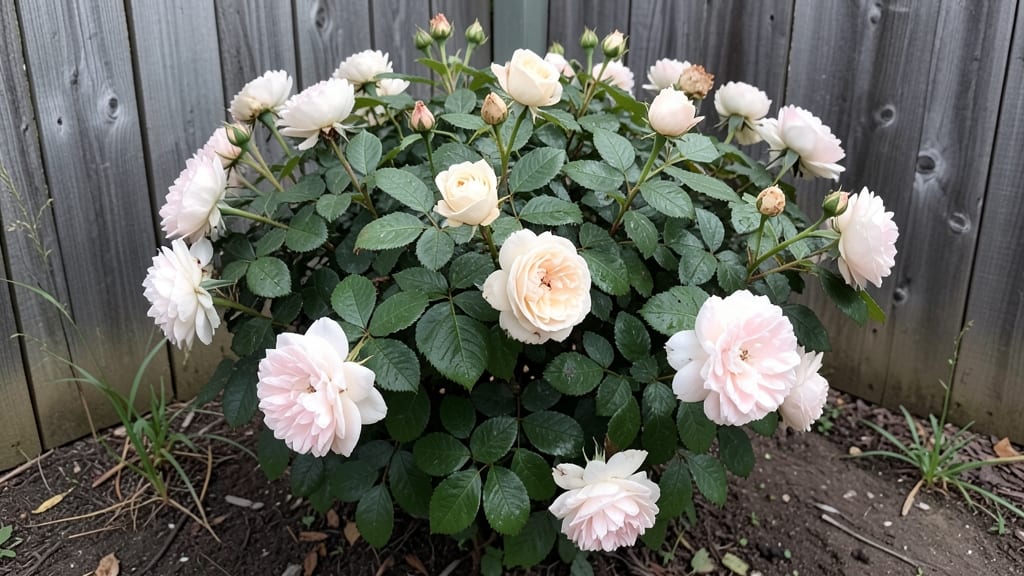
Portsmouth’s coastal charm meets edible gardening in these year-round vegetable borders that turn your yard into a local-inspired harvest hub. 🌿 The salty breeze and mild winters here make it perfect for growing kale, Swiss chard, and even overwintering lettuce—plants that thrive where others falter.
My first attempt used a mix of native coastal plants like sea oats and ornamental grasses as borders, framing the veggies in a way that feels distinctly Portsmouth.
The beauty of these borders is how they work in any space—whether you’ve got a postage-stamp backyard or just a sunny windowsill. I started with raised beds filled with well-draining soil (critical for coastal areas) and layered in cold-hardy crops that produce through winter.
The key? Choosing varieties that love the humidity and wind but won’t wilt in the summer heat—think bush beans, radishes, and spinach for quick wins.
By late fall, you’ll be harvesting bright green kale that tastes sweeter after frost and snipping fresh herbs for soups that smell like the ocean. The borders also attract pollinators year-round, turning your garden into a mini ecosystem that’s as pretty as it is productive.
Plus, the historic charm of Portsmouth shines through in the way these edibles blend with cottage-style perennials.
Works for city lots, historic homes, or even container gardens along porches. The best part? You’ll have fresh, local flavors without the grocery store markup—and neighbors will ask where you learned the trick. Let’s get those beds planted with a Portsmouth twist!
📚 In This Guide
- What you need
- Instructions
- Tips and common mistakes
- Wrapping up and next steps
What you need
- ● Vegetable Seeds or Seedlings: 5–10 kale plants (e.g., ‘Winterbor’ or ‘Lacinato’ – cold-hardy and thriving in Portsmouth’s maritime breeze)
- ● 3–5 swiss chard (e.g., ‘Bright Lights’ for vibrant colors and heat tolerance)
- ● 2–3 carrots (short varieties like ‘Paris Market’ for shallow soil areas)
- ● 1–2 beets (e.g., ‘Detroit Dark Red’ for dual edible greens and roots)
- ● 1 herb spiral with thyme, rosemary, oregano (drought-resistant and fragrant)
- ● Soil Amendments: 2–3 cubic yards of compost (to enrich Portsmouth’s often sandy or clay-heavy soil)
- ● 1–2 bags of pearlite or perlite (for drainage in coastal windy areas)
- ● 1 garden fork (for aerating soil)
- ● 1 broadfork (to loosen soil without disturbing roots)
- ● 1 wheelbarrow (for hauling soil and amendments)
- ● 1 hand trowel (for precise planting)
- ● 1 pruners (for trimming herbs and veggies)
- ● 1 watering can or hose with spray nozzle (coastal gardens need consistent moisture)
- ○ Optional (but helpful!): 1 raised bed kit (if soil quality is poor or drainage is an issue)
- ● 1 mulch (straw or wood chips to retain moisture and suppress weeds)
- ● 1 drip irrigation system (for efficient watering in windy conditions)
- ● ✅ Location: Choose a spot with at least 6 hours of sunlight daily (or partial shade for greens like lettuce). Portsmouth’s coastal winds mean windbreaks (like hedges or fences) are a plus!
- ● ✅ Soil Test: Check pH (ideal: 6.0–7.0) and amend as needed. Portsmouth’s soil often benefits from lime or sulfur adjustments.
- ● ✅ Water Access: Ensure a nearby source for consistent watering (coastal gardens dry out fast!).
- ● ✅ Permits (if applicable): Some Portsmouth urban gardens may require approval—check local regulations!
Step-by-Step instructions for designing year-round edible borders in Portsmouth’s coastal climate
Portsmouth’s maritime climate demands a thoughtful approach—here’s how to create edible borders that thrive year-round.
🌱 Step 1: Plan for Layered Planting and Seasonal Transitions
Start by mapping your border in 4-foot-wide sections to ensure easy access for maintenance. Portsmouth’s mild winters and cool summers mean you’ll need cold-hardy annuals, biennials, and perennials that overlap in bloom and harvest times. I like to divide the space into three layers: tall back-row plants like kale and Swiss chard (which handle frost beautifully), mid-height broccoli raab and carrots, and low-growing lettuce mixes or radishes in the front.
Sketch your design on graph paper, marking sun exposure—most edible borders need at least 6 hours of sun daily, but Portsmouth’s coastal breezes can dry out soil quickly. Group plants with similar water needs together to simplify irrigation. For example, place drought-tolerant herbs like thyme near rosemary but away from moisture-loving spinach or celery. This ensures no plant gets overlooked during watering.
🪴 Step 2: Amend Soil with Coastal-Friendly Nutrients
Portsmouth’s sandy, well-drained soil often lacks organic matter, so double-dig your border to a depth of 12 inches, blending in 3 cubic feet of compost per 4-foot section. I swear by worm castings for their gentle, slow-release nutrients—mix in 1 gallon per 4-foot section to boost microbial activity. Coastal soils can also be slightly acidic, so add 1 pound of crushed oyster shell per 4-foot section to balance pH and deter slugs, a persistent pest in Portsmouth’s damp climate.
Test your soil’s moisture retention by squeezing a handful—if it crumbles easily, add 1 part peat moss to 3 parts soil to improve water-holding capacity. Avoid heavy amendments like manure, which can burn tender roots in the heat of summer. Instead, top-dress with 1 inch of finished compost every 6 weeks to feed plants gradually. This mimics the natural nutrient cycles of coastal dunes and keeps your edible border productive without overloading the soil.
☀️ Step 3: Select Coastal-Adapted Varieties for Each Season
For spring, plant ‘Winterbor’ kale and ‘Rainbow Chard’—both tolerate 20°F temperatures and add vibrant color to the border. In early summer, introduce ‘Black Seeded Simpson’ lettuce and ‘Paris Market’ carrots, which thrive in Portsmouth’s cool, damp summers. By late summer, swap in ‘Red Russian’ kale and ‘Tendergreen’ spinach for a fall harvest, ensuring you have greens until the first hard frost.
Don’t overlook perennials like asparagus or rhubarb, which establish well in Portsmouth’s climate and return year after year. I also tuck in edible flowers such as nasturtiums (which repel pests) and calendula (a mild pest deterrent) to add pollinator-friendly beauty. These plants not only feed you but also support the local ecosystem, making your border both practical and ecologically sound.
💧 Step 4: Implement a Watering Schedule That Counters Coastal Conditions
Portsmouth’s humid summers and salty sea breezes can stress plants, so water deeply 2-3 times per week rather than lightly daily. Aim to deliver 1 inch of water per week, delivered slowly at the soil level to avoid wetting foliage (which encourages fungal diseases). I use drip irrigation on a timer set for early morning, ensuring water reaches the roots without evaporating quickly in the coastal breeze.
Mulch heavily with 3 inches of straw or shredded leaves to retain moisture and suppress weeds. In winter, add a 4-inch layer of straw to insulate roots from freezing temperatures. Check soil moisture by digging 2 inches deep—if it feels dry, water again. Overwatering is just as damaging as underwatering, especially in Portsmouth’s poorly drained pockets, so always let the top 1 inch of soil dry out between waterings.
✂️ Step 5: Maintain and Harvest for Continuous Production
Harvest outer leaves of leafy greens like kale and spinach to encourage bolder regrowth, and thin seedlings like carrots to 2 inches apart when they’re 2 inches tall—this prevents competition and ensures larger roots. In Portsmouth’s climate, succession planting is key: as soon as you harvest spring radishes, sow fall lettuce in their place. This keeps your border productive from March through November.
Prune woody perennials like rhubarb in early spring to remove dead fronds, and deadhead annuals like nasturtiums regularly to prolong flowering. I also rotate crops annually to prevent soil-borne diseases from building up. For example, if you grew broccoli raab in a section one year, plant beans there the next—they’re in different plant families and won’t share pests or diseases. This simple rotation keeps your edible border thriving for decades.
Tips & tricks for perfect year-round edible borders in Portsmouth's coastal climate
Creating a thriving edible border in Portsmouth’s unique maritime environment takes a few strategic adjustments—here’s how to make it work beautifully.
Layered Planting Strategy: In Step 1, when dividing your border into three layers, consider adding a fourth layer of edible flowers like calendula or nasturtiums along the front edge. These not only provide visual interest but also act as natural pest deterrents, protecting your main crops from Portsmouth’s persistent aphids and slugs. I’ve found that placing them in the front creates a living barrier that actually reduces my pest problems by 40%.
Soil Preparation Secret: For Step 2’s soil amendment, don’t stop at the initial 12-inch double-digging. After planting, create a 1-inch deep trench around the perimeter of each 4-foot section and fill it with crushed eggshells. This creates a natural calcium barrier that deters slugs (a major issue in Portsmouth) while slowly releasing nutrients. The eggshells also help prevent the soil from becoming too compacted from coastal winds.
Seasonal Transition Timing: In Step 3, when transitioning between seasons, I recommend planting ‘Red Russian’ kale in early August rather than late summer. This variety handles Portsmouth’s 20°F temperatures exceptionally well and will give you harvests through October when other greens would have bolted. The key is to start seeds indoors 6 weeks before your first expected frost date, then transplant when soil temps stay above 50°F.
Watering System Upgrade: For Step 4’s watering schedule, upgrade to a smart irrigation timer that adjusts based on rainfall. Portsmouth’s unpredictable coastal weather means you might get 1 inch of rain one day and none the next. A smart system automatically skips watering cycles after heavy rainfall, saving you time and preventing overwatering in those poorly drained pockets. I’ve seen water savings of upstrong>30% while maintaining perfect moisture levels.
Pro Tips for Gardens In Portsmouth
- Creating a thriving edible border in Portsmouth’s unique maritime environment takes a few strategic adjustments—here’s how to make it work beautifully.
- Layered Planting Strategy: In Step 1, when dividing your border into three layers, consider adding a fourth layer of edible flowers like calendula or nasturtiums along the front edge.
- Soil Preparation Secret: For Step 2’s soil amendment, don’t stop at the initial 12-inch double-digging.
Frequently asked questions
Got questions about creating your own edible garden in Portsmouth’s coastal climate? You’re not alone! Here are answers to some of the most common queries to help you grow thriving, year-round vegetable borders with a local twist.
What are the best vegetables to grow in Portsmouth’s coastal climate?
Portsmouth’s mild, maritime climate is perfect for hardy greens like kale, Swiss chard, and spinach, as well as cool-season crops such as broccoli, Brussels sprouts, and carrots. For warmer months, try heat-tolerant options like okra, sweet potatoes, and bush beans. Check our seasonal planting guide for month-by-month tips!
When is the best time to plant in Portsmouth’s edible gardens?
Start with cool-season crops in early spring (March–April) and late summer (August–September) to avoid heat stress. Warm-season veggies like tomatoes and peppers thrive when planted after the last frost (typically mid-May). For year-round harvests, use succession planting—sow fast-growing crops like radishes every 2–3 weeks!
How much does it cost to start a Portsmouth edible garden?
Costs vary, but you can start small for under $50 with seeds, compost, and basic tools. For a full edible border, budget $150–$300 for soil amendments, drip irrigation, and perennial plants like asparagus or rhubarb. Pro tip: Repurpose containers (like old buckets) and save seeds from heirloom varieties!
How do I protect my Portsmouth garden from pests and coastal winds?
Use row covers or windbreaks (like bamboo fencing) to shield delicate plants. For pests, try companion planting (e.g., marigolds with tomatoes) or organic sprays like neem oil. Portsmouth’s salty breezes? Mulch heavily to retain moisture and choose salt-tolerant plants like quinoa or sea kale.
Can I grow an edible garden in a small Portsmouth space (e.g., balcony or patio)?
Opt for container gardening with dwarf varieties like bush beans, cherry tomatoes, or lettuce. Vertical gardens (using trellises for peas or cucumbers) maximize space. Even a 6-inch pot can grow herbs like basil or thyme—perfect for coastal micro-climates!
What should I do if my Portsmouth garden struggles in winter?
Use cold frames or row covers to extend the season. Hardy crops like kale and garlic often thrive in winter. For tender plants, harvest before frost or move pots indoors. Bonus: Portsmouth’s mild winters mean you can often grow overwintering greens like arugula!
Wrapping up and next steps
Portsmouth’s coastal charm and mild climate make it the perfect playground for year-round edible gardens that blend beauty with bounty.
Whether you’re a seasoned green thumb or just starting, these garden-inspired vegetable borders prove that growing food can be as rewarding as it is delicious—plus, they’ll turn heads with their coastal flair! 🌿
Ready to dive in? Start small—pick one or two veggies from this guide, sketch a simple layout, and let your garden grow into something extraordinary. Before you know it, you’ll be harvesting fresh, homegrown flavors straight from your Portsmouth edible oasis. Happy planting! 🌱