
Vegetables
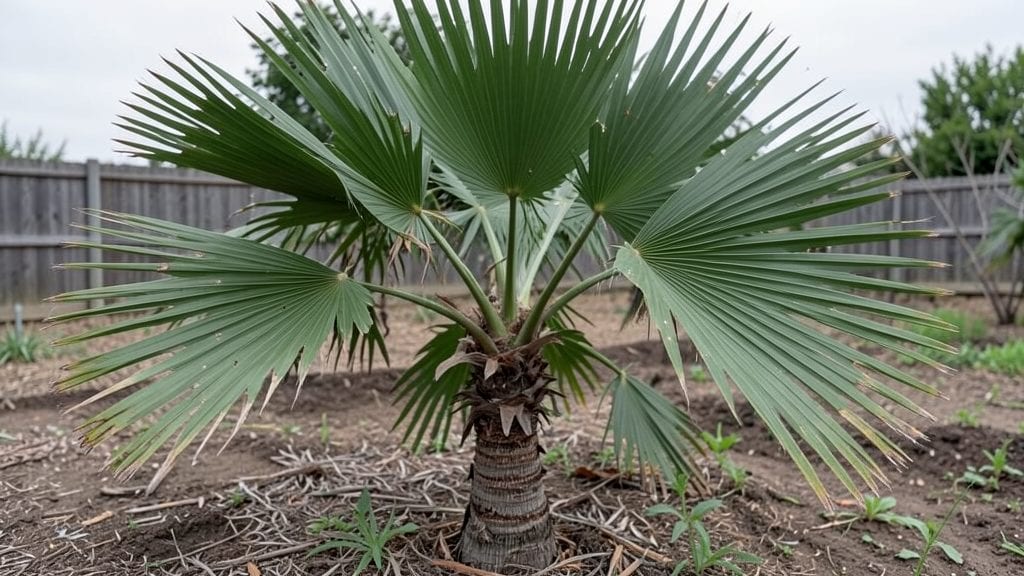
Gainesville’s gardens prove you can have year-round beauty without fighting Florida’s heat or humidity—just by choosing the right plants. 🌿 I’ve walked through public gardens here where firebush blooms in winter while native ferns stay lush through summer, and the secret isn’t complex: it’s all about Florida-friendly perennials that thrive with minimal fuss.
These gardens show how to layer textures and colors so your yard never looks seasonal, just vibrant.
The real magic happens with plants like coontie palms (which handle drought once established), blanket flowers that bloom from spring to frost, and muhly grass that adds movement to borders.
Most homeowners here use 50% less water than traditional lawns by swapping grass for these tough natives—plus, they attract butterflies and hummingbirds that keep the ecosystem buzzing. The University of Florida’s Gulf Coast Research and Education Center even offers free plant guides tailored to Alachua County’s soil.
What you’ll end up with is a landscape that stays green when others go brown, smells like a Florida spring even in August, and requires half the maintenance of imported plants. The payoff?
A yard that feels like a local garden tour stop, not just another suburban plot. Here’s how to pick the right perennials for your light and soil—without breaking the bank.
For inspiration, start at the Kanapaha Botanical Gardens (just 15 minutes from downtown) where themed gardens demonstrate exactly how to mix perennials with annuals for continuous color. Or visit The Florida Museum’s Plant Science Building to see how native plants support wildlife—then bring those lessons home.
The best part? These gardens prove Florida-friendly doesn’t mean boring.
📚 In This Guide
- What you need
- Instructions
- Tips and common mistakes
- Wrapping up and next steps
What you need
- ● Perennial Plants: Choose from Florida-friendly varieties like Salvia coccinea, Lantana, Blackfoot Daisy, or Firebush. Buy 3–5 plants per variety (or more for larger spaces).
- ● High-Quality Soil: 2–3 cubic yards of native Florida soil mix (or compost-amended topsoil for better drainage). Avoid heavy clay!
- ● Mulch: 1–2 bags of pine bark mulch (3–4 inches deep) to retain moisture and suppress weeds.
- ● Basic Tools: Garden trowel or hand shovel
- ● Pruning shears (for shaping)
- ● Garden hose with adjustable nozzle (or watering can for small plots)
- ● Gloves (heavy-duty for tough plants)
- ● Drip Irrigation System: Saves water and time—ideal for Gainesville’s hot summers. (~$50–$150 depending on size).
- ● Organic Fertilizer: Slow-release, Florida-friendly options like Osmoote or compost tea (apply every 6–8 weeks).
- ● Native Ground Cover: Frogfruit or Horse Gentian to fill gaps and deter weeds.
- ● Shade Cloth: 30% coverage for seedlings if planting in peak sun (June–September).
How to design a low-maintenance Florida-friendly garden in Gainesville
This is the approach I’ve used for years to create vibrant, resilient gardens that thrive year-round with minimal fuss.
🌱 Step 1: Choose Native Perennials That Thrive in Gainesville’s Climate
Start with plants that naturally flourish in North Central Florida’s humid subtropical conditions. My go-to selections include Firebush (Hamelia patens) for its brilliant red blooms and hummingbird magnetism, Blanket Flower (Gaillardia pulchella) for its drought tolerance and long-lasting color, and Coastal Muhly Grass (Muhlenbergia capillaris) for soft texture and fall interest.
These perennials require little to no fertilizer once established and handle Gainesville’s hot summers (90-95°F) and mild winters (40-50°F) without fuss. I always check the University of Florida IFAS Extension database to verify each plant’s suitability for Zone 8b—this ensures your selections will thrive without constant babying.
☀️ Step 2: Plan for Sun Exposure and Microclimates
Gainesville’s variable sunlight means some areas get full sun (6+ hours daily), while others may only receive partial shade (3-6 hours). Observe your yard’s patterns over a week—note where afternoon shade falls and where morning sun lingers. I group sun-lovers like Lantana and Salvia together in the brightest spots, while Fernleaf Yarrow and Frogfruit (Phyla nodiflora) thrive in dappled shade.
If your garden has south-facing walls, expect intense heat—plant heat-tolerant species like Turk’s Cap (Malvaviscus arboreus) there. For shadier corners, Cast Iron Plant (Aspidistra elatior) and Sword Fern (Nephrolepis exaltata) are nearly indestructible. Always leave 18-24 inches of space between perennials to prevent overcrowding as they mature.
💧 Step 3: Amend Soil for Drainage and Nutrient Retention
Florida’s native soils are often clay-heavy and compacted, which can suffocate roots. I mix 2-3 inches of organic compost into the top 6-8 inches of soil before planting to improve aeration and moisture retention. For sandy areas, add 1 part peat moss or coconut coir to 3 parts native soil to help retain water without becoming soggy.
Test your soil’s pH—most Florida-friendly perennials prefer slightly acidic to neutral (6.0-7.0). If your soil is too alkaline, amend with sulfur or pine fines in early spring. Avoid heavy mulching (stick to 2-3 inches) to prevent fungal issues—these plants hate soggy roots. Instead, use pine straw or shredded hardwood mulch to conserve moisture while allowing rain to penetrate.
✂️ Step 4: Install Drip Irrigation for Effortless Watering
Gainesville’s unpredictable rain patterns make overhead watering inefficient. I install drip irrigation lines with emitters spaced 12-18 inches apart, delivering water slowly at the base of plants. Set your system to run early morning (4-8 AM) to minimize evaporation and fungal risks. Most Florida perennials only need 1 inch of water weekly once established—adjust for drought by adding 1-2 extra inches monthly during summer.
Group plants with similar water needs together to simplify maintenance. For example, Firebush and Blanket Flower can share a zone, while Fernleaf Yarrow and Frogfruit prefer slightly damper conditions. Avoid wetting foliage—this reduces disease pressure and keeps your garden looking tidy without constant pruning.
🌿 Step 5: Prune Strategically for Year-Round Interest
Most Florida perennials need minimal pruning if chosen wisely. I deadhead spent blooms on Lantana and Salvia in late winter to encourage fresh growth, while Coastal Muhly Grass gets a light trim in early spring to tidy its shape. For Firebush, I prune lightly after flowering to maintain its bushy form without sacrificing next year’s blooms.
Never prune winter or early spring—this is when many perennials are storing energy for new growth. Instead, wait until new shoots appear (late February) before shaping. Use clean, sharp pruners to make cuts at a 45-degree angle just above a leaf node. This encourages healthy regrowth and keeps your garden looking intentional, not neglected.
Tips & tricks for perfect Gainesville gardens
Creating a thriving Florida-friendly garden in Gainesville isn't just about planting—it's about working with nature's rhythms. Here's what I've learned after years of trial and error to make your garden truly resilient.
Plant Selection Matters: When choosing perennials like Firebush or Blanket Flower, pay attention to their mature size—what looks small in the nursery can become a 4-foot shrub! I always check the University of Florida IFAS Extension database for each plant's exact dimensions. For example, Firebush can reach 10-15 feet tall if unpruned, while Coastal Muhly Grass stays compact at 2-3 feet. This prevents overcrowding before it happens.
Soil Preparation is Key: Don't skip the soil amendment step! The 2-3 inches of organic compost mixed into the top 6-8 inches of soil creates the perfect environment for roots. For sandy areas, I've found that coconut coir works even better than peat moss—it holds moisture longer without compacting. Test your soil's pH before planting; most Florida natives prefer 6.0-7.0, but some like Turk's Cap tolerate slightly more alkaline conditions.
Microclimate Awareness: Gainesville's variable sunlight creates distinct microclimates in even small yards. I recommend mapping your yard's sun exposure for a week before planting. South-facing walls create heat islands that can scorch heat-sensitive plants, while north-facing areas stay cooler. Grouping plants with similar light requirements (like Lantana and Salvia together) creates natural zones that thrive without extra care.
Pruning Timing is Critical: The late February timing for pruning Coastal Muhly Grass is non-negotiable—this is when new growth begins. I've learned the hard way that pruning too early can remove next year's flower buds. For Firebush, I wait until after flowering to prune lightly, which maintains its shape without sacrificing next year's vibrant red blooms. Always use clean, sharp pruners and make cuts at a 45-degree angle just above a leaf node for the best results.
Pro Tips for Gardens In Gainesville
- Creating a thriving Florida-friendly garden in Gainesville isn't just about planting—it's about working with nature's rhythms.
- Plant Selection Matters: When choosing perennials like Firebush or Blanket Flower, pay attention to their mature size—what looks small in the nursery can become a 4-foot shrub!
- Soil Preparation is Key: Don't skip the soil amendment step!
Frequently asked questions
Got questions about creating or maintaining a stunning garden in Gainesville? You’re not alone! Here are some of the most common queries—plus straightforward answers to help you thrive in Florida’s unique climate.
What are the best perennials for a low-maintenance Gainesville garden?
Gainesville’s warm winters and humid summers favor hardy perennials like Lantana, Salvia, and Blackfoot Daisy. These plants thrive with minimal water once established and resist pests. For edibles, try Rosemary, Oregano, or Asparagus—they’re drought-tolerant and perennial in Florida’s Zone 9.
When is the ideal time to plant perennials in Gainesville?
Fall (September–November) is the best time to plant perennials—soils are warm, and summer heat has passed. Spring (February–March) also works, but mulch heavily to retain moisture. Avoid planting in peak summer (June–August) unless you’re using shade cloth or drip irrigation to protect young roots.
How often should I water perennials in Gainesville’s heat?
Newly planted perennials need deep watering 2–3 times per week for the first month. Once established, most perennials thrive on 1–1.5 inches of water weekly, either from rain or irrigation. Mulch 2–3 inches deep to lock in moisture and reduce evaporation. Drought-tolerant varieties like Yucca or Agave need even less!
What pests commonly attack Gainesville gardens, and how do I prevent them?
Watch for aphids, whiteflies, and snails—they’re frequent visitors. Preventive tips:
- Use neem oil or insecticidal soap for soft-bodied pests.
- Encourage ladybugs and praying mantises by planting native flowers like Milkweed.
- Set up beer traps for slugs or handpick them at night.
- Keep garden beds weed-free to reduce hiding spots.
Can I grow vegetables as perennials in Gainesville, and which ones work best?
Gainesville’s climate supports perennial veggies like:
- Asparagus (harvest for 15+ years!)
- Rhubarb (thrives in cooler winters)
- Artichokes (drought-resistant once established)
- Strawberries (everbearing varieties)
Wrapping up and next steps
Gainesville’s gardens prove that year-round beauty is possible with the right Florida-friendly perennials—think lush greenery, vibrant blooms, and low-maintenance charm! 🌿 Whether you’re a seasoned gardener or just starting, these plants thrive in our climate, offering color, texture, and even edible delights. Why wait? Grab your gloves, pick a sunny spot, and let your green thumb shine.
Ready to transform your space? Start small—plant a few perennials this weekend and watch your garden flourish! For inspiration, visit local nurseries or join Gainesville’s gardening communities to swap tips and share your progress. Happy planting! 🌸