Advice
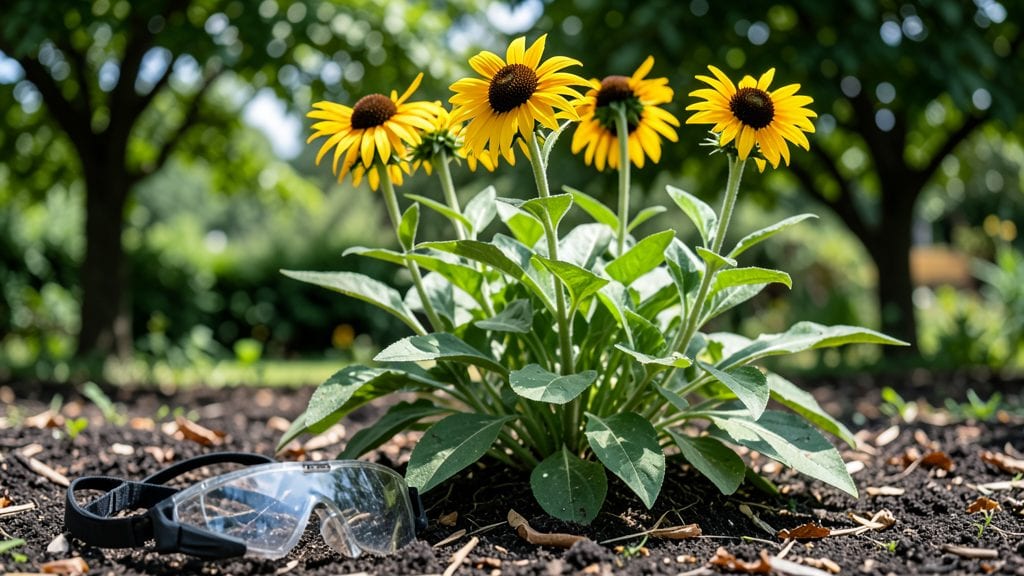
Gardening safety tips start with protecting what you work with most—your hands and skin. I’ve sliced open fingers more times than I can count, and every blister or rash taught me a lesson about gear, technique, and timing.
The right gloves, proper tool grip, and a little foresight can turn a potentially painful day into a smooth, satisfying one.
Chemicals and sharp tools are the obvious dangers, but seasonal hazards sneak up too—think sunburn from long hours in the yard or frostbite when winter pruning. Kids and beginners need extra watchfulness, especially around power tools or pesticides.
The goal isn’t to avoid gardening entirely but to make it smart, so you can enjoy the harvest without the hospital trip.
You’ll learn to handle tools like a pro, spot early signs of skin irritation, and adapt for extreme weather. Simple habits—like checking tool edges before use or wearing long sleeves in peak sun—add up to big protection.
By the end, you’ll have a routine that keeps your garden thriving and your skin intact.
Whether you’re a weekend warrior or a full-time green thumb, these tips scale to your needs. Families can use them to create a safe space for little helpers, while solo gardeners will find shortcuts to avoid common pitfalls. Let’s get growing—safely.
Why it happens
Gardening might seem like a peaceful, earthy escape, but beneath the surface, your hands and skin face invisible threats that can turn a relaxing afternoon into a painful ordeal. Understanding why these hazards occur is the first step to dodging them.
From microscopic invaders to heavy-duty tools, here’s a breakdown of the science behind common gardening risks—and how they sneak up on you.
🦠 Microbes and Pathogens: The Invisible Invaders
Soil isn’t just dirt—it’s a bustling ecosystem teeming with bacteria, fungi, and viruses that can wreak havoc on your skin. When you handle contaminated soil, these microbes can cause infections like cutaneous anthrax (from Bacillus anthracis) or tetanus (from Clostridium tetani).
The risk spikes when soil is disturbed, releasing spores into the air or embedding themselves in cuts. Wet, warm conditions—like those in compost piles or after rain—create the perfect breeding ground for these pathogens.
Even healthy-looking soil can harbor danger, especially if it’s been fertilized with animal manure or contains decaying organic matter.
Why it happens:
- Spores survive for years—C. tetani spores can lie dormant in soil for decades, waiting for an open wound to infect.
- Moisture accelerates growth—Fungi like dermatophytes (which cause athlete’s foot) thrive in damp soil and tools.
- Animal contact spreads zoonotic diseases—Handling pet waste or wildlife droppings introduces harmful bacteria like Salmonella or E. coli.
🌡️ Chemical Irritants: The Silent Burn
Pesticides, herbicides, and fertilizers are designed to kill living things—including your skin cells. Many contain corrosive acids, solvents, or synthetic compounds that disrupt the skin’s natural barrier.
For example, glyphosate (found in Roundup) has been linked to skin irritation and allergic reactions, while organophosphate pesticides can cause chemical burns or long-term nerve damage. Even "natural" remedies like vinegar or salt can dry out skin or worsen eczema when used improperly.
Why it happens:
- Skin absorption is effortless—Chemicals bypass the skin’s outer layer (stratum corneum) and enter the bloodstream, especially if your skin is broken or sweaty.
- Heat and sunlight amplify effects—UV rays break down chemical barriers, making your skin more vulnerable to irritation.
- Misuse leads to concentration spikes—Mixing products or applying them undiluted increases toxicity (e.g., combining bleach with vinegar creates toxic chlorine gas).
⚡ Physical Trauma: Tools and Terrain Take Toll
Gardening tools are sharper and heavier than they look. A single misstep with pruners, shears, or a trowel can cause deep lacerations, punctures, or even embedded debris.
The risk isn’t just from the tool itself—uneven terrain, loose rocks, or hidden roots can throw off your balance, leading to falls or crushed fingers. Even seemingly harmless tasks like digging or weeding can cause repetitive strain injuries (like carpal tunnel syndrome) over time.
Why it happens:
- Blunt-force injuries from tools—Pruners exert up to 100+ pounds of pressure per square inch when closed, enough to crush bones.
- Vibration and repetition damage nerves—Using power tools (like hedge trimmers) for hours can lead to vibration white finger, restricting blood flow.
- Soil compaction hides dangers—Stepping on hidden roots or rocks can cause sprains, fractures, or even knee injuries from sudden twists.
☀️ Sun and Heat: The Double-Edged Glow
Sunlight is essential for plants, but for your skin, it’s a double threat. UV rays break down collagen, causing premature aging, sunburn, and even skin cancer. Meanwhile, heat exhaustion from prolonged exposure can lead to dehydration, dizziness, or heatstroke—especially if you’re not wearing protective clothing.
Even reflected sunlight (bouncing off water or tools) can intensify damage, and windburn (from dry, gusty conditions) dries out skin faster than you think.
Why it happens:
- UVA/UVB rays penetrate deeply—UVA ages skin by damaging collagen, while UVB causes sunburn by altering DNA in skin cells.
- Sweat washes away sunscreen—Even water-resistant SPF can degrade in 90 minutes of activity, leaving you exposed.
- Heat radiates from tools and soil—Metal tools can reach 120°F+ in direct sun, while dark soil absorbs heat, increasing body temperature.
Quick Fixes for Common Garden Hazards
Gardening is rewarding, but without the right precautions, it can also be risky—especially for your hands and skin. Below are practical, step-by-step solutions to tackle the most frequent gardening hazards, along with prevention tips to keep your green thumb safe.
Cause: Rough handling of pruners, shears, or shovels can lead to painful blisters, cuts, or calluses.
How to Fix It: 🔥 Stop the bleeding immediately – If you cut yourself, wash the wound with mild soap and cold water for 5–10 minutes to reduce swelling. Use a sterile bandage or adhesive strip to cover it. 🍳 Treat blisters properly – If a blister pops, don’t peel off the skin—it protects against infection. Clean it, apply an antibiotic ointment, and cover with a non-stick bandage. 👨🍳 Soften rough skin – For calluses, soak hands in lukewarm water with Epsom salt for 10 minutes, then gently exfoliate with a pumice stone or loofah. 🥘 Prevent future damage – Always grip tools correctly (avoid pinching fingers) and keep blades sharp—dull tools require more force, increasing injury risk.
✨ Pro Tip: Wear cut-resistant gloves (like those with Kevlar or steel mesh) when handling sharp tools or thorny plants.
Cause: Prolonged sun exposure without protection leads to sunburn, heat exhaustion, or prickly heat rash.
How to Fix It: 🔥 Cool sunburned skin – Apply a cool (not icy) compress or take a lukewarm shower to soothe irritation. Use aloe vera gel or hydrocortisone cream (1%) for relief. 🍳 Hydrate aggressively – Drink electrolyte-rich fluids (coconut water, sports drinks) to replenish lost salts. Avoid alcohol and caffeine, which dehydrate you further. 👨🍳 Treat heat rash – Keep the affected area dry and cool. Apply calamine lotion or zinc oxide cream, and wear loose, breathable clothing. 🥘 Prevent future burns – Reapply sunscreen (SPF 30+) every 2 hours, even on cloudy days. Wear a wide-brimmed hat, UV-protective sunglasses, and lightweight, long-sleeved clothing.
💡 Pro Tip: Start gardening early morning or late afternoon to avoid peak sun hours (10 AM–4 PM).
Cause: Bees, wasps, mosquitoes, and ticks can trigger itchy bites, swelling, or severe allergic reactions.
How to Fix It: 🔥 Remove stings safely – Scrape (don’t squeeze!) the stinger out with a credit card or fingernail. Wash the area with soap and water. 🍳 Reduce swelling and itch – Apply a cold pack for 10 minutes to numb the area, then use hydrocortisone cream or antihistamine cream. For severe itching, take an oral antihistamine (like Benadryl). 👨🍳 Watch for allergic reactions – If you experience difficulty breathing, dizziness, or throat swelling, seek emergency help immediately (use an epinephrine auto-injector if prescribed). 🥘 Prevent bites and stings – Wear long sleeves and pants, use insect repellent (DEET or picaridin), and avoid bright colors/scented lotions that attract bugs.
✨ Pro Tip: Check for ticks daily after gardening, especially in grassy or wooded areas. Use fine-tipped tweezers to remove them grip the head and pull straight out.
Cause: Improper handling of harsh chemicals can cause skin irritation, burns, or respiratory issues.
How to Fix It: 🔥 Flush skin immediately – If chemicals splash on your skin, rinse with water for 15–20 minutes. Remove contaminated clothing. 🍳 Neutralize the burn – For acid burns (vinegar, some fertilizers), rinse with baking soda solution. For alkaline burns (lime, some pesticides), use vinegar or lemon juice. 👨🍳 Seek medical help if needed – If the skin blisters, turns white, or causes severe pain, see a doctor. 🥘 Prevent exposure – Always wear gloves, long sleeves, and goggles when handling chemicals. Read labels carefully and follow mixing instructions. Store chemicals in a locked cabinet away from children.
🎯 Pro Tip: Opt for organic or low-toxicity alternatives (like neem oil or compost tea) to reduce chemical risks.
Cause: Frequent exposure to dirt, wind, and harsh soaps strips natural oils, leading to rough, flaky, or cracked skin.
How to Fix It: 🔥 Moisturize deeply – After washing, apply a thick, fragrance-free moisturizer (like petroleum jelly or shea butter) while skin is still damp. 🍳 Exfoliate gently – Use a soft washcloth or sugar scrub 1–2 times a week to remove dead skin without irritation. 👨🍳 Protect from elements – Before gardening, apply a hand cream with SPF to shield against windburn. Wear gardening gloves if working in extreme conditions. 🥘 Prevent future dryness – Wash hands with mild, moisturizing soap (like Dove or Cetaphil), and avoid hot water, which strips oils.
💡 Pro Tip: Keep a small travel-sized moisturizer in your gardening bag for quick touch-ups.
By following these simple fixes and prevention tips, you can enjoy gardening without the pain or risks. Stay safe, stay protected, and keep those green thumbs happy! 🌿✨
Frequently asked questions
What are the most common gardening injuries?
Cuts from sharp tools, blisters from improper grip, and chemical burns top the list. Repetitive strain injuries (like wrist pain) and sunburn also happen frequently. Always inspect tools before use and wear gloves when handling chemicals or thorny plants.
How can I protect my skin from pesticides and fertilizers?
Wear nitrile gloves and long sleeves when applying chemicals. Rinse skin immediately if exposure occurs, and store products in locked cabinets. Consider organic alternatives like neem oil to reduce chemical risks entirely.
What’s the safest way to handle garden tools?
Keep blades sharp to reduce cutting force, and grip tools properly to avoid pinched fingers. Store tools in a dry place to prevent rust, and always point sharp ends downward when carrying them. Never leave tools unattended near children.
Can gardening cause long-term skin damage?
Yes, prolonged sun exposure without protection leads to premature aging, while repeated chemical exposure may cause dermatitis. Use SPF 30+ sunscreen, wear UV-protective clothing, and moisturize daily to maintain skin health.
How do I create a child-friendly garden?
Use rounded tools, avoid toxic plants (like foxglove), and supervise kids at all times. Teach them to wash hands after gardening and wear closed-toe shoes. Consider raised beds with soft mulch to minimize injury risks.