
Advice
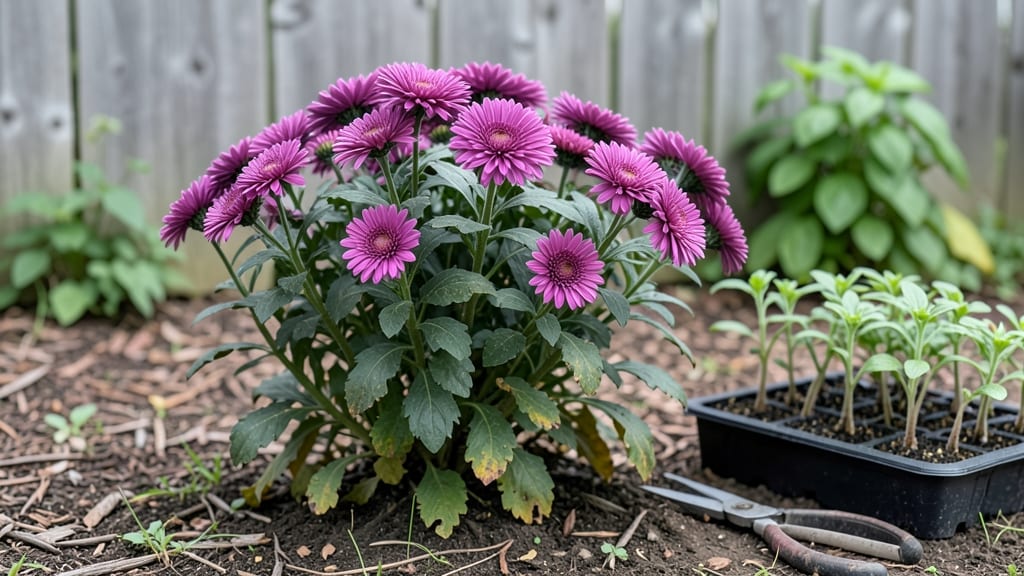
September gardening isn’t about slowing down—it’s about planting the right things for a shockingly productive fall harvest. 🌱 I’ve learned that this month’s cool-season crops thrive when sown before temperatures dip below 50°F, and the window is narrower than most gardeners realize.
The first time we saw kale and spinach bolt in late October, we knew timing mattered more than we thought.
You’ll need a few simple supplies: seeds for fast-growing greens, root crops, and brassicas; a 5-gallon bucket of composted soil; and a way to protect tender seedlings from early frosts.
My garden journal shows that planting broccoli, carrots, and radishes by mid-September guarantees harvests before winter sets in. Even in small spaces, these crops deliver reliable results.
The payoff comes in crisp, sweet vegetables straight from the garden when store-bought options fade. Imagine biting into a homegrown carrot in December—it’s the reward that keeps us planting year after year. The secret? Start with soil that’s 60-70°F and keep seedlings consistently moist until they establish.
Regional adjustments matter: In Zone 5, cover crops like clover go in by late September, while Zone 8 gardeners can still direct-sow garlic. Whether you’re prepping for winter or extending the season, these steps keep your garden alive and thriving through the cold months.
📚 In This Guide
- What you need
- Instructions
- Tips and common mistakes
- Wrapping up and next steps
What you need
- ● Garden soil or compost: 2–3 cubic yards (or enough to amend 1–2 inches into your existing soil). Look for organic matter-rich blends or compost to boost fertility.
- ● Cool-season seeds: Quantities vary by plant (check seed packets), but staples like kale, spinach, carrots, and lettuce are great choices. Aim for organic, non-GMO seeds if possible.
- ● Seedling trays or pots: 72-cell trays (for starting indoors) or 4-inch pots (for transplanting). Use biodegradable pots to reduce waste.
- ● Seed-starting mix: 1–2 bags (sterile and lightweight for optimal germination). Avoid garden soil—it’s too dense!
- ● Garden gloves: A pair of durable, breathable gloves to protect your hands from thorns and dirt.
- ● Hand trowel: A sturdy, 6–8-inch trowel for planting seeds and transplanting seedlings.
- ● Pruners or shears: Bypass pruners (for clean cuts) to trim dead foliage or harvest herbs.
- ● Watering can or hose with a gentle nozzle: A 1–2 gallon can for precision watering or a hose with an adjustable mist setting for seedlings.
- ● Row covers or frost cloth: Lightweight fabric to protect young plants from unexpected chilly nights.
- ● Mulch (straw or shredded leaves): 2–3 inches to retain moisture and regulate soil temperature.
- ● Organic fertilizer: A balanced, slow-release formula (e.g., 5-5-5) to give plants a nutrient boost.
- ● Plant markers: Biodegradable labels or popsicle sticks to keep track of your cool-season crops.
- ● Knee pad or small stool: For comfort during long planting sessions.
How to plan your September garden for fall harvests
September is your golden window—cool nights and warm days create perfect conditions for planting.
🌱 Step 1: Select Cool-Season Crops for Your Region
Focus on vegetables that thrive in 50-65°F temperatures: leafy greens like kale and spinach, root crops such as carrots and beets, and brassicas like broccoli and Brussels sprouts. Check your last frost date—most cool-season crops need 60-90 days to mature before winter sets in.
I always prioritize fast-growing varieties for late fall harvests. For example, 'Baby Bok Choy' matures in just 30 days, while 'Winter Density' kale takes 50-60 days. If you're in a warmer zone, opt for heat-tolerant varieties like 'Heat-Tolerant' Swiss chard or 'Malabar' spinach.
🪴 Step 2: Prepare Soil for Planting
Test your soil's pH—most cool-season crops prefer a slightly acidic to neutral range of 6.0-7.0. Amend with 2-3 inches of compost or well-rotted manure to replenish nutrients after summer's heat. Work the soil to a depth of 12 inches, breaking up any compacted layers.
If your soil feels dry, water it thoroughly 24 hours before planting to help roots establish faster. I like to add a handful of bone meal for phosphorus—it encourages strong root development, which is critical for plants facing winter stress.
☀️ Step 3: Time Planting for Optimal Growth
Direct-sow seeds 4-6 weeks before your first frost date for a fall harvest. For example, if frost arrives in mid-November, plant leafy greens by early October. Use row covers or cold frames to extend the season—these protect young plants from unexpected cold snaps while still allowing sunlight through.
Transplants should go in 2-3 weeks before frost to give them time to establish. I always harden off seedlings for 5-7 days before moving them outside—gradually expose them to cooler temps and wind to prevent shock.
💧 Step 4: Adjust Watering and Maintenance
Water deeply 1-2 times per week, aiming for 1-1.5 inches of moisture per week. Cool-season crops need consistent moisture, but avoid soggy soil—it invites rot. Mulch with 2-3 inches of straw or shredded leaves to retain moisture and regulate soil temperature.
Watch for pests like cabbage worms and aphids—these thrive in mild fall weather. I spray a mixture of neem oil and water preventatively every 10-14 days. Fertilize lightly with a balanced 10-10-10 formula every 3-4 weeks to support steady growth without encouraging tender, vulnerable new growth.
⏰ Step 5: Plan for Winter Protection
As temperatures drop below 40°F, protect tender crops with row covers or low tunnels. These create a microclimate that traps heat during the day and insulates at night. For hardy crops like kale and carrots, a thick layer of straw mulch (4-6 inches) is enough to shield roots from freezing.
Harvest leafy greens before hard frosts hit—cold weather actually improves their flavor! For root crops, leave them in the ground until needed—the soil acts as insulation. I always mark planting locations with stakes so I don’t accidentally disturb them during winter cleanup.
Tips & tricks for perfect September planting
A few strategic moves will help you maximize your fall harvest—these are the details that separate good soil from garden gold.
The Temperature Factor: Pay close attention to those 50-65°F temperature guidelines in Step 1. Early September mornings might still feel summery, but nights are cooling fast. I've seen seedlings struggle when planted too early—wait until daytime highs consistently stay below 75°F for optimal growth. For heat-tolerant varieties like 'Malabar' spinach, you can push the envelope slightly, but most cool-season crops will bolt or develop bitter flavors if exposed to prolonged heat.
Soil Prep Secret: That 24 hours of pre-watering before planting in Step 2 isn't just about moisture—it's about creating the perfect seedbed. I like to add a thin layer of vermiculite to the top inch of soil for seedlings, as it improves aeration without changing the soil structure. For root crops like carrots and beets, break up any clumps in the 12-inch deep planting zone to prevent forking. A fork or broadfork works better than a tiller for preserving soil structure.
Planting Precision: When timing your 4-6 week window for direct sowing in Step 3, calculate backward from your first frost date—and then subtract another week. The last thing you want is seedlings struggling through a surprise early frost. For transplants going in 2-3 weeks before frost, I recommend planting them slightly deeper than their nursery pots were—this helps stabilize them in cooler soils. The extra depth won't harm most cool-season crops.
Winter Protection Strategy: For the 40°F threshold in Step 5, remember that row covers work best when secured tightly—even a small gap can let in cold air. I've found that floating row covers (those with hoops) work better than flat covers for windy conditions. For crops like Brussels sprouts that need cold to develop sweetness, you can actually leave them uncovered until temperatures drop below 32°F—the flavor improvement is worth the risk.
Pro Tips for Gardening In September
- A few strategic moves will help you maximize your fall harvest—these are the details that separate good soil from garden gold.
- The Temperature Factor: Pay close attention to those 50-65°F temperature guidelines in Step 1.
- Soil Prep Secret: That 24 hours of pre-watering before planting in Step 2 isn't just about moisture—it's about creating the perfect seedbed.
Frequently asked questions
Got questions about tackling your September garden? You’re not alone—this is a busy (but rewarding!) month for cool-season planting! Here are answers to the most common queries to help you garden like a pro.
What’s the ideal temperature range for planting in September?
Most cool-season crops thrive when soil temps drop below 80°F (27°C)—aim for 50–75°F (10–24°C) for best results. Check your local frost dates: plant 6–8 weeks before the first frost for veggies like kale and spinach, and 4–6 weeks before for faster growers like radishes or lettuce.
Can I still plant warm-season crops like tomatoes or peppers in September?
It’s tricky but possible! If your area has a long growing season, opt for fast-maturing varieties (e.g., ‘Early Girl’ tomatoes) and plant late in the month for a harvest before frost. Use row covers or a greenhouse to extend warmth. Otherwise, switch to cool-season crops like broccoli or carrots for fall success.
What should I do if September rains keep my garden too wet?
Excess moisture can drown roots or invite fungal diseases. Improve drainage by amending soil with compost, and raise beds slightly if needed. Avoid overwatering—stick to 1 inch (2.5 cm) per week—and mulch heavily (straw or leaves work great) to protect soil while letting excess water evaporate.
How do I prevent pests like slugs or cabbage worms from ruining my fall plants?
Start with prevention: Handpick pests early, use diatomaceous earth for slugs, or set out beer traps (yes, really!). For cabbage worms, row covers or Bt (Bacillus thuringiensis) spray are garden-safe heroes. Rotate crops yearly to disrupt pest life cycles too!
What are the easiest low-maintenance crops to grow in September?
If you’re short on time, try these beginner-friendly picks:
- Radishes (ready in 3–4 weeks!)
- Spinach (tolerates light frost)
- Green onions (regrow from scraps!)
- Lettuce (choose ‘Winter Density’ varieties)
- Garlic (plant cloves in late September for next year’s harvest)
Is it too late to start a fall garden if I missed the ideal planting window?
Not at all! Microgreens or fast-growing herbs (like cilantro or arugula) can still be sown in early September for a harvest before winter. For heartier crops, stagger plantings every 2 weeks—this ensures a steady supply. Even a container garden on a sunny patio can work!
Wrapping up and next steps
September is your golden opportunity to set the stage for a bountiful fall harvest—and with the right planning, you’ll be savoring homegrown goodness before winter arrives! 🌱 From sowing cool-season crops to protecting tender plants, this month bridges summer’s warmth with autumn’s promise. Trust the process, stay consistent with care, and soon, your garden will reward you with crisp greens, hearty roots, and vibrant blooms.
Ready to dive deeper? Start small—pick one or two crops to plant this week—and let your confidence grow with each harvest. Check out our seasonal planting calendar for a month-by-month guide to keep your garden thriving all year!