
Companion Plants
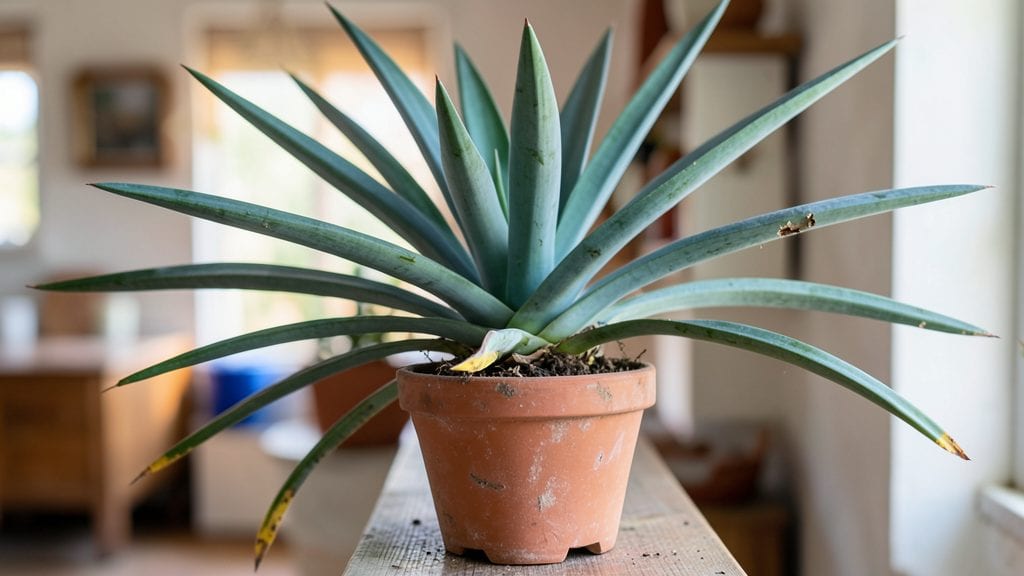
The garden yucca plants in my sunny corner have turned a dull patch into a lush, low-maintenance masterpiece with their bold, sword-like leaves. makes gardening feel effortless. The key is mimicking their natural desert habitat: well-draining soil, minimal water, and plenty of sunlight.
These drought-resistant perennials thrive in zones 4-10, making them versatile for most climates. You’ll need a spot with at least 6 hours of sun daily and soil that drains quickly—yuccas hate soggy roots.
Once established, they handle heat waves and drought like champions, though a little water during extreme dry spells keeps them looking their best.
By late summer, you’ll see tall flower spikes rising above the foliage, adding unexpected height and texture to your garden. The plants grow slowly but steadily, reaching 3-6 feet tall over time, and their sharp-edged leaves add drama without needing constant pruning.
Even better, they’re nearly pest-free and rarely need fertilizing.
Whether you’re filling a rocky slope, lining a pathway, or adding structure to a modern landscape, yuccas deliver year-round interest with almost no fuss. Here’s how to get started with the easiest care routine possible.
📚 In This Guide
- What you need
- Instructions
- Tips and common mistakes
- Wrapping up and next steps
What you need
- ● Yucca plants: 1–3 mature yucca plants (6–12 inches tall, depending on variety)
- ● OR 3–5 yucca pups (if propagating from an established plant)
- ● OR 1–2 packets of yucca seeds (if growing from scratch)
- ● Soil: 5–10 gallons of well-draining cactus/succulent mix (or amend garden soil with 50% perlite/sand)
- ● Planting tools: 1 trowel or hand shovel
- ● 1 garden fork (for loosening soil)
- ● 1 pair of pruning shears (for trimming dead foliage or pups)
- ● Mulch: 3–5 gallons of gravel or coarse sand (to prevent rot and improve drainage)
- ● Watering supplies: 1 watering can or hose with a gentle spray nozzle
- ● 1 slow-release fertilizer (balanced 10-10-10 or succulent-specific)
- ● 1 pair of gardening gloves (yucca spines can be sharp!)
- ● 1 plant label (to track varieties)
- ● 1 soil moisture meter (for monitoring drought conditions)
Step-by-Step instructions for planting and cultivating yucca plants
Yucca thrives with minimal fuss—here’s how to establish them for bold, drought-proof structure in your landscape.
Select and Prepare the Planting Site
Yucca demands full sun—at least 6-8 hours daily—and well-draining soil. Avoid low spots where water pools, as soggy roots invite rot. Test your soil by digging a 6-inch hole: if water sits for more than 30 minutes, amend with 2-3 inches of coarse sand or gravel mixed into the native soil. Yucca tolerates poor soil but grows best in sandy loam with a pH between 6.0 and 7.5.
Clear the area of weeds and loosen the soil to a depth of 12 inches with a garden fork. If planting in clay-heavy soil, incorporate 1 part perlite or pumice into the top 8 inches of amended soil. This ensures roots expand freely without suffocating. Mark the planting spot with a stake to avoid disturbing the area further.
Dig the Hole and Position the Yucca
Dig a hole twice as wide as the yucca’s root ball but no deeper—yucca roots are shallow and dislike being buried too deeply. The top of the root ball should sit flush with the surrounding soil level to prevent waterlogging. Gently remove the plant from its container, loosening any circling roots with your fingers.
Place the yucca in the hole, spacing multiple plants 3-5 feet apart to allow mature foliage to spread without crowding. For a dramatic focal point, group 3-5 plants in a cluster. Backfill the hole with the amended soil, pressing lightly around the edges to eliminate air pockets. Water deeply to settle the soil but avoid compacting it.
Water and Mulch for Establishment
After planting, water the yucca thoroughly—enough to moisten the soil 12 inches deep. Yucca is drought-tolerant once established, but new roots need 2-3 weeks of consistent moisture to anchor. Reduce watering to once every 10-14 days after the first month, allowing the top 2 inches of soil to dry between waterings. Overwatering is the fastest way to kill yucca.
Apply a 2-inch layer of gravel or decomposed granite around the base, extending 12 inches outward but keeping it 6 inches away from the trunk. This mulch mimics the plant’s native habitat, conserves moisture, and deters weeds. Avoid organic mulch like wood chips—it retains too much moisture and can rot the base.
Provide Ongoing Care and Monitor Growth
Yucca requires no fertilizer once established, but you can apply a balanced, slow-release granular fertilizer (10-10-10) in early spring if growth stalls. Scatter ½ cup per plant around the drip line and water deeply to activate. Prune dead or damaged leaves with clean, sharp pruners in late winter, cutting back to healthy tissue. Never remove more than one-third of the foliage at once.
Watch for scale insects or yucca moth larvae, which can defoliate plants. Treat infestations by wiping leaves with soapy water or applying neem oil in early morning to avoid harming pollinators. Yucca is generally pest-resistant, but stressed plants attract trouble—ensure full sun and minimal watering to keep it thriving.
Winter Protection for Cold Climates
Yucca handles USDA Zones 4-11, but young plants or cold-hardy varieties like Yucca glauca benefit from light winter protection in Zones 4-6. After the first hard frost, mound 4-6 inches of gravel or straw around the base, leaving the crown exposed. In Zones 7 and below, wrap the base with burlap for added insulation. Remove protective materials in early spring once temperatures consistently stay above 40°F.
Mature yucca rarely needs winter care, but if leaves show brown, crispy edges after a freeze, trim damaged areas back to fresh growth. The plant will rebound quickly in spring, producing new shoots from the base. Yucca’s resilience makes it a low-maintenance staple—once planted, it demands little beyond occasional pruning and drought tolerance.
Tips & tricks for perfect yucca plant cultivation
Yucca’s striking architectural form comes down to a few key details that make all the difference between a struggling plant and one that thrives for decades. These insights will help you avoid common pitfalls while maximizing your yucca’s natural drought resistance.
Soil Preparation is Non-Negotiable: The 6-8 hours of full sun requirement is well-known, but soil preparation often gets overlooked. In Step 1, when testing your soil’s drainage by digging that 6-inch hole, pay attention to how quickly water drains. If it takes more than 30 minutes, you’re dealing with compacted or clay-heavy soil that will suffocate yucca roots. The 2-3 inches of coarse sand or gravel you add isn’t just about drainage—it mimics the mineral-rich soils of yucca’s native desert habitats. For clay soils specifically, focus on the top 8 inches where roots will establish first, as deeper amendments become less effective over time.
Root Ball Handling Matters More Than You Think: In Step 2, when loosening circling roots from the container, don’t rush this process. Yucca roots are surprisingly delicate when disturbed, and tight root balls can strangle new growth. I’ve seen plants with perfect soil conditions fail because the roots were too tightly bound. After loosening, gently spread the roots outward in the planting hole—this encourages them to establish more quickly. The flush positioning with surrounding soil level is critical too; even a slight depression can cause water to pool around the base during rare rain events.
Watering Strategy Prevents Most Failures: The 2-3 week consistent moisture window in Step 3 is where most gardeners go wrong. While yucca is drought-tolerant once established, new roots need this precise window to anchor properly. After the initial thorough watering to 12 inches deep, let the top 2 inches dry completely before watering again. This mimics natural desert rainfall patterns where plants experience heavy soaking followed by long dry periods. Many gardeners overwater because they assume "drought-tolerant" means "never water"—the opposite is true during establishment.
Winter Protection Timing Saves Plants: In colder climates, the 40°F threshold in Step 5 is the absolute minimum for removing winter protection. I’ve seen yucca leaves show brown, crispy edges after premature removal because temperatures dipped back below 40°F overnight. Wait until you’ve had at least 5 consecutive days above 40°F before uncovering. For the gravel mound protection, use coarse river rock rather than fine gravel—it provides better insulation while allowing air circulation to prevent rot at the base.
Pro Tips for Garden Yucca Plants
- Yucca’s striking architectural form comes down to a few key details that make all the difference between a struggling plant and one that thrives for decades.
- Soil Preparation is Non-Negotiable: The 6-8 hours of full sun requirement is well-known, but soil preparation often gets overlooked.
- Root Ball Handling Matters More Than You Think: In Step 2, when loosening circling roots from the container, don’t rush this process.
Frequently asked questions
Got questions about growing garden yucca plants? You’re not alone! Here are some of the most common concerns—plus straightforward answers to help you cultivate these striking perennials with confidence.
How often should I water my yucca plant?
Yuccas are thriving drought-tolerant plants—overwatering is their biggest enemy! Water deeply every 2–3 weeks during the first year to establish roots, then reduce to once a month (or less in winter). Let the soil dry completely between waterings to prevent root rot. Pro tip: Mulch around the base to retain moisture and deter weeds.
When is the best time to plant yucca?
Plant yuccas in early spring or fall when temperatures are mild (50–75°F). Avoid extreme heat or frost, as young plants are sensitive. If planting in summer, water thoroughly and provide shade for the first few weeks to reduce stress. Container-grown yuccas can be planted year-round in warm climates.
What pests or diseases should I watch for?
Yuccas are generally pest-resistant, but keep an eye out for yucca moths (harmless pollinators), scale insects, or mealybugs. Treat infestations with neem oil or insecticidal soap. Fungal issues like root rot occur only with overwatering—ensure well-draining soil and avoid soggy conditions.
Can yucca survive freezing temperatures?
Most yucca species are hardy to USDA Zones 5–11, but cold sensitivity varies. Yucca filamentosa (Adam’s needle) tolerates down to 10°F, while Yucca gloriosa (Spanish dagger) prefers Zone 7+. In colder regions, mulch heavily or wrap the base with burlap for winter protection.
What plants pair well with yucca in a low-water garden?
Yuccas shine in xeric landscapes! Pair them with:
- Agave or aloe for bold succulent contrast
- Lavender or rosemary for fragrant companions
- Russian sage or black-eyed Susan for seasonal color
- Dwarf crested sage for ground cover
Why is my yucca turning yellow or brown?
Yellowing leaves often signal overwatering or nutrient deficiency. Brown tips? Likely sunburn (too much direct heat) or underwatering. Check soil moisture and adjust care. If leaves are soft or mushy, reduce water immediately—yuccas prefer dry conditions over soggy ones.
Wrapping up and next steps
Garden yucca plants are the ultimate low-maintenance superstars for adding drama, structure, and drought resistance to your landscape. Whether you're a seasoned gardener or just starting out, these hardy perennials offer year-round beauty with minimal fuss—just plant, water lightly, and enjoy their striking foliage and architectural charm. 🌵✨
Ready to transform your garden? Start by selecting the perfect yucca variety for your climate and soil, then grab your gloves and get planting! Watch your outdoor space thrive with this resilient, stylish addition—your future self (and your water bill) will thank you!