
Pests
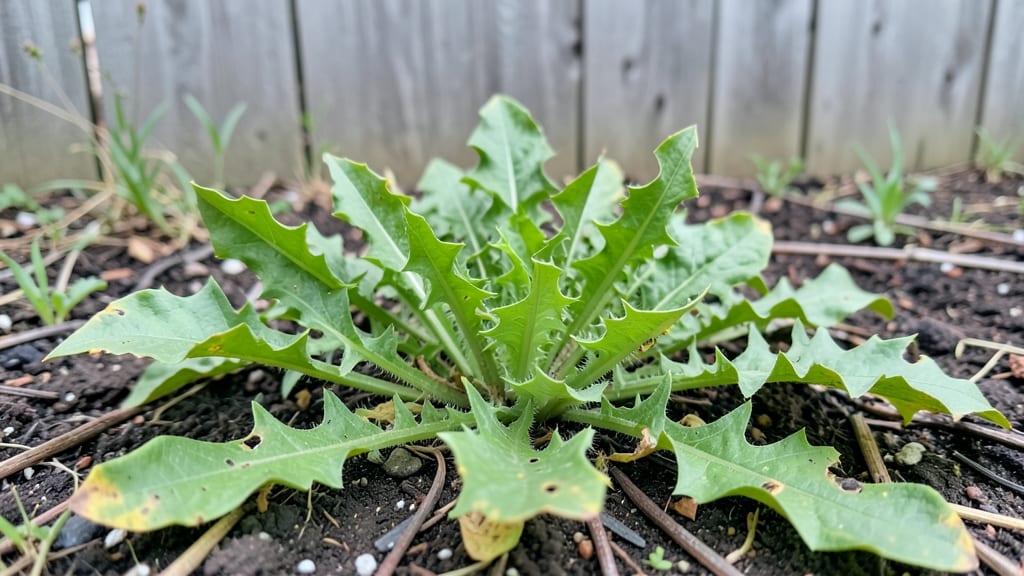
Garden weed leaves can become your secret weapon against unwanted plants—when you turn them into natural mulch that smothers weeds in just 2-3 weeks. 🌱 I learned this trick after spending hours pulling weeds that kept popping back up.
The key is understanding which leaves work best and how to use them properly.
Not all weed leaves make good mulch—dandelions and chickweed break down too fast, but thick-leaved weeds like lamb’s quarters or purslane create a dense mat that blocks sunlight.
Spread a 3-4 inch layer over garden beds, and you’ll see weeds wither within days. The best part? You’re recycling garden waste instead of tossing it.
This method works faster than pulling weeds by hand and eliminates regrowth for months. Your soil stays moist longer, and you avoid the backbreaking work of constant weeding. Plus, it’s a free, organic solution that even beginner gardeners can master in minutes.
Perfect for vegetable gardens, flower beds, or any area where weeds are a persistent problem. Once you try it, you’ll wonder why you didn’t start sooner—it’s that effective. Let’s get those weeds under control the easy way!
The Hidden Triggers Behind Weed Growth
Understanding why garden weed leaves thrive in your landscape is the first step to controlling them naturally. These unwanted plants don’t just appear out of nowhere—they respond to specific environmental and human-induced factors.
Below, we break down the key reasons weeds take over, so you can address the root causes (literally!) and reclaim your garden.
Weeds like crabgrass, dandelions, and chickweed flourish when sunlight is abundant because they’ve evolved to outcompete slower-growing plants. Here’s why:
- Sunlight = Energy Source: Weeds rely on photosynthesis to grow rapidly.
When your lawn or garden is bare, weeds seize the opportunity to soak up sunlight, producing more leaves and roots faster than grass or flowers. - Heat Amplification: In hot climates, soil moisture evaporates quickly, leaving weeds with a competitive edge.
Their deep or sprawling root systems help them survive drought better than shallow-rooted plants. - Shade-Loving Weeds: Conversely, some weeds (like bindweed or wild violet) thrive in low-light conditions because they’ve adapted to fill gaps where sunlight is limited.
Actionable Fix:
- Mulch strategically: Apply a 2–4 inch layer of organic mulch (like wood chips or straw) to block sunlight and conserve moisture.
- Plant ground covers: Dense plants like clover or creeping thyme outcompete weeds by shading the soil.
Watering habits play a huge role in weed proliferation. Here’s how:
- Weeds Love Moisture: Many weeds (such as nutsedge or plantain) germinate in wet soil because their seeds need consistent moisture to sprout.
Overwatering keeps the soil damp, creating the perfect breeding ground. - Poor Drainage = Weed Paradise: If your garden has compacted or clay-heavy soil, water pools in certain areas, encouraging weeds that tolerate soggy conditions. - Irrigation Inefficiency: Sprinklers that wet sidewalks or driveways can deposit weed seeds from neighboring areas, giving them a head start.
Actionable Fix:
- Water deeply but less often: Encourage deep root growth in desirable plants while making the soil less hospitable to shallow-rooted weeds.
- Improve drainage: Amend soil with compost or sand to prevent waterlogging.
- Use soaker hoses: Direct water to plant roots instead of spraying broadly, which can disperse weed seeds.
Weeds thrive in disrupted soil because their seeds lie dormant until the ground is disturbed. Common culprits:
- Tilling: While tilling aerates soil, it also buries weed seeds deeper, where they can germinate later.
Some weeds (like quackgrass) spread via rhizomes, which fragment when tilled, creating more plants. - Foot Traffic: Walking on lawns or gardens compacts soil, weakening grass and allowing weeds to push through. - Construction or Landscaping: Newly turned or graded soil exposes fresh weed seeds to sunlight and moisture, triggering a mass germination event.
Actionable Fix:
- Avoid tilling: Use no-till gardening or hand-pull weeds instead.
- Aerate compacted soil: Use a core aerator to relieve pressure and improve root growth in desired plants.
- Lay mulch or cardboard: Before planting, smother bare soil with cardboard + mulch to block light and prevent weed seeds from sprouting.
Weeds often outcompete plants because they’re nutrient opportunists. Here’s how soil factors contribute:
- High Nitrogen Levels: Weeds like clover or crabgrass respond aggressively to nitrogen-rich soil, which is common in lawns fertilized heavily.
They grow faster than grass, choking out desirable plants. - Low Organic Matter: Soil with little compost or decomposing material lacks the structure to support strong plant roots, leaving gaps for weeds to invade. - pH Imbalances: Some weeds (like lamb’s quarters) prefer alkaline soil, while others (such as wood sorrel) thrive in acidic conditions.
Testing your soil’s pH can reveal why certain weeds dominate.
Actionable Fix:
- Test your soil: Use a DIY soil test kit to check pH and nutrient levels.
- Add compost: Mix 2–3 inches of compost into the topsoil to improve structure and reduce weed seed viability.
- Choose slow-release fertilizers: Opt for organic, balanced fertilizers to avoid nitrogen spikes that favor weeds.
Weeds don’t just grow from existing plants—they hitchhike into your garden via:
- Wind: Lightweight seeds (like dandelion or thistle) travel miles, landing in cracks or bare spots.
- Water: Seeds float downstream or get carried by rain, settling in garden beds or gutters.
- Animals: Birds, squirrels, and even human shoes or tools transport seeds from one area to another.
- Contaminated Mulch or Soil: Some bagged mulch or topsoil contains weed seeds, which germinate when watered.
Actionable Fix:
- Create weed barriers: Lay landscape fabric under mulch to block emerging weeds (though organic mulch will eventually break it down).
- Inspect new soil amendments: Choose certified weed-free mulch and compost.
- Clean tools and shoes: Rinse gardening tools with soapy water and shake off dirt from shoes after working in infested areas.
When your garden has bare patches, weeds move in because there’s no competition. This happens when:
- Grass or plants are sparse: Thin lawns or newly planted beds leave open space for weeds to colonize.
- Slow-growing plants: Perennials or shrubs that take time to establish create temporary weed havens.
- Over-pruning or mowing too short: Stressing plants weakens their root systems, making them vulnerable to weed invasion.
Actionable Fix:
- Plant densely: Use fast-growing ground covers or interplant flowers to fill gaps quickly.
- Mulch heavily: A thick layer of straw or wood chips suppresses weeds by blocking light.
- Adjust mowing height: Keep grass at 3–4 inches to shade out weeds and strengthen roots.
Weeds don’t act alone—they exploit weaknesses in your garden’s ecosystem. By addressing sunlight, water, soil, and competition, you disrupt their life cycle and create an environment where desirable plants thrive instead.
Pro Tip: 💡 Prevention is easier than eradication—focus on mulching, proper watering, and soil health to starve weeds out before they start!
Quick Fixes for Stubborn Garden Weed Leaves
Tired of battling those tenacious garden weed leaves that keep popping up despite your best efforts? The good news is that with the right approach, you can reclaim your garden’s beauty—naturally and effectively.
Below, we’ve mapped out practical solutions tailored to common causes of weed leaf dominance, along with prevention tips to keep them at bay for good.
Cause: Compacted or bare soil gives weeds the perfect opportunity to sprout and thrive. Fix: Use thick, natural mulch to block sunlight and suffocate weed seeds before they germinate.
- 🔥 Step 1: Clear Existing Weeds Pull up any mature weeds by the roots (wear gloves!). If they break off, use a hoe or hand weeder to remove as much of the root system as possible.
- 🍳 Step 2: Apply a 3-4 Inch Mulch Layer Spread straw, wood chips, or shredded leaves evenly over the soil. For extra weed-blocking power, layer cardboard or newspaper underneath (avoid glossy paper—it can repel water).
- 👨🍳 Step 3: Keep Mulch Fresh Refresh mulch every 6–12 months, especially in high-traffic or erosion-prone areas. A living mulch (like clover) can also outcompete weeds while adding nutrients to the soil.
💡 Pro Tip: Avoid piling mulch against tree trunks—it can trap moisture and invite rot. Keep it 2–3 inches away from bark.
Cause: Overwatering or poor drainage creates the perfect conditions for weeds to flourish. Fix: Adjust irrigation and improve soil aeration to discourage weed growth.
- 🔪 Step 1: Check Your Watering Habits Most weeds thrive with frequent, shallow watering. Switch to deep, infrequent watering (1–2 times per week) to encourage deeper plant root growth and discourage weed seeds from germinating.
- ⏰ Step 2: Improve Soil Drainage Amend heavy or clay-like soil with compost or sand to help water drain faster. For container gardens, ensure pots have drainage holes and avoid saucers that trap excess water.
- 🌡️ Step 3: Use Drought-Tolerant Ground Covers Plant creeping thyme, clover, or moss in problem areas. These plants compete with weeds for water and nutrients while adding texture to your garden.
🎯 Prevention Hack: Install a drip irrigation system to deliver water directly to plant roots, reducing surface moisture where weeds love to grow.
Cause: Fertile soil attracts weeds by providing them with easy access to nutrients. Fix: Adjust fertilization and soil health to favor your plants over weeds.
- 📊 Step 1: Test Your Soil Use a DIY soil test kit to check pH and nutrient levels. Weeds often love nitrogen-rich soil—balance it with phosphorus and potassium for stronger, competitive plants.
- 💪 Step 2: Feed Your Plants, Not the Weeds Use slow-release, organic fertilizers (like compost or bone meal) instead of quick-acting synthetic ones. This gives your plants a steady nutrient supply while starving weeds.
- 🥗 Step 3: Plant Competitive Vegetation Ground covers (like vinca or ajuga) or dense perennials can outcompete weeds by shading the soil and absorbing excess nutrients.
✨ Bonus: Corn gluten meal (a natural pre-emergent) can be sprinkled in early spring to prevent weed seeds from sprouting while adding nitrogen to the soil.
Cause: Empty patches in lawns or garden beds leave room for weeds to invade. Fix: Fill gaps with fast-growing, weed-resistant plants or temporary covers.
- 🌱 Step 1: Seed Bare Areas Immediately For lawns, use fast-growing grass seed or a clover-grass mix to outcompete weeds. For garden beds, try microgreens or cover crops like buckwheat.
- 🍎 Step 2: Use Temporary Weed Barriers If planting isn’t an option, lay down landscape fabric (with holes for existing plants) or biodegradable weed mats until you’re ready to fill the space.
- 🔄 Step 3: Rotate Plantings Avoid planting the same crops in the same spot yearly—this depletes soil and leaves room for weeds. Crop rotation keeps soil healthy and weeds guessing.
To keep garden weed leaves in check without constant battling, follow these easy maintenance tips: ✅ Mulch regularly (3–4 inches) to block sunlight. ✅ Water deeply but less frequently to discourage weed seeds. ✅ Pull weeds early—they’re easier to remove when young! ✅ Encourage beneficial insects (like ladybugs) that feed on weed seeds. ✅ Plant densely—crowded plants leave less room for weeds to take hold.
With these targeted fixes, you’ll transform your garden from a weed magnet into a lush, low-maintenance oasis—naturally! 🌿✨
Frequently asked questions
Can I use any type of garden leaves as mulch to smother weeds?
Not all leaves work equally well for weed suppression. Thick, broad leaves like those from lamb's quarters or purslane create a dense mat that blocks sunlight effectively. Avoid fine leaves like dandelion or clover—they break down too quickly. For best results, chop leaves into smaller pieces first to speed up decomposition and create a thicker layer.
How long does it take for mulched weed leaves to kill existing weeds?
With a 3-4 inch layer of thick-leaved mulch, you'll typically see visible weed decline within 1-2 weeks. Complete suppression may take 4-6 weeks, depending on sunlight intensity and leaf thickness. The key is maintaining consistent coverage—don't let gaps form where weeds can regrow.
Will mulching with weed leaves harm my plants or soil?
No, when done properly, it actually benefits your garden. Weed leaves add organic matter as they decompose, improving soil structure. Just avoid using leaves treated with herbicides or pesticides. For extra safety, mix weed leaves with compost or other organic mulches to balance nutrients and prevent potential nitrogen spikes.
What's the best time of year to apply weed leaf mulch?
The ideal time is early spring or late fall when weeds are either just starting to grow or becoming dormant. This gives you the longest suppression period before weeds can establish. In warm climates, you can apply mulch year-round, but aim for periods when rainfall is more consistent to help the mulch settle properly.
How do I know if my weed leaves are too dry or too wet for mulching?
Weed leaves should be partially dry but not brittle—think of them like slightly damp newspaper. If they crumble easily, they're too dry and won't create a good barrier. If they're still dripping wet, they'll compact and create anaerobic conditions that can harm plants. Spread them out to air dry for 1-2 days before applying as mulch.