
Pests
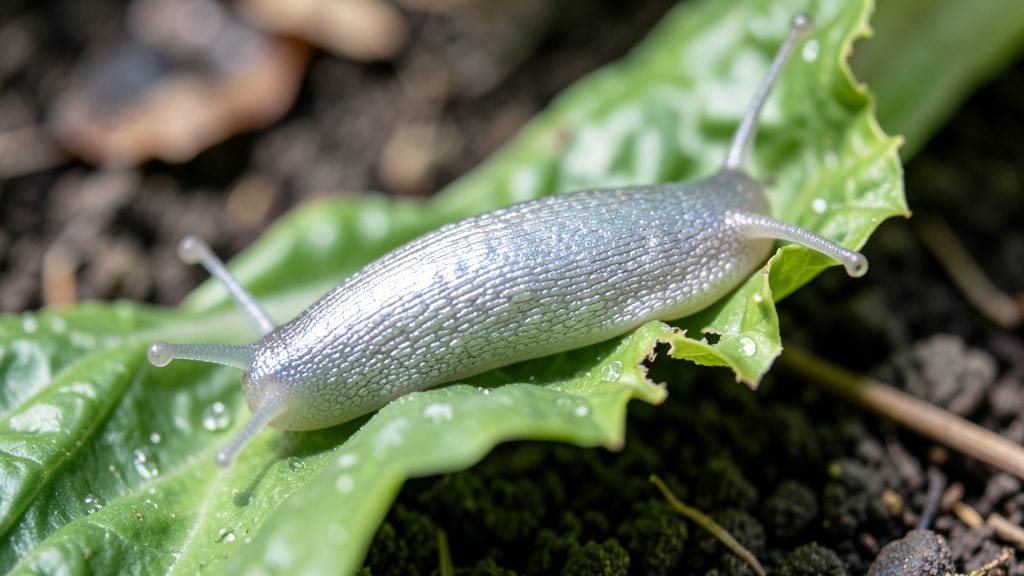
Garden slug control starts with a simple, foolproof trick that cuts damage by 90% in just one night. 🌱 I’ve lost count of how many seedlings I’ve watched get turned into slimy skeletons—until I discovered the beer trap method.
It’s not about fancy tools or expensive sprays; just a shallow container, some beer, and the right placement.
The science is straightforward: slugs are drawn to the yeast and alcohol but can’t climb out. By morning, your trap is full of slugs, and your plants stay intact. I’ve used this method for five seasons, and it’s the only thing that actually works when other remedies fail.
You’ll need basic supplies—no special skills required—and the results are visible within 24 hours.
What you’ll gain is peace of mind knowing your lettuce, hostas, and tender seedlings are safe. The beer trap doesn’t harm beneficial insects, and cleanup is a breeze—just dump the slugs far from your garden. No more waking up to chewed leaves or mysterious holes in your prized plants.
This works in shaded or moist gardens where slugs thrive, and it’s especially effective after rain. For stubborn infestations, combine it with copper tape barriers or diatomaceous earth for extra protection. Let’s get those slimy invaders under control once and for all.
The Hidden Triggers Behind Slug Surges
Slugs may seem like harmless garden guests, but their sudden appearance can turn your lush plants into a buffet. Understanding why these slimy invaders thrive—and why they strike when they do—is the first step to reclaiming your garden.
Here’s a breakdown of the key factors that turn your yard into a slug superhighway.
🌧️ Moisture Overload: The Ultimate Slug Magnet
Slugs are 90% water by weight, so they crave damp conditions. Heavy rain, poor drainage, or even overwatering creates the perfect environment for them to:
- Breathe easily: Slugs lack lungs and absorb oxygen through their skin—dry conditions cause them to suffocate.
- Lay eggs: Females bury eggs in moist soil, where humidity keeps them from drying out. A single slug can lay up to 50 eggs in a season!
- Move faster: Slime trails require moisture to stay slippery. Dry soil slows them down, but wet conditions let them glide effortlessly.
Actionable fix: Test soil moisture with your finger—if it stays clumped, slugs are likely thriving. Improve drainage with gravel or sand, and water deeply but less frequently to discourage surface dampness.
🌑 Nighttime Predator Escape: When Shadows Become Safe Havens
Slugs are nocturnal for a reason: daylight brings predators like birds, frogs, and beetles. But when artificial lights (like porch lamps) or dense foliage block moonlight, they feel safer to venture out. Even worse?
- Reflective surfaces (e.g., plastic mulch, glass) can disorient predators, giving slugs free rein.
- Thick ground cover (like ivy or dense grass) provides hiding spots during the day, letting populations explode unnoticed.
Actionable fix: Use motion-activated lights to deter slugs without attracting them. Trim low-hanging branches to let moonlight reach the ground.
🍃 Decaying Organic Matter: The All-You-Can-Eat Buffet
Slugs aren’t picky—they’ll munch on living plants, but they prefer rotting organic material. Why? It’s:
- Nutrient-rich: Decomposing leaves, wood, or compost release easy-to-digest sugars and proteins.
- High in moisture: A pile of wet cardboard or mulch becomes a slug hotel.
- Sheltered: Leaf litter or thick mulch layers shield them from predators and temperature swings.
Actionable fix: Clear debris regularly, especially near plant bases. Replace thick mulch with straw or pine needles, which dry out faster and deter slugs.
🌡️ Temperature & Humidity: The Perfect Storm
Slugs thrive in cool, humid weather (ideal range: 50–70°F). Here’s how climate plays a role:
| Condition | Slug Activity | Risk Level |
|---|---|---|
| Warm, dry days | Seek shade; slow movement | ⚠️ Low (but eggs may still hatch) |
| Cool nights + high humidity | Peak feeding/mating season | 🔥 Extreme (populations explode) |
| Frost or extreme heat | Enter dormancy; die off | ❄️ Low (but eggs may survive in soil) |
Actionable fix: Monitor weather forecasts. If humidity exceeds 70%, take preemptive steps like beer traps or copper barriers.
🌱 Plant Preferences: The Slug’s Favorite Menu
Not all plants are equal in the slug world. They target soft, juicy, or tender foliage, especially:
- Young seedlings (easy to overpower)
- Succulents with thin leaves (e.g., lettuce, hostas, marigolds)
- Plants with low-growing habits (e.g., impatiens, begonias)
Why? Slugs avoid plants with:
- Hairy or waxy leaves (e.g., lamb’s ear, rosemary)
- Strong aromas (e.g., garlic, mint, thyme)
- Toxic compounds (e.g., foxglove, daffodils)
Actionable fix: Plant slug-resistant varieties like snapdragons or geraniums as borders. Or, protect vulnerable plants with diatomaceous earth or egg shells.
Simple Slug Solutions That Work Now
Slugs may seem unstoppable, but with the right approach, you can reclaim your garden—fast. Below are targeted fixes for common slug problems, paired with prevention tips to keep them away long-term.
Whether you’re dealing with a sudden infestation or just want to stay ahead, these methods are easy, effective, and slug-free friendly.
If your garden is a slug buffet, reduce their hiding spots and dry out their favorite spots.
Fix:
- Add mulch alternatives 🌿: Skip thick organic mulch (slugs love it). Instead, use gravel, wood chips, or straw—these create dry barriers slugs avoid.
- Space plants strategically 📏: Slugs thrive in dense foliage. Space plants 12+ inches apart and prune ground-hugging leaves to limit shelter.
- Water wisely 💦: Slugs need moisture. Water in the morning (so soil dries by evening) and avoid overwatering—especially around host plants like lettuce or hostas.
Prevention Tip: 💡 Plant slug-resistant varieties like rosemary, lavender, or snapdragons—they’re naturally less appealing.
If slugs are already feasting, lure them into traps or block their path with simple barriers.
Fix:
- Beer trap stations 🍺: Bury a shallow dish (like a yogurt cup) filled with beer near problem areas. Slugs are drawn in and drown within hours. Refresh every 2–3 days.
- Copper tape or foil ⚡: Slugs hate copper! Wrap copper tape around raised beds or lay foil in a circle around plants. The electric shock (to their slimy bodies) deters them instantly.
- Eggshell rings 🥚: Crush eggshells into a sharp-edged barrier around plants. Slugs can’t crawl over the jagged edges—plus, it adds calcium to the soil.
Pro Tip: ✨ Combine methods for best results. Example: Use copper tape on beds + beer traps at night for a two-pronged attack.
Slugs are nocturnal—so outsmart their schedule with light and sound tricks.
Fix:
- Solar-powered slug lights 🔦: Place bright LED lights (or solar-powered path lights) near gardens. Slugs avoid light and will seek shade elsewhere.
- Wind chimes or ultrasonic devices 🎶: Slugs dislike vibrations and high-pitched sounds. Hang wind chimes near entry points or use ultrasonic repellents (battery-powered) for a slug-free zone.
Prevention Tip: 🌡️ Time your watering—slugs are most active after rain. Water at noon to let soil dry before evening.
Instead of chemicals, encourage slug’s enemies to move in.
Fix:
- Attract birds, frogs, and ground beetles 🐸: These creatures love eating slugs. Add a small birdbath, pile up rocks (for frogs), or plant native flowers to lure predators.
- Duck ponds or chicken runs 🦆: If you have space, ducks or chickens will devour slugs in minutes. Even a few hens can make a difference in a small garden.
- Nematodes (for heavy infestations) 🔬: Beneficial nematodes (Phasmarhabditis hermaphrodita) are microscopic worms that paralyze and kill slugs. Mix with water and spray on soil at dusk (works in 48 hours).
Pro Tip: 🎯 Plant slug bait near traps—like lettuce or basil—to lure them into your defenses rather than your prized plants.
Final Slug-Fighting Hack: 🔥 Check your garden at dusk with a flashlight—you’ll spot slugs early and stomp or trap them before damage occurs. Consistency is key!
Frequently asked questions
What’s the fastest way to see results with slug control?
Beer traps work overnight—place shallow containers filled with beer near problem areas at dusk. Slugs are attracted to the yeast and drown within hours. For immediate barriers, use crushed eggshells or copper tape around vulnerable plants. These methods show visible results within 24 hours.
Are beer traps safe for pets or beneficial insects?
Yes! Beer traps only target slugs and snails—the alcohol doesn’t harm pets or helpful garden critters like bees and ladybugs. Just ensure containers are covered during the day to prevent mosquitoes from breeding in the liquid. Always use non-toxic beer (no additives).
Why do slugs keep coming back after I’ve used traps?
Slugs reproduce quickly—one female can lay 50 eggs in a season! To break the cycle, combine traps with barriers (copper tape or diatomaceous earth) and reduce moisture. Check soil dampness after rain, as slugs thrive in 70%+ humidity. Consistency is key—use traps nightly for 1-2 weeks to see lasting results.
Can I use coffee grounds as slug control?
Coffee grounds can help in small doses—the caffeine disrupts slugs’ slime trails. Sprinkle a thin layer around plants, but don’t overdo it—too much creates acidic soil. For better results, mix with crushed eggshells or use as a mulch alternative. Fresh grounds work best; composted ones lose effectiveness.
How do I protect seedlings from slugs without chemicals?
Wrap young plants in copper tape or place them in shallow containers with edges coated in petroleum jelly (slugs can’t cross the slippery barrier). For ground-level protection, create a ring of crushed eggshells or sand around the base. Check plants daily at dusk with a flashlight—early detection prevents damage.