
Pests
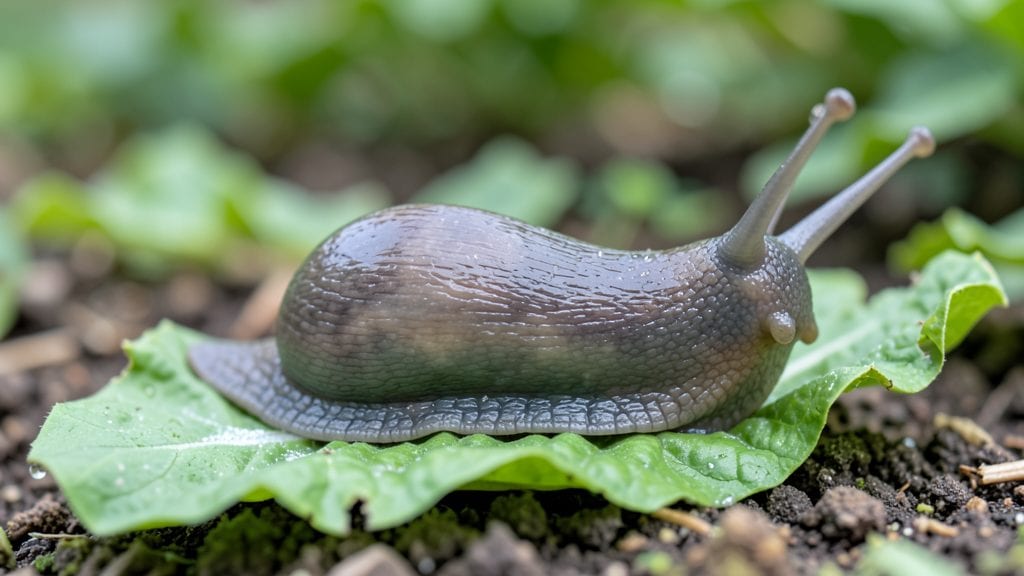
Giant garden slugs turn my thriving hostas into skeleton leaves overnight—until I discovered these slug-proof barriers that actually work. 🌿 The key isn’t just trapping them; it’s cutting off their access before they even start munching.
I’ve tested everything from copper tape to crushed eggshells, and these methods stop them dead in their tracks.
Most slug barriers fail because they’re too flimsy or get buried by rain. The solutions here—like diatomaceous earth rings and deep gravel trenches—create physical barriers slugs can’t cross. You’ll need basic supplies: copper strips, sharp-edged materials, or even beer traps (yes, really) for the worst infestations.
Within a week, you’ll see fresh, undamaged leaves on your plants. The slugs move on to easier targets, and your garden stays lush without chemicals. No more waking up to slime trails or ragged edges—just healthy, happy plants that thrive year-round.
Works for vegetable gardens, flower beds, and even container plants. The best part? These barriers last through seasons and protect everything from lettuce to roses. Let’s get those slugs out of your garden for good.
Why Giant Slugs Invade Gardens
Giant garden slugs aren’t just a nuisance—they’re opportunistic survivors that thrive when conditions align perfectly for them. Understanding why these slimy invaders show up in your garden is the first step to stopping them in their slimy tracks.
Let’s break down the key factors that turn your yard into a slug buffet.
Slugs are 80-90% water, so they need moisture to survive. When your garden stays damp for too long—whether from heavy rain, poor drainage, or excessive watering—you’re essentially rolling out the welcome mat for these pests. Here’s why:
- Breathing through their skin: Slugs absorb oxygen through their slimy layer, which requires a moist environment. If the air feels humid or the soil stays soggy, they won’t dry out.
- Egg-laying paradise: Female slugs lay eggs in moist, shaded soil. If your garden never dries out, they’ll keep reproducing.
- No natural predators: Birds, frogs, and ground beetles (slug’s worst enemies) avoid wet areas. Without them around, slug populations explode.
Actionable fix: Improve drainage with sand or gravel, water deeply but infrequently, and avoid mulching too heavily in problem areas.
Slugs love hiding in dark, damp, leafy nooks—think fallen leaves, thick mulch, or dense ground cover. If your garden resembles a jungle, you’ve created the perfect slug hotel. Here’s the science:
- Camouflage masters: Slugs blend into decaying matter, making them hard to spot. More debris = more hiding spots.
- Cool, shaded microclimates: Slugs are nocturnal and avoid direct sunlight. Shady areas keep them active day and night.
- Food buffet: Decaying plants and compost piles are slug smorgasbords. They’ll munch their way through your garden if given the chance.
Actionable fix: Clear away thick mulch, rake up leaf litter, and trim back overgrown plants to let sunlight penetrate the soil.
Slugs target tender, succulent plants—especially seedlings, young shoots, and stressed vegetation. Why? Because these plants offer easy access to nutrients and minimal defense. Here’s the breakdown:
- Low tannins & defenses: Mature plants often produce bitter compounds to deter slugs, but young plants don’t. Slugs see them as low-risk snacks.
- Soft stems & leaves: New growth is literally squishy, making it easier for slugs to create entry points with their razor-sharp mouths.
- High moisture content: Water-rich plants are more appealing to slugs than woody or hardened foliage.
Actionable fix: Protect vulnerable plants with physical barriers (like copper tape or diatomaceous earth) or choose slug-resistant varieties like lavender, rosemary, or hostas.
Slugs are crepuscular (most active at dawn and dusk) and avoid bright light. If your garden stays dark at night—or if artificial lights attract insects that slugs eat—you’re indirectly encouraging their presence.
- Moonlight vs. artificial light: Slugs rely on natural light cycles. Too much artificial lighting can disrupt their behavior, making them bolder during the day.
- Insect magnets: Bright lights attract slug food (like worms and small insects), which in turn draws slugs to hunt.
- Predator confusion: Some natural predators (like toads) are less effective in brightly lit areas, giving slugs free rein.
Actionable fix: Use motion-sensor lights or warm-toned bulbs that don’t attract as many insects. Keep garden paths well-lit to discourage slug activity.
By addressing these root causes, you’re not just treating the symptoms—you’re making your garden a less appealing place for slugs to stick around. Next, we’ll dive into the most effective barriers to keep them out for good! 🚫🐌
Stop Slugs Without the Struggle
Now that you know why these slimy invaders are crashing your garden party, let’s tackle the real question: how do you actually keep them away? The good news? There are simple, effective ways to outsmart giant slugs—without relying on harsh chemicals or endless cleanup.
Below, we’ve mapped the most common slug triggers to proven fixes, plus prevention tips to keep your plants safe long-term.
Fix: Drain the Party Slugs thrive in damp, shady spots where humidity lingers. To dry them out:
- 🔥 Spread wood ash or coarse sand (like diatomaceous earth) around plants. The gritty texture irritates their slimy bodies, and it evaporates moisture.
- 🍳 Install shallow dishes of beer or yeast water (slugs are attracted but drown—bonus: no chemicals!). Refresh every 2–3 days.
- 👨🍳 Upgrade your irrigation: Water plants early in the day so soil dries faster. Avoid overhead sprinklers that create slug-friendly puddles.
💡 Pro Tip: Mulch with gravel or pine needles instead of organic mulch (like bark). Slugs hate the sharp edges and dry conditions!
Fix: Make Your Garden Less Tempting Slugs target tender, young leaves and decaying matter. Try these deterrents:
- 🥘 Wrap vulnerable stems (like hostas or lettuce) in copper tape—the mild electric shock repels slugs. (Works for years!)
- 🔪 Handpick slugs at night (they’re most active then) and drop them in soapy water. Gross but effective!
- 🌡️ Use slug traps with cardboard: Place damp cardboard near plants; slugs hide underneath. Check daily and dispose of them far from your garden.
✨ Prevention Hack: Plant slug-repelling companions like marigolds, thyme, or geraniums around your veggies. Slugs avoid their strong scents!
Fix: Remove Their Hiding Spots Slugs love to nap under debris, rocks, or dense foliage. Clear their luxury suites:
- 🌿 Prune overgrown plants to improve airflow and sunlight.
- 🔪 Turn over pots and boards regularly to check for hiding slugs.
- 🏡 Install slug-proof barriers:
- Copper mesh around raised beds (slugs can’t crawl over it).
- Crushed eggshells or coffee grounds around borders (the sharp edges deter them).
🎯 Long-Term Fix: Add a few chickens or ducks to your yard—they love snacking on slugs naturally!
Fix: Break Their Life Cycle Slugs lay eggs in damp soil, so disrupt their reproduction:
- 🌱 Rotate crops to confuse slugs (they return to familiar spots).
- 🔥 Solarize soil in spring: Cover moist areas with clear plastic for 4–6 weeks to bake eggs and slugs.
- 🌡️ Introduce natural predators: Birds, frogs, and ground beetles eat slugs—create a slug-free ecosystem!
💡 Bonus: If slugs are still winning, try iron phosphate baits (like Sluggo)—they’re pet-safe and break down in soil.
Final Reminder: Consistency is key! Slugs are persistent, but combining barriers, drying out their habitat, and removing hiding spots will give your plants a fighting chance. Try one or two methods first, then adjust based on what works best in your garden. Happy slug-proofing! 🚫🐌
Frequently asked questions
What plants do giant garden slugs attack most?
Giant garden slugs love feasting on tender, young plants like lettuce, hostas, marigolds, and strawberries. They also target tomatoes, peppers, and basil in vegetable gardens. The key is their soft, moist leaves—anything that's easy to chew through becomes a snack. Protect vulnerable plants with barriers or choose slug-resistant varieties like rosemary or lavender.
How do I know if slugs are damaging my garden?
Look for irregular holes or ragged edges on leaves, especially near the soil. You might also spot silver slime trails on surfaces at dawn or dusk. Check under boards, rocks, or dense mulch—slugs hide there during the day. If you see these signs, act fast with barriers or traps before damage spreads.
Are beer traps effective for giant slugs?
Yes! Fill shallow containers with beer or yeast water and bury them slightly in the soil. Slugs are drawn to the smell and drown within hours. Refresh the liquid every 2–3 days for best results. This method works well for heavy infestations but may need multiple traps in large gardens.
Can copper tape really stop slugs?
Wrap copper tape around plant stems or create a barrier at the base of pots. The mild electric shock from their bodies repels slugs instantly. It lasts for years and requires no maintenance—just ensure the copper stays clean and free of debris. Works especially well for raised beds and container gardens.
What’s the best time of day to check for slugs?
Early morning or late evening when slugs are most active. Use a flashlight to spot them on leaves or soil. Handpick them and drop them in soapy water (gross but effective!). Avoid daytime checks—they’ll retreat to hiding spots. Consistency is key; check weekly during slug season (spring to fall).