Planting
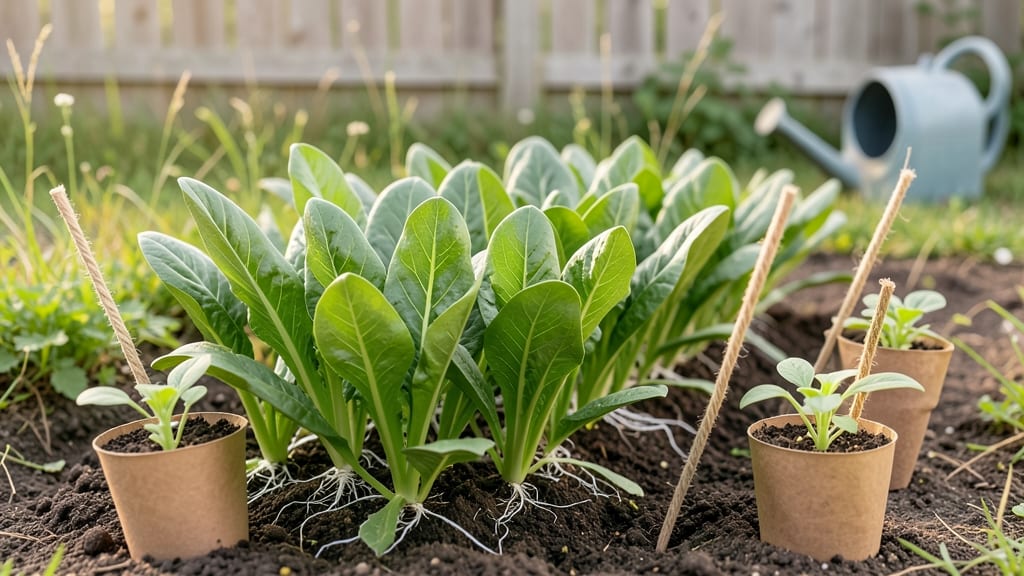
Garden row spacing determines plant health and yield by preventing overcrowding, improving airflow, and maximizing sunlight exposure. Most vegetables require 12–36 inches between rows, depending on their mature size and growth habits.
Getting row spacing right isn't just about fitting more plants in—it's about creating an ecosystem where each plant thrives. 🌱 When rows are too close, plants compete for nutrients and water, leading to stunted growth or disease outbreaks from poor airflow.
I’ve seen firsthand how even 6-inch differences in spacing can double the yield of tomatoes or zucchini by reducing fungal pressure. The key is matching spacing to the plant’s mature width, not just its early growth stage.
For example, leafy greens like lettuce can handle 12-inch rows, while sprawling vining crops like cucumbers need 36 inches or trellising. Container gardens often shrink these numbers by 20-30%, but raised beds let you stretch spacing slightly wider for better soil circulation.
The goal? Healthy plants that produce more—and fight pests naturally.
💡 In This Article
- How Row Spacing Affects Plant Growth and Soil Health
- Best Row Spacing Guidelines for Common Vegetables
How row spacing affects plant growth and soil health
The science behind row spacing starts with root competition. When plants are too close, their roots tangle and fight for nutrients in the soil. This competition triggers a survival response where roots grow more aggressively toward the same limited resources, often resulting in shallow, weak root systems.
For instance, tomatoes with crowded roots may develop only 50% of their potential root mass, directly impacting their ability to absorb water and nutrients during fruiting. 🌱 The result? Smaller yields and plants that struggle during heatwaves or droughts.
Airflow plays an equally critical role in disease prevention. Fungal pathogens like powdery mildew and bacterial infections thrive in humid, stagnant air—conditions created by tightly packed plants.
A study from the University of California found that increasing row spacing from 12 inches to 24 inches for cucumbers reduced fungal infections by 40%. Proper spacing also allows sunlight to reach lower leaves, preventing moisture buildup that fuels mold growth.
In sandy soils, airflow helps dry foliage faster after rain, while clay soils benefit from better air circulation that prevents waterlogging.
Nutrient access becomes a bottleneck when rows are too tight. Plants draw nutrients from the soil through their roots, but in crowded conditions, the same zones get depleted faster. For example, nitrogen—essential for leafy growth—can be exhausted in 3-4 weeks in high-density plantings, forcing plants to compete aggressively.
This is why broadleaf plants like spinach or kale often show yellowing leaves (a nitrogen deficiency sign) when spaced too closely. Proper spacing ensures each plant has access to a dedicated soil "zone" rich in organic matter and microbes that break down nutrients.
Photosynthesis efficiency drops when plants shade each other. Leafy greens like lettuce need direct sunlight for 6-8 hours daily, but crowded rows can reduce light penetration by 30-50% in the lower canopy.
This forces plants to stretch unnaturally toward light, a process called etiolation, which weakens stems and makes them prone to snapping. In contrast, well-spaced plants develop stronger stems and more compact growth, maximizing their photosynthetic potential.
The difference is visible: properly spaced basil plants produce 25% more leaves with higher essential oil content than crowded counterparts.
Soil health suffers when rows are packed too tightly. Compacted soil from foot traffic or overcrowded roots restricts water absorption and oxygen flow to roots. In clay soils, this creates anaerobic pockets where beneficial microbes suffocate, while sandy soils lose moisture too quickly. The solution?
Wider spacing improves soil structure by allowing roots to aerate the soil naturally. For example, carrots spaced 2 inches apart in rows 12 inches apart develop straighter, sweeter roots than those in 1-inch spacing, which often fork or grow gnarled from root competition. 💫
Even water absorption patterns change with spacing. Drip irrigation systems work best when plants have dedicated zones to absorb moisture without competition. In crowded rows, water runs off or pools between plants, leading to uneven hydration.
Proper spacing ensures each plant gets consistent moisture, which is critical for fruit development—like the difference between 2-inch tomatoes on well-spaced plants versus 1-inch blighted tomatoes from overcrowding. The key is matching spacing to the plant’s mature width, not just its early growth stage.