
Tools
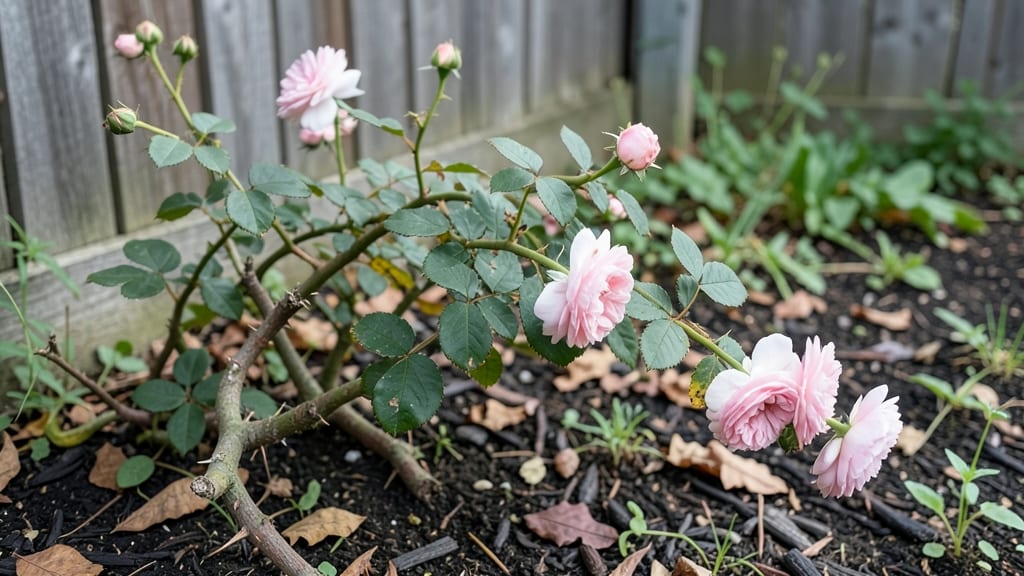
Blush roses bring dreamy romance to any garden with their soft pink petals and intoxicating scent. ✨ I fell for them after seeing how they transformed a plain front yard into a storybook setting—layered with ivy and climbing over an arbor, they became the centerpiece.
The key isn’t just planting them; it’s arranging them like a painter uses color, pairing their delicate hues with deep greens, purples, or even white for contrast.
These roses thrive in full sun to partial shade and love well-draining soil—think of them as divas that reward attention with blooms from spring through frost. For cottage gardens, tuck them alongside peonies and delphiniums; for modern designs, pair them with boxwoods or ornamental grasses.
Containers work too, letting you move them to catch sunlight or create seasonal displays on patios.
Imagine walking through your garden in June, petals brushing your arm as the fragrance lingers in the air. Blush roses soften harsh lines, add texture, and create focal points whether planted in drifts, climbing trellises, or as standalone specimens.
The secret to keeping them lush? Regular deadheading and a balanced fertilizer—simple steps that pay off in nonstop blooms.
They’re equally at home in formal borders or wildflower meadows, proving their versatility. Start small with a single bush to test your space, then expand—your garden will thank you for the effortless elegance they bring.
📚 In This Guide
- What you need
- Instructions
- Tips and common mistakes
- Wrapping up and next steps
What you need
- ● Rose Bush: A garden rose blush variety (e.g., 'Blush Noisette,' 'Blush Knock Out,' or 'Blush David Austin'). Choose a healthy, disease-resistant plant from a nursery.
- ● Well-draining soil: 5-10 bags of garden loam or rose-specific potting mix (avoid heavy clay).
- ● Compost: 1-2 cubic feet of organic compost to enrich the soil.
- ● Fertilizer: A balanced rose fertilizer (10-10-10 or 5-10-5 NPK ratio) or organic rose food (like fish emulsion or bone meal).
- ● Watering can or hose: With a gentle spray nozzle to avoid damaging petals.
- ● Mulch: 2-3 bags of wood chips or straw mulch to retain moisture and suppress weeds.
- ● Pruning shears: Sharp, bypass-style shears (sterilized with rubbing alcohol).
- ● Stakes or trellis: 2-4 metal or wooden stakes (4-6 feet tall) or a rose trellis for climbing varieties.
- ● Garden gloves: Heavy-duty, cut-resistant gloves to protect your hands.
- ● Soil pH tester: To ensure your soil is slightly acidic (pH 6.0-6.5).
- ● Rose food spikes: Slow-release fertilizer spikes for convenience.
- ● Pest control: Neem oil or insecticidal soap for aphids/beetles.
- ● Drip irrigation system: For automated, deep watering (ideal for hot climates).
- ● Decorative accents: Garden ornaments, pebbles, or solar lights to enhance the blush rose’s charm.
- ○ Rose pruning saw: For thicker stems (optional but helpful for mature bushes).
Step-by-step guide to cultivating a year-round rose blush garden
Here's how to keep your roses blooming and fragrant through every season with minimal fuss.
🌱 Step 1: Choose the Right Rose Varieties for Continuous Blooms
Select four hybrid tea roses or four floribunda roses known for their hardiness and repeat blooming. 'Knock Out' roses are perfect for their disease resistance and prolific flowers, while 'Double Delight' delivers stunning blush blooms. I always pick varieties that thrive in my USDA zone (check yours) and match your sunlight conditions.
Plant your roses in early spring or fall, giving them 6-8 weeks to establish roots before winter. Space them 3-4 feet apart to allow airflow and prevent fungal diseases. The key here is choosing varieties that naturally rebloom—this saves you from constant deadheading and keeps flowers coming.
🪴 Step 2: Prepare the Planting Site for Optimal Growth
Amend your soil with 3 gallons of compost mixed into the top 12 inches of soil. Roses love well-draining soil with a pH of 6.0-6.5. If your soil is heavy clay, add 1 gallon of perlite to improve drainage. I dig a hole twice as wide as the root ball but only as deep—planting too deep suffocates the roots.
Place each rose in the hole, ensuring the graft union (the bulge near the base) sits 2 inches above soil level. This prevents it from being buried too deep, which can cause rot. Backfill with soil and water deeply to settle everything. The goal is firm but not compacted soil around the roots.
☀️ Step 3: Provide Consistent Sun and Water for Vibrant Blooms
Roses need full sun—at least 6-8 hours daily. If your garden gets afternoon shade, choose varieties like 'The Fairy' that tolerate partial shade better. I water my roses deeply once a week (about 1 gallon per plant) rather than frequent shallow watering. This encourages deep root growth and drought resistance.
Mulch around the base with 2 inches of organic mulch (like shredded bark) to retain moisture and regulate soil temperature. Keep mulch 2 inches away from the stem to prevent rot. You'll know your watering is right when the soil feels damp 2 inches down but not soggy.
✂️ Step 4: Prune and Feed for Continuous Blooming
Prune roses twice a year: in late winter (just before new growth starts) and after each major bloom cycle. Cut back one-third of the oldest stems in winter to encourage new growth. In summer, trim spent blooms back to the first healthy leaf—this redirects energy into producing more flowers. I always sterilize my pruners with rubbing alcohol to prevent disease spread.
Feed roses every 4-6 weeks during growing season with a balanced rose fertilizer (10-10-10 ratio). I mix 1 tablespoon of fertilizer into the soil around each plant. Stop fertilizing in late summer to allow roses to harden off for winter. The secret to continuous blooms is consistent but not excessive feeding—too much fertilizer leads to lush foliage but few flowers.
🌿 Step 5: Protect and Maintain Through Seasons
In fall, mound 4-6 inches of soil or mulch around the base of each rose to insulate roots from freezing temperatures. I also wrap the canes loosely with burlap if winters are harsh in your zone. This protects the plant while allowing airflow to prevent rot. Remove the mulch in early spring once new growth appears.
Watch for pests like aphids or Japanese beetles. I spray roses with neem oil at the first sign of trouble—it's organic, effective, and won't harm pollinators. Deadhead regularly to encourage more blooms, but leave some spent blooms on hip-producing varieties if you want rose hips for winter interest. Your goal is to keep roses healthy and blooming, not perfect.
Tips & tricks for perfect year-round rose blush gardens
Between us, the difference between a thriving rose garden and one that barely survives comes down to these small but mighty details.
Variety Selection Matters: When choosing your four hybrid tea or floribunda roses, prioritize disease-resistant varieties like 'Knock Out' or 'Double Delight' for that signature blush hue. These varieties naturally rebloom without constant deadheading—trust me on this. Also, check your USDA zone compatibility to ensure your roses thrive year-round. I learned this the hard way after planting tender varieties that froze in my zone 5 winters!
Planting Depth is Critical: The graft union (that bulge near the base) must sit exactly 2 inches above soil level. Planting too deep suffocates the roots, while too shallow exposes them to temperature swings. I use a small stake marked with a line to ensure perfect depth every time. This simple trick prevents rot and encourages strong growth.
Watering Wisdom: Deep watering once a week (about 1 gallon per plant) beats frequent shallow watering. The key is getting that soil damp 2 inches down but not soggy. I set a timer to remind me—consistency is everything. For clay soil, add perlite to improve drainage; otherwise, roots will suffocate. This small adjustment makes all the difference in drought-prone areas.
Pruning Precision: When pruning in late winter, cut back one-third of the oldest stems to encourage new growth. In summer, trim spent blooms back to the first healthy leaf—this redirects energy into producing more flowers. Always sterilize your pruners with rubbing alcohol between cuts to prevent disease spread. I keep a small bottle of alcohol in my gardening toolbox for this exact purpose.
Pro Tips for Garden Rose Blush
- Between us, the difference between a thriving rose garden and one that barely survives comes down to these small but mighty details.
- Variety Selection Matters: When choosing your four hybrid tea or floribunda roses, prioritize disease-resistant varieties like 'Knock Out' or 'Double Delight' for that signature blush hue.
- Planting Depth is Critical: The graft union (that bulge near the base) must sit exactly 2 inches above soil level.
Frequently asked questions
When is the best time to plant Garden Rose Blush roses?
Plant them in early spring or fall when temperatures are mild (50–70°F). Avoid extreme heat or frost, as roots need time to establish before stress. If planting in containers, spring is ideal—just ensure they get 6+ hours of sunlight daily.
How often should I water Garden Rose Blush roses?
Water deeply 1–2 times per week, aiming for 1–1.5 inches of water per session. Early morning is best to reduce fungal risks. Mulch around the base (2–3 inches) to retain moisture and protect roots—just keep mulch away from the stem.
Why aren’t my Garden Rose Blush roses blooming?
Common culprits include over-fertilizing (too much nitrogen = foliage, not flowers), poor sunlight, or pruning at the wrong time. Deadhead spent blooms regularly, and prune in late winter/early spring to encourage new growth. Check for pests too!
Can I grow Garden Rose Blush roses in containers?
Use a large pot (15+ gallons) with drainage holes and well-draining soil. Choose a fragrant rose mix or blend your own (⅓ compost, ⅓ perlite, ⅓ potting soil). Container roses need more frequent watering and winter protection (move indoors or wrap pots).
How do I prevent pests like aphids or black spot?
Start with healthy plants in good airflow. Spray leaves with neem oil or insecticidal soap weekly as prevention. For black spot, remove infected leaves immediately and apply a fungicide (copper-based works well). Avoid overhead watering to keep foliage dry.
Still stumped? Drop your question below—we’re happy to help your roses thrive!
Wrapping up and next steps
Bringing the garden rose blush into your space is a rewarding journey that blends beauty, fragrance, and seasonal joy. Whether you’re a seasoned gardener or just starting, these fragrant blooms promise year-round color and a touch of nature’s elegance. 🌸
Ready to transform your garden or home? Start small—pick one rose variety, gather your tools, and dive in! With patience and care, you’ll soon enjoy a lush, blossoming sanctuary that delights the senses. Happy gardening! 🌿