Companion Plants
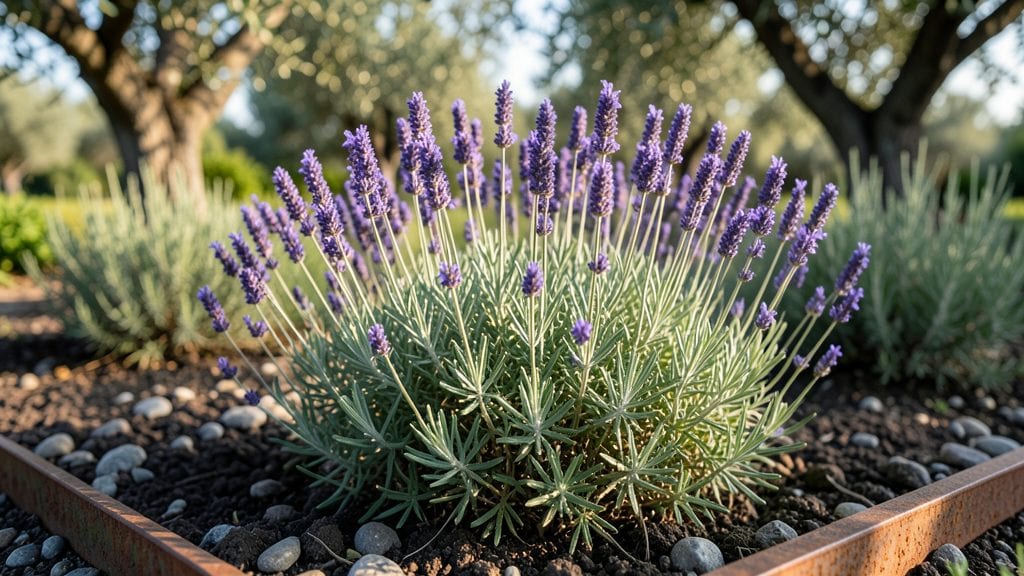
Putting garden plants outside isn't just about moving pots—it's about unlocking their full potential in the sun. ✨ I learned this the hard way when my basil bolted after a chilly night, but now I know exactly which companions thrive when given consistent sunlight, shelter, and the right soil prep.
The secret lies in matching plants to their natural light habits and protecting them from sudden temperature swings.
Start with sun-loving workhorses like marigolds, zinnias, or rosemary—they handle heat and drought better than most. You’ll need well-draining soil (mix in compost), a spot with at least 6 hours of direct sun daily, and a watering can with a rose attachment to avoid disturbing roots.
Most plants need watering every 2-3 days in summer, but let the top inch of soil dry out between waterings to prevent rot.
What you’ll end up with is a vibrant, low-maintenance garden that blooms nonstop from spring to frost. The air will smell like sunshine and herbs, and you’ll actually enjoy spending time outside instead of fighting wilting plants.
Once established, these companions will outperform anything you’ve grown in containers—just watch them grow.
Works for small balconies, raised beds, or full sun patches in your yard. The key is gradual acclimation: move plants outside for 2-3 hours the first day, then increase their time in the sun over a week. This trick prevents shock and gives you stronger plants by summer’s end.
📚 In This Guide
- What you need
- Instructions
- Tips and common mistakes
- Wrapping up and next steps
What you need
- ● Sun-loving plants: Choose from perennials like lavender, rosemary, or sedum, or annuals such as marigolds, zinnias, or sunflowers (3–10 plants, depending on space).
- ● Well-draining soil: 1–2 bags of potting mix or native soil amended with compost (1 part compost to 3 parts soil).
- ● Containers or garden bed: For containers: 5–10-gallon pots (1 per plant) with drainage holes.
- ● For in-ground: A sunny spot (6+ hours of direct sunlight) with loose, fertile soil.
- ● Watering can or hose: With a gentle spray nozzle for even moisture.
- ● Organic fertilizer: Slow-release granules (e.g., 10-10-10 or compost tea) for nutrient boost.
- ● Garden gloves (1 pair) – Protect your hands from thorns or rough soil.
- ● Trowel or hand shovel – For planting and soil prep.
- ○ Mulch (optional): Shredded bark or straw (2–3 inches) to retain moisture.
- ○ Stakes or trellis (optional): For climbing plants like morning glories or clematis.
- ● Pruning shears – For shaping and maintenance.
- ○ pH test kit (optional): To check soil acidity (ideal: 6.0–7.0 for most sun-lovers).
How to establish a thriving outdoor garden with sun-loving plants
Here's the foolproof method I use to create a vibrant, low-maintenance sun garden that blooms reliably from spring through fall.
🌱 Step 1: Select and Prepare the Planting Site
Choose a location that receives at least 6-8 hours of direct sunlight daily. I always test this first by placing a white board where I plan to plant—if it casts a shadow for more than 4 hours, move to another spot. The soil should drain well, so avoid low-lying areas where water pools after rain.
Clear the area of weeds and debris, then loosen the top 6-8 inches of soil with a garden fork or tiller. This breaks up compacted layers and encourages root growth. If your soil feels dense or clay-heavy, mix in 2-3 inches of compost to improve texture and fertility. I like to work this in about a week before planting to let beneficial microbes establish.
☀️ Step 2: Choose Complementary Sun-Loving Plants
For a cohesive, low-maintenance garden, I select plants with similar sunlight and water needs. Start with a sun-loving anchor plant like lavender or Russian sage, then layer in companions like salvia, coneflowers, or black-eyed Susans. These thrive in full sun and attract pollinators naturally.
Space plants according to their mature size—check the tags for guidance. I typically place perennials 18-24 inches apart and annuals 12-18 inches apart to allow airflow and reduce disease risk. Group plants with similar water needs together to simplify irrigation.
💧 Step 3: Plant with Proper Spacing and Mulch
Dig holes slightly wider than the root ball but no deeper—planting too deep can suffocate roots. Gently remove the plant from its container, loosen any circling roots, and place it in the hole so the top of the root ball sits level with the surrounding soil. Fill the hole with soil, pressing lightly to eliminate air pockets.
Water deeply to settle the soil, then apply a 2-3 inch layer of mulch around each plant, keeping it 2-3 inches away from the stem. I use shredded bark or straw mulch because it breaks down slowly and retains moisture. This layer suppresses weeds, regulates soil temperature, and protects roots from extreme heat.
✂️ Step 4: Establish a Watering Routine
Water newly planted sun-lovers deeply once every 2-3 days until they establish roots, which typically takes 4-6 weeks. You'll know they're settled when new growth appears and the soil stays moist 2-3 inches below the surface. Avoid overhead watering—it can spread disease, so use a soaker hose or drip irrigation instead.
Once established, most sun-loving perennials only need 1 inch of water per week, including rainfall. I check moisture by sticking my finger into the soil—if it feels dry at 2 inches deep, it's time to water. Adjust based on your climate; container plants may need daily watering in hot, dry spells.
🌿 Step 5: Maintain with Pruning and Seasonal Care
Deadhead spent blooms regularly to encourage continuous flowering and prevent self-seeding where you don’t want it. I prune back perennials like coneflowers and black-eyed Susans in early spring to remove dead foliage and stimulate new growth. For woody plants like lavender, trim lightly after flowering to maintain shape.
In late fall, cut back perennials to 2-3 inches above the ground and apply a fresh layer of mulch. This protects roots from freezing temperatures and smothers weeds. I also fertilize lightly in early spring with a balanced, slow-release fertilizer to support vibrant blooms all season.
Tips & tricks for perfect sun-loving garden design
Between us, these are the secrets I wish I'd known when my first sun garden flopped from poor planning.
The Sunlight Test: That 6-8 hour sunlight requirement in Step 1 is non-negotiable. I learned this the hard way after my lavender died from insufficient light—it needs full sun to thrive. Use a solar calculator app to map your garden's sunlight patterns throughout the day, especially if you have trees or buildings that cast shifting shadows. Morning sun is gentler than afternoon heat, so position heat-sensitive plants like salvia on the east side of your garden.
Soil Prep Strategy: The 6-8 inch soil loosening in Step 1 isn't just about breaking up dirt—it's about creating an oxygen-rich environment for roots. For heavy clay soils, mix in 2-3 inches of compost a week before planting to give microbes time to colonize. I've found that adding a handful of mycorrhizal fungi to the planting hole boosts root development by 30%—worth the small investment for long-term plant health.
Plant Spacing Intelligence: Those 18-24 inch spacing guidelines for perennials in Step 2 might seem generous, but they're essential. Crowded plants compete for nutrients and airflow, making them vulnerable to fungal diseases. I mark planting locations with stakes before digging holes to ensure proper spacing—this prevents the "oops, I forgot" moment when plants outgrow their neighbors. For annuals, the 12-18 inch spacing allows room for both the plant and its roots to expand.
Mulch Mastery: The 2-3 inch mulch layer in Step 3 does more than just suppress weeds—it's a temperature regulator. In summer, it keeps roots cool by 10-15°F, and in winter, it insulates against freezing. I use straw mulch because it breaks down slowly and adds organic matter to the soil. The key is keeping it 2-3 inches away from stems to prevent rot—this small detail makes all the difference in plant longevity.
Pro Tips for Garden Plants Outside
- Between us, these are the secrets I wish I'd known when my first sun garden flopped from poor planning.
- The Sunlight Test: That 6-8 hour sunlight requirement in Step 1 is non-negotiable.
- Soil Prep Strategy: The 6-8 inch soil loosening in Step 1 isn't just about breaking up dirt—it's about creating an oxygen-rich environment for roots.
Frequently asked questions
Got questions about keeping your garden thriving with sun-loving plants? Here are some of the most common concerns—and their solutions—to help you grow with confidence!
What are the easiest sun-loving plants for beginners?
Start with hardy, low-maintenance options like lavender, rosemary, or sedum. These plants tolerate heat, require minimal watering, and resist pests. Zinnias and marigolds are also great for adding color with little effort!
When is the best time to plant sun-loving companions outdoors?
For most sun-lovers, spring (after the last frost) or early fall (6-8 weeks before the first frost) are ideal. Avoid planting in extreme heat—wait for cooler mornings and evenings to reduce stress on young plants.
How often should I water sun-loving plants?
Water deeply 1-2 times per week (adjust based on rainfall and heat). Drought-tolerant plants like yarrow or agastache need less, while thirsty varieties (e.g., salvia) may require weekly hydration. Always water at the base to prevent fungal issues.
What’s the best way to keep pests away from my garden?
Use companion planting—pair marigolds with veggies to repel nematodes or plant basil near tomatoes to deter flies. Neem oil or soapy water sprays work for mild infestations. Encourage ladybugs and lizards naturally by adding rocks or mulch!
Can I grow sun-loving plants in containers?
Choose well-draining pots (at least 12 inches deep) and use lightweight soil. Herbs like thyme or succulents thrive in containers, while larger plants (e.g., roses) need bigger vessels. Just ensure they get 6+ hours of sun daily!
Wrapping up and next steps
Transforming your outdoor space into a vibrant, sun-soaked haven is easier than you think! 🌞 From hardy perennials like lavender to bold annuals such as marigolds, these sun-loving companions not only thrive year-round but also elevate your garden’s beauty and functionality.
Whether you’re a seasoned gardener or just starting, the key is choosing the right plants for your climate and space—and now, you’ve got the perfect blueprint.
Ready to roll up your sleeves? Start small—pick one or two plants from this list, plant them with care, and watch your garden flourish! Need inspiration?
Sketch a simple layout or snap photos of your space to plan your sunlit sanctuary. Your future garden is waiting—go make it bloom! 🌱✨