
Planting
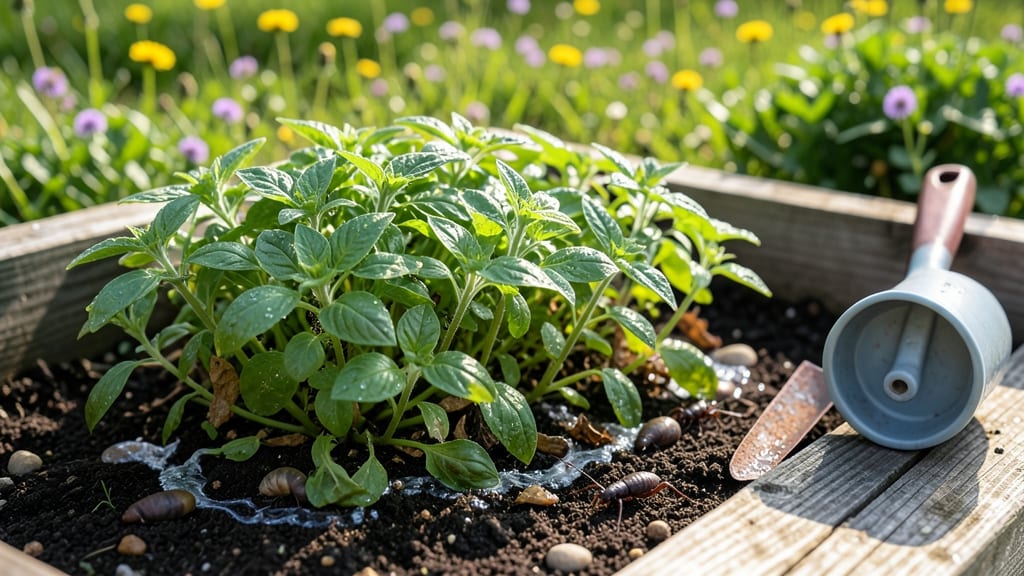
Garden plant pests turn lush greenery into a buffet—until you learn these natural barriers that send bugs packing for good. 🌿 I’ve lost entire tomato plants to hornworms and given up on hostas unless I fortify them first, so I know what works: strategic plants, physical shields, and a few sneaky tricks that outsmart pests before they even arrive.
The key isn’t spraying everything in sight—it’s creating an environment where bugs can’t thrive. Think copper tape for slugs, marigolds to repel nematodes, or even a simple row cover that blocks beetles while letting sunlight through.
My zucchini now grows unmolested because I wrapped the plants in lightweight fabric, and the difference is night-and-day compared to last year’s skeletonized leaves.
You’ll walk away with a garden that stays vibrant without chemicals, where pests become a minor annoyance instead of a season-ending disaster. The best part? These methods work whether you’re growing veggies, flowers, or shrubs—no complicated setups, just smart layering of defenses. Let’s build that bug-proof haven, step by step.
From early spring to late fall, pests shift tactics, but the principles stay the same. The solutions here adapt to your plants and your timeline, whether you’re prepping for planting or scrambling to save a crop mid-summer. No more guesswork, just results that keep your garden thriving.
Root Causes Of Plant Pests
Pests don’t just randomly attack your garden—they’re drawn in by specific conditions that make your plants look like an all-you-can-eat buffet. Understanding these triggers helps you outsmart them before they become a problem. Here’s why pests show up uninvited and how they exploit your garden’s weaknesses.
Pests thrive where plants are stressed or struggling. When your garden is overcrowded, poor air circulation creates the perfect humid microclimate for fungi, mites, and soft-bodied insects like aphids.
Weak plants—often from nutrient deficiencies, overwatering, or poor soil health—produce sweeter sap, which attracts sap-sucking pests like whiteflies and mealybugs.
Why it happens:
- Competition for resources weakens roots, making plants more vulnerable to attacks.
- Shade and moisture from dense foliage encourage fungal pests (e.g., powdery mildew, which attracts spider mites).
- Slow growth means plants can’t outpace pest damage, leading to irreversible harm.
Actionable fix: Thin out plants to improve airflow and ensure each has 6–12 inches of space (depending on the species). Use balanced fertilizer (like 10-10-10) to boost plant resilience.
Water is life—but poor watering habits turn your garden into a pest magnet. Overwatering creates soggy soil, which attracts:
- Fungal pests (e.g., slugs, snails, and root maggots).
- Soft-bodied insects (like aphids and mites) that love damp leaves.
- Weakened plant defenses, making them easier targets.
Why it happens:
- Morning watering keeps foliage wet longer, giving pests like thrips and spider mites a breeding ground.
- Underwatering stresses plants, triggering emergency chemical signals that attract predatory pests (e.g., ladybugs’ prey, like scale insects).
- Drip irrigation or overhead sprinklers can spread pest eggs or spores across plants.
Actionable fix:
- Water deeply at the base (1–2 inches per week) and early in the day so leaves dry by evening.
- Use drip irrigation or soaker hoses to avoid wetting foliage.
- Mulch heavily (2–4 inches) to retain moisture without over-saturating soil.
Healthy soil = healthy plants = fewer pests. But when soil lacks organic matter, beneficial microbes, or proper pH, plants become nutritionally deficient, making them prime targets.
For example: - Nitrogen-rich soil attracts aphids and slugs (they love tender, fast-growing foliage). - Phosphorus-heavy soil can lead to root-knot nematodes thriving in overfed roots. - Compacted or clay-heavy soil restricts root growth, weakening plants and inviting borers and beetles.
Why it happens:
- Synthetic fertilizers can disrupt soil microbial balance, reducing natural pest-deterring fungi (like Trichoderma).
- Lack of compost means plants miss out on prebiotic fibers that feed beneficial nematodes (e.g., Steinernema), which hunt pests.
- pH imbalances (too acidic or alkaline) prevent plants from absorbing nutrients, making them stressed and vulnerable.
Actionable fix:
- Test your soil (DIY kits or lab tests) and amend with compost, worm castings, or mycorrhizal fungi.
- Rotate crops annually to disrupt pest life cycles (e.g., don’t plant tomatoes in the same spot yearly).
- Add neem cake or kelp meal to boost plant immunity naturally.
A monoculture garden (planting only one type of plant) is like a buffet with no competition—pests feast while predators stay away.
Gardens with low biodiversity miss out on: - Pollinators (like bees and hoverflies) that accidentally eat pests (e.g., aphids). - Ground predators (ladybugs, lacewings, birds) that hunt caterpillars and beetles. - Soil microbes that outcompete harmful nematodes or produce natural pesticides.
Why it happens:
- Pesticide overuse kills beneficial insects along with pests, creating a void that pests quickly fill.
- Lack of flowering plants means fewer nectar sources for predator insects.
- Homogeneous planting gives pests no escape—they multiply unchecked.
Actionable fix:
- Plant companion plants (e.g., marigolds repel nematodes, basil deters whiteflies).
- Install birdhouses, bat boxes, or insect hotels to attract natural pest controllers.
- Avoid broad-spectrum pesticides; opt for targeted solutions (like neem oil or insecticidal soap).
Pests are highly sensitive to temperature and humidity. Sudden changes—like unpredictable weather or microclimates—can trigger outbreaks.
For example: - Warm winters allow overwintering pests (like scale insects) to survive and multiply. - Hot, dry summers attract thrips and spider mites, which thrive in drought-stressed plants. - Humid conditions (60%+ moisture) encourage fungal pests (e.g., powdery mildew, which brings mites).
Why it happens:
- Global warming extends pest breeding seasons, giving them more time to damage plants.
- Urban heat islands create warmer microclimates where tropical pests (like citrus leaf miners) survive in unexpected places.
- Late frosts or early heatwaves disrupt plant growth cycles, making them more susceptible to attacks.
Actionable fix:
- Monitor local pest forecasts (e.g., Cooperative Extension Service alerts).
- Use shade cloth in summer to reduce heat stress on plants.
- Mulch with straw or wood chips to regulate soil temperature and moisture.
Sometimes, well-meaning gardening practices accidentally introduce or spread pests.
Common culprits: - Bringing infected plants from nurseries or swapping cuttings with neighbors. - Using contaminated tools (pruners, trowels) that carry disease spores or pest eggs. - Composting infested plant debris (e.g., leaves with aphids or eggs) without proper heat treatment. - Ignoring weeds, which harbor pests like cabbage worms or squash bugs before moving to crops.
Why it happens:
- Lack of quarantine for new plants allows pests to hitchhike into your garden.
- Poor tool sanitation spreads bacterial or fungal pests (e.g., Phytophthora root rot).
- Improper composting fails to kill pest life stages, recycling them back into the soil.
Actionable fix:
- Inspect new plants for pests before bringing them home (check undersides of leaves!).
- Disinfect tools with 70% rubbing alcohol or bleach solution between uses.
- Remove weeds regularly and bag infested plant debris for trash (not compost).
Quick Fixes for Common Plant Invaders
Pests can turn your thriving garden into a battleground, but the good news? Most problems have simple, natural solutions. Below, we’ll match common culprits to easy fixes—plus prevention tips to keep your plants pest-free long-term.
Signs: Sticky residue (honeydew), curled leaves, or clusters of tiny green/black bugs. Fix:
- Blast them off 💦: Spray aphids directly with a strong stream of water (early morning works best).
- Neem oil spray 🌿: Mix 1 tbsp neem oil + 1 tsp mild soap in 1 quart of water. Spray foliage thoroughly (repeat every 5–7 days).
- Ladybugs to the rescue 🐞: Release ladybugs (they love aphids) or plant companion flowers like marigolds to attract them naturally.
Prevent: Encourage predatory insects (lacewings, parasitic wasps) by avoiding broad-spectrum pesticides. Interplant with garlic, chives, or dill—their strong scents repel aphids.
Signs: Fine webbing on undersides of leaves, yellow stippling, or leaves that look "bronzed." Fix:
- Knock ‘em down 🌧️: Shower plants with water to dislodge mites (they hate humidity).
- Horticultural oil 🛡️: Apply in the evening (avoid direct sun—it can burn leaves). Reapply after rain.
- Soap solution 🧼: 2 tbsp castile soap + 1 quart water. Spray both sides of leaves.
Prevent:
- Mulch heavily to retain soil moisture (mites thrive in dry conditions).
- Prune to improve airflow—crowded plants invite infestations.
- Reflective mulch (aluminum foil or silver plastic) confuses mites with its glare.
Signs: Irregular holes in leaves, silvery slime trails, or chewed seedlings overnight. Fix:
- Beer traps 🍺: Bury a shallow dish filled with beer near plants. Slugs crawl in and drown.
- Copper barriers ⚡: Wrap copper tape around pots or garden edges—slugs get a mild shock.
- Diatomaceous earth 🌊: Sprinkle food-grade DE around plants (reapply after rain). Avoid breathing it in!
Prevent:
- Handpick at night with a flashlight (gloves recommended).
- Crushed eggshells 🥚: Scatter around plants as a natural barrier.
- Plant slug-repellent herbs like thyme, mint, or wormwood nearby.
Signs: Tiny white moths fluttering when you disturb plants; sticky residue on leaves. Fix:
- Yellow sticky traps 🎣: Hang near infested plants to catch adults.
- Neem oil or insecticidal soap 🌿: Spray undersides of leaves where they hide.
- Kaolin clay 🏺: Mix with water and spray—creates a barrier they can’t cross.
Prevent:
- Remove infected leaves immediately and dispose of them in sealed bags.
- Encourage wasps (like Encarsia formosa)—they parasitize whitefly larvae.
- Use reflective mulch to disorient them.
Signs: Ragged holes in leaves, frass (poop), or green/black worms crawling on plants. Fix: - Handpick 👨🍳: Drop them into soapy water (especially tomato hornworms—they’re huge!). - Bacillus thuringiensis (Bt) 🦠: A natural bacteria that kills caterpillars but is safe for humans.
Spray on foliage. - Bird baths 🐦: Attract birds like chickadees and wrens—they love eating caterpillars.
Prevent:
- Plant basil near tomatoes—its scent deters tomato hornworms.
- Interplant with dill or fennel to attract parasitic wasps.
- Remove egg masses (look for tiny clusters on undersides of leaves).
- Healthy soil = strong plants 🌱: Amend with compost and avoid over-fertilizing (soft new growth attracts pests).
- Rotate crops 🔄: Prevents soil-borne pests from building up.
- Inspect new plants 🔍: Quarantine them for a week before adding to your garden.
- Plant pest-repellent companions 🌸:
- Marigolds (aphids, nematodes)
- Nasturtiums (aphids, squash bugs)
- Basil (mosquitoes, thrips)
Pro Tip: 💡 Act fast! The sooner you address pests, the easier they are to control. A little daily vigilance saves hours of cleanup later.
Frequently asked questions
What are the most common garden pests I should watch for?
Aphids, spider mites, slugs, whiteflies, and caterpillars top the list. These pests target tender foliage, sap, or young plants. Regular inspections (especially on undersides of leaves) catch them early before they spread. Start with these as your pest patrol priority.
How do I know if my plants are under attack?
Look for holes in leaves, sticky residue (honeydew), webbing, or chewed edges. Yellowing leaves or stunted growth are red flags too. Compare your plants to healthy neighbors—if yours look stressed, pests might be the culprit.
Are chemical pesticides really necessary?
Not usually! Natural barriers like neem oil, companion planting, or physical traps work just as well. Chemicals often kill beneficial insects too. Try solutions first—most pests respond to early intervention without harsh treatments.
Can I use household items to repel pests?
Coffee grounds deter slugs, garlic spray (blended garlic + water) repels aphids, and chili pepper water keeps soft-bodied pests away. These DIY fixes are safe, cheap, and effective—just test small areas first.
What’s the best time of day to check for pests?
Early morning is ideal—pests like aphids and caterpillars are sluggish then, making them easier to spot. Cool temperatures also reveal signs like webbing or egg masses that hide during heat. Avoid checking midday when pests may be hiding.