
Planting
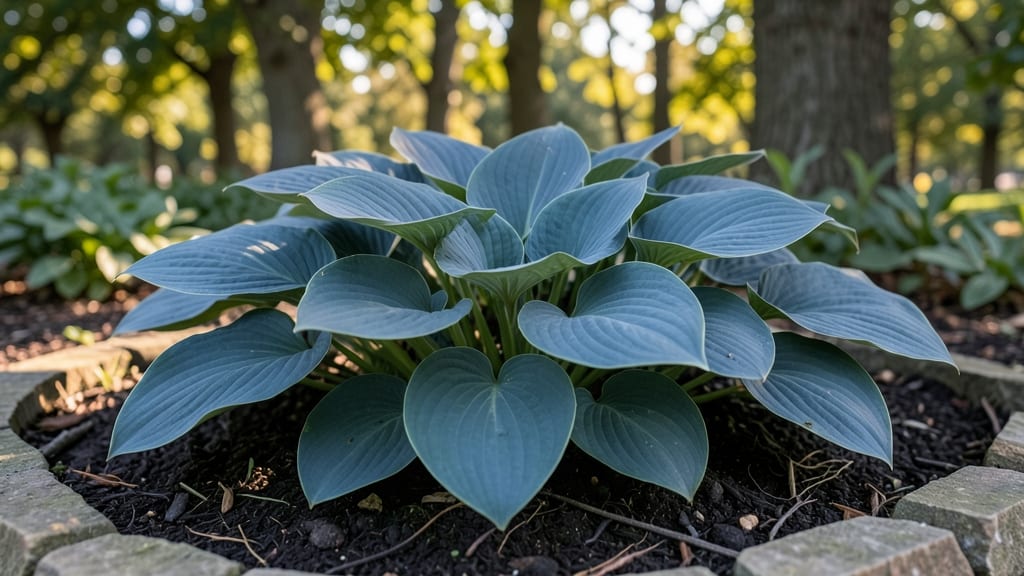
A garden plant identifier is your secret weapon when that stubborn leaf or bloom stumps you—no detective work required. 🌿 I’ve spent years mislabeling everything from mint to milkweed, and the right approach cuts that frustration. in half.
The key is combining what you see with the right tools, so you can finally stop guessing.
Start with clear photos under natural light, focusing on leaf shape, flower structure, and any unique markings. Apps like PlantNet or Google Lens handle 80% of cases instantly, but tricky lookalikes (like hostas vs. lilies) need a closer look at stems, growth patterns, or seed heads.
I keep a small notebook nearby to jot down textures or smells—details that apps can’t capture.
You’ll nail identifications faster than ever, even with partial plants or damaged samples. The confidence comes from cross-checking three sources: an app, a field guide, and a trusted online database. No more "close enough" guesses—just reliable names for your garden journal or pruning decisions.
Works for wild finds, nursery surprises, or that one stubborn weed you can’t kill. Here’s how to make it foolproof every time, no green thumb required.
The Real Culprits Behind ID Confusion
Mistaking one plant for another—or struggling to identify plants at all—isn’t just beginner’s luck. Behind every misidentified leaf or flower lies a mix of biological, environmental, and human factors.
Understanding these causes helps you sharpen your plant ID skills and avoid costly gardening mistakes. Here’s why plant identification can be so tricky:
Plants don’t wear name tags, and their appearance changes dramatically depending on their growth stage. A seedling might look nothing like its mature counterpart, and flowers can vary wildly in shape, color, and scent across seasons.
- Seedlings vs. Adults: A young Monarda didyma (bee balm) might resemble a tiny mint plant, while its mature form boasts vibrant purple blooms. Without knowing its lifecycle, you’d never guess they’re related.
- Seasonal Shifts: Some plants, like Helleborus niger (Christmas rose), bloom in winter but look like ordinary green foliage in summer. A garden plant identifier app trained on summer images might miss it entirely.
- Dormancy Tricks: Bulbs like Tulipa gesneriana (tulip) retreat underground after flowering, leaving no above-ground clues until spring. If you’re only checking in summer, you’d assume the spot is empty.
Pro Tip: 💡 Take notes on plant behavior—track when flowers appear, how leaves change, and whether stems die back. A simple sketch or photo journal can reveal patterns a one-time glance misses.
Nature loves mixing things up. Hybrid plants, cultivated varieties, and regional adaptations can make identification feel like solving a puzzle with missing pieces.
- Hybrid Madness: Roses, for example, are notorious for crossbreeding. A Rosa ‘Knock Out’ might look like a completely different species from a Rosa ‘David Austin’, even though they’re both roses. Without knowing the parentage, you’re left guessing.
- Cultivar Chaos: Garden centers sell Petunia × hybrida in every color and pattern, but a wild Petunia axillaris might have striped flowers or different leaf shapes. Apps trained on common cultivars often fail on heirloom or wild types.
- Climate Quirks: The same plant species can develop broader leaves in humid climates or smaller, tougher ones in arid regions. A Salvia officinalis (sage) from the Mediterranean might look foreign to one grown in the Pacific Northwest.
Action Step: ✨ When in doubt, check for distinguishing traits like leaf arrangement, vein patterns, or flower symmetry. Hybrid plants often retain one defining feature from a parent—focus on those.
Sick or stressed plants throw off identification because their natural features get masked—or entirely altered—by external factors. A healthy Hosta has glossy leaves, but a slug-damaged one might look like a completely different (and possibly toxic) plant.
- Pest Damage: Japanese beetles skeletonize Rose leaves, leaving lace-like remains that bear little resemblance to the original. Fungal infections like powdery mildew can distort flower shapes or bleach petals white.
- Nutrient Deficiencies: A magnesium deficiency turns leaves yellow between veins, mimicking the look of a completely different plant. Iron deficiency causes chlorosis (yellowing), which can make a Hydrangea resemble a nutrient-starved Rhododendron.
- Sunlight Tricks: A Coleus grown in shade develops deep, vibrant colors, while the same plant in full sun fades to green. Without context, you’d assume two different species.
Quick Fix: 🌡️ Examine the entire plant, not just the most obvious part. Look for:
- Unusual spots, holes, or webbing (pests)
- Discolored veins or stunted growth (disease/nutrients)
- Leaf curl or wilting (stress)
Even the best garden plant identifier apps and databases have limits. Relying solely on technology—or your memory—can lead to frustrating misidentifications.
- App Limitations: Most plant ID tools use crowdsourced data, which may lack rare or regional species. A Trillium native to Appalachia might not appear in an app optimized for California gardens.
- Photo Quality Matters: Blurry, low-light, or cropped images confuse algorithms. A close-up of a Lilium (lily) flower might match a Fritillaria if the photo cuts off the bulbous base.
- Confirmation Bias: If you think it’s a Snapdragon, you’ll overlook clues pointing to Foxglove—a deadly lookalike. Preconceived notions skew observations.
Smart Strategy: 🎯 Cross-reference with multiple sources:
- Use an app and a field guide
- Check leaf arrangement, stem texture, and root structure (if possible)
- Ask local gardening groups for regional insights
Now that you know why plant IDs go wrong, you’re one step closer to mastering them. The key? Stay curious, observe details, and never trust a single source—especially not your first guess!
Quick Fixes for Plant ID Struggles
Identifying plants in your garden shouldn’t feel like solving a mystery—especially when you’re standing in the dirt with a curious (or confused) look! Whether you’re dealing with blurry photos, vague descriptions, or just not knowing where to start, here’s how to turn those plant puzzles into instant answers.
If your garden plant identifier app keeps returning "unknown" results, your photos might be the problem.
🔍 Fix: Capture Better Plant Images
- 🌿 Focus on Key Features – Snap close-ups of leaves (shape, veins, edges), flowers (color, petal arrangement), and stems. Avoid wide shots of the whole plant.
- 🌞 Lighting Matters – Shoot in natural daylight, avoiding harsh shadows or backlighting.
Overcast days work best for even lighting. - 📏 Include a Reference – Hold a ruler or coin next to the plant to give the app a size context (e.g., "leaf is 3 inches long"). - 🖼️ Multiple Angles – Take front, side, and top views.
Some identifiers need at least two angles for accuracy.
💡 Prevention Tip
Keep a small notebook or digital folder labeled with dates and locations. Jot down quick notes like "red flowers, lobed leaves, smells like citrus"—this helps narrow down options later.
If you’re typing "green leaf with jagged edges" and getting back 50 possibilities, you need more precision.
📝 Fix: Use the Right Language
Break down your description into these categories:
- 🌿 Leaf Shape – Round, lobed, needle-like, heart-shaped?
- 🎨 Leaf Color – Bright green, purple-tinged, variegated?
- 🌸 Flower Traits – Single petals?
Clusters? Scented? - 🌍 Plant Size – Shrub, vine, or ground cover? - 🌎 Growth Habit – Does it climb, sprawl, or stay upright?
🔥 Pro Tip
Use a plant anatomy cheat sheet (like this one from the USDA) to match terms like "palmate veins" or "serrated margins"—it’s easier than you think!
Some garden plant identifiers struggle with rare or hybrid plants. Here’s how to work around it.
🔧 Fix: Try These Workarounds
- 🌍 Use a Hybrid-Specific App – Apps like PictureThis or PlantNet are better at handling unusual varieties.
- 📚 Cross-Reference with Books – If the app gives a close match but isn’t quite right, check a field guide like "The New Sunset Western Garden Book."
- 🌐 Ask the Experts – Post in gardening forums (e.g., Reddit’s r/whatsthisplant) with your best photo + location.
Often, hobbyists spot details you missed. - 🔬 DNA Testing (Yes, Really!) – For prized or mysterious plants, services like SmartPlants can sequence plant DNA for a definitive ID (though it’s pricey).
⏰ Prevention Tip
Bookmark a few trusted identifiers (e.g., iNaturalist, Google Lens, or PlantSnap) so you’re not stuck with one that doesn’t work.
No flowers or leaves? No problem—just a different approach.
🌱 Fix: ID by Other Clues
- 🌱 Seed Pods & Fruit – Shape, color, and texture can be dead giveaways (e.g., a spiky green pod = likely a honey locust).
- 🌿 Stem & Bark – Smooth, hairy, or ridged?
Note it. - 🌡️ Growth Conditions – Does it thrive in shade, full sun, or wet soil? This narrows it down fast. - 🕵️♂️ Reverse-Engineer from Neighbors – If the plant is in your yard, check what’s growing nearby. Often, they’re part of the same ecosystem.
🎯 Pro Tip
If you have a cutting, root it in water first. Once it sprouts leaves, you’ll have a better shot at ID-ing it.
If nothing works, dig it up and observe.
Healthy plants often reveal their identity when transplanted: - 🌱 Root Shape – Tubers, rhizomes, or fibrous roots? - 🌿 New Leaf Patterns – Sometimes, young leaves look different from mature ones. - 🌸 Flower Timing – Some plants only bloom at specific times (e.g., wisteria in spring).
Final Thought: The more details you provide—whether in photos, descriptions, or real-world observations—the faster your garden plant identifier will give you the right answer. And if all else fails? Guess, plant it, and see what happens. 🌱✨
Frequently asked questions
What’s the fastest way to identify a garden plant when I only have a photo?
Use a dedicated plant ID app like PlantNet or PictureThis—they analyze leaf shapes, flower structures, and growth patterns in seconds. For best results, take close-ups in natural light, include a size reference (like a coin), and capture multiple angles. If the app gives vague results, try Google Lens next, as it uses broader image recognition.
Can I trust free plant ID apps, or should I pay for premium tools?
Free apps like iNaturalist and LeafSnap work well for common plants, but premium tools (e.g., PictureThis) offer faster results and better accuracy for rare or hybrid varieties. For most gardeners, a free app is enough—just cross-check with a field guide or local gardening forums if the match seems off.
How do I identify a plant with no flowers or leaves?
Focus on stems, bark, and growth habits. For example, a smooth, green stem with nodes is likely a vine (like morning glory), while woody, ridged stems suggest shrubs (e.g., dogwood). Digging up a small section to examine roots or buds can also reveal clues—tubers point to potatoes or dahlias, while fibrous roots often belong to grasses or perennials.
Why does my plant ID app keep giving me wrong answers?
Blurry photos, poor lighting, or focusing on non-distinctive parts (like stems alone) confuse algorithms. Double-check your images for clarity, include flowers or leaves, and describe the plant’s size/environment. Apps also struggle with hybrids or regional varieties—try iNaturalist, which crowdsources local expertise, or consult a botanist for tricky cases.
What’s the best way to document plants for future identification?
Keep a simple journal with photos, dates, and key traits (e.g., leaf shape, flower color, growth speed). Use labels in your garden or tag digital photos with locations. Apps like Gardenate let you log plants and track their lifecycle—perfect for remembering what blooms when or how a plant evolves over seasons.