
Landscaping
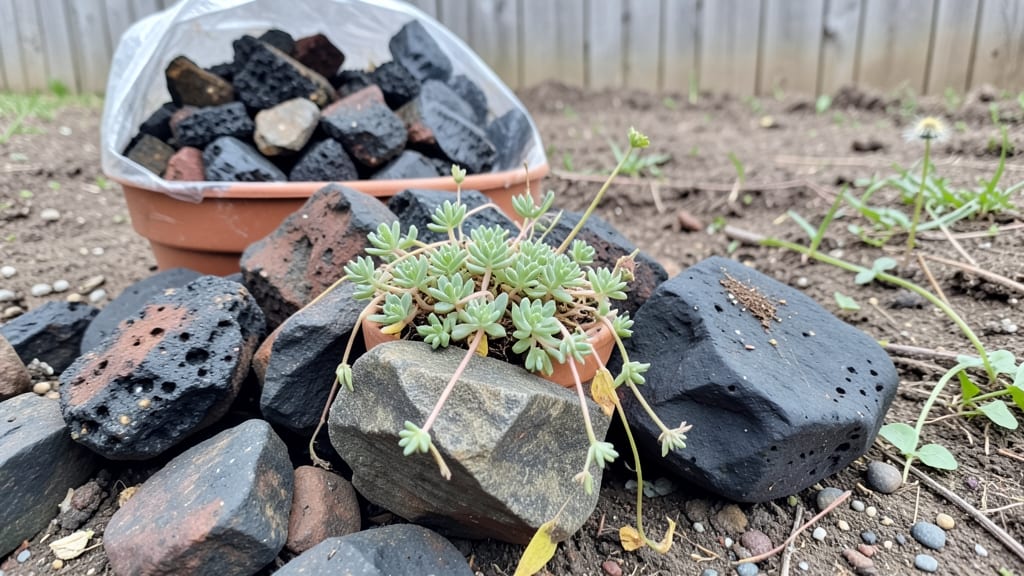
Creating a lava rock garden transforms any backyard into a sun-drenched desert retreat with minimal effort. The sharp angles and warm tones of volcanic rock instantly elevate a space, while its natural drainage keeps plants thriving even in summer’s fiercest heat.
I’ve designed three stunning layouts—from bold statement borders to soft, flowing pathways—that work in any yard, no matter the size.
Start with the rock itself: lava’s rough texture contrasts beautifully with smooth-stemmed succulents or spiky agave, while its heat retention lets you grow drought-tolerant plants like sedum or Russian sage without extra watering.
For a cohesive look, stick to earthy neutrals—ochre, slate gray, and terracotta—with pops of purple or red blooms for drama. My favorite combo? A low border of lava rock framing a mix of blue fescue grass and trailing ice plant.
The best part? This garden style requires almost no upkeep. Once planted, the rocks suppress weeds naturally, and the right plant choices mean you’ll spend more time admiring than tending.
Imagine stepping into a serene, sunlit space where every element—from the jagged rocks to the swaying grasses—feels intentional and effortless. Let’s bring that vision to life in your backyard.
Whether you’re lining a patio, defining a bed, or creating a full xeriscape, lava rock gardens adapt seamlessly to any design. The key is balancing texture and color—rough with soft, warm with cool—to create a look that feels both wild and polished.
Ready to turn your space into a desert-inspired haven?
📚 In This Guide
- What you need
- Instructions
- Tips and common mistakes
- Wrapping up and next steps
What you need
- ● Lava rock: 1–2 tons (depending on garden size; 1–2" diameter recommended for best drainage and aesthetics).
- ● Landscape fabric: 3–5 feet wider than your garden area to block weeds.
- ● Gravel or crushed stone: 1–2 inches deep (for base layer; ½"–¾" size works well).
- ● Native desert plants: 3–5 drought-resistant species (e.g., succulents, cacti, or ornamental grasses).
- ○ Soil (optional but helpful): 2–3 bags of cactus/succulent mix for planting areas.
- ● Edging material: Metal, plastic, or stone (e.g., 4–6" tall to define borders).
- ● Shovel and garden rake
- ● Wheelbarrow (for hauling materials)
- ● Level or measuring tape
- ● Garden gloves and knee pads
- ● Hose with adjustable nozzle (for watering plants)
- ● Pruners (for trimming plants)
- ● Decorative accents: Solar lights, wind chimes, or small boulders for texture.
- ● Drip irrigation system: Low-maintenance watering for your plants.
- ● Pebble or sand: For a smoother finish between lava rocks.
- ● Outdoor furniture: A patio set or fire pit to enjoy your oasis!
Step-by-Step instructions for creating a lava rock garden
Transform your backyard into a striking desert-inspired retreat with these simple steps.
Choose and Prepare Your Garden Location
Select a sunny spot that receives at least 6 hours of direct sunlight daily. Lava rock gardens thrive in full sun, mimicking their natural desert habitat. Clear the area of grass, weeds, or debris, removing any plants that might compete for water or nutrients. I like to mark the space with landscape fabric first—it suppresses weeds without smothering the rocks.
If your soil is heavy clay or poorly draining, add a 2-inch layer of coarse sand or gravel over the entire area. This improves drainage and prevents water from pooling around your plants. Level the ground carefully with a rake, creating a smooth base for the rocks. Uneven spots will make your garden look messy, even with beautiful lava rock.
Layer the Base for Stability and Drainage
Spread a 4-inch layer of crushed gravel evenly across the prepared area. This isn’t just for looks—it ensures proper drainage and prevents soil from mixing with the lava rock. Use a rake to smooth it out, working from the edges inward. Press down lightly with a board or tamper to compact the gravel slightly, creating a stable foundation.
Next, add a 2-inch layer of sharp sand over the gravel. This helps lock the rocks in place and prevents them from shifting over time. Wet the sand slightly with a hose, then spread it evenly with a rake. The goal is to create a firm, level base that won’t settle unevenly once the rocks are added.
Arrange the Lava Rock for Aesthetic Appeal
Start by placing the largest lava rocks along the perimeter or in focal points. These anchor the design and create visual interest. I like to arrange them in natural-looking clusters rather than uniform rows—it mimics the randomness of a desert landscape. Leave gaps between rocks to allow for smaller stones and plants later.
Fill in the spaces with medium-sized lava rocks, working your way down to the smallest. Avoid packing them too tightly; leave about 1 inch of space between rocks for drainage and to accommodate future plants. If you’re adding succulents or drought-tolerant plants, place them now, pressing the soil around the roots gently to secure them.
Add Finishing Touches for Long-Term Success
Once the rocks are in place, sprinkle a thin layer of fine gravel or sand over the surface to blend the gaps and create a polished look. This also helps retain moisture near plants while allowing excess water to drain. Avoid covering plants completely—leave their tops exposed to sunlight.
Water the garden lightly after planting to settle the soil and encourage root establishment. In the first few weeks, water deeply but infrequently—once a week—to help plants establish strong roots. After that, lava rock gardens require very little maintenance, making them perfect for low-water landscapes.
Maintain Your Desert Oasis with Minimal Effort
Lava rock gardens are designed to thrive with minimal care. Once established, water only when the top 1-2 inches of soil feel dry, typically every 2-3 weeks depending on your climate. Avoid overwatering—lava rock’s porous nature helps regulate moisture, but too much water can lead to root rot in plants.
Remove weeds as they appear, focusing on the gaps between rocks. A quick hand-pull or a small hand tool works best—avoid herbicides, which can harm your plants and the natural look of the garden. With proper placement and occasional weeding, your lava rock garden will stay vibrant and low-maintenance for years.
Tips & tricks for perfect lava rock gardens
Creating a stunning lava rock garden is easier than you think—these practical tips will help you avoid common pitfalls and create a landscape that looks like it belongs in a desert oasis.
Location is Everything: The 6 hours of direct sunlight requirement isn't just a suggestion—it's essential for your lava rock garden to thrive. If your yard doesn't get full sun, consider placing your garden against a south-facing wall where it can catch reflected sunlight. I've seen gardens in partial shade struggle with moss growth between rocks, which completely changes the desert aesthetic.
Layering Secret for Stability: When adding the 4-inch crushed gravel layer in Step 2, don't be tempted to skip compacting it. Lightly pressing with a board or tamper creates a solid foundation that prevents rocks from shifting over time. I learned this the hard way when my first garden looked perfect after installation but developed uneven spots after just one winter freeze-thaw cycle.
Rock Arrangement Technique: For that natural desert look in Step 3, try the "cluster method": place 3-5 large rocks together with smaller ones filling the gaps. This creates visual interest while maintaining proper drainage. Leave those 1-inch spaces between rocks—this isn't just for drainage, it's what gives lava rock gardens that airy, natural appearance that mimics real desert landscapes.
Plant Placement Strategy: If you're adding succulents or drought-tolerant plants, place them in the gaps between rocks rather than on top. This protects them from extreme temperature fluctuations and makes them less visible to pests. I've found that plants placed this way establish roots faster because the surrounding rocks help regulate soil temperature.
Pro Tips for Lava Rock Gardens
- Creating a stunning lava rock garden is easier than you think—these practical tips will help you avoid common pitfalls and create a landscape that looks like it belongs in a desert oasis.
- Location is Everything: The 6 hours of direct sunlight requirement isn't just a suggestion—it's essential for your lava rock garden to thrive.
- Layering Secret for Stability: When adding the 4-inch crushed gravel layer in Step 2, don't be tempted to skip compacting it.
Frequently asked questions
Got questions about creating your own lava rock garden? You’re not alone!
Here are some of the most common queries—and their answers—to help you build the perfect sun-soaked desert oasis with confidence.
How hot does lava rock get in direct sunlight?
Lava rock can reach 150–200°F (65–93°C) in full sun, especially during summer. While this helps deter weeds and pests, it’s safe for plants that thrive in heat (like succulents or cacti). Pro tip: Use 3–4 inches of mulch to insulate roots if planting heat-sensitive species.
How long does a lava rock garden take to install?
For a small 10’x10’ area, expect 4–8 hours of active work (prep, layering, and leveling). Larger projects may take a weekend. Time-saver: Rent a plate compactor to speed up settling—skipping this step can lead to uneven surfaces later.
Is lava rock more expensive than regular gravel?
Generally, yes. Lava rock costs $30–$60 per ton (delivered), while pea gravel or decomposed granite runs $15–$30 per ton. Budget hack: Mix lava rock with cheaper crushed stone in borders or pathways to save costs while keeping the desert vibe.
Can I use lava rock in raised beds or containers?
Lava rock works great in raised beds, planters, or even vertical gardens as a drainage layer or decorative mulch. Key tip: Add a landscape fabric barrier between the rock and soil to prevent it from mixing in and compacting over time.
Will lava rock attract pests like ants or rodents?
Lava rock’s sharp, jagged edges and dry environment deter most pests, but ants or earwigs might hide in crevices. Prevention: Keep the area well-drained and avoid overwatering nearby plants. For stubborn critters, sprinkle diatomaceous earth lightly around the base.
How do I fix uneven lava rock after it settles?
Over time, lava rock may shift, creating low spots. Quick fix: Add a thin layer of sand or fine gravel to fill gaps, then top with more lava rock. For deeper dips, remove the rock, add a 1-inch sand base, and recompact. Pro move: Use a rubber mallet to gently tap rocks into place for a polished look.
Wrapping up and next steps
Transforming your backyard into a sun-kissed lava rock garden isn’t just about aesthetics—it’s a bold, low-maintenance statement that brings the desert’s natural beauty right to your doorstep. 🌵✨ Whether you’re drawn to the sleek lines, drought-resistant charm, or the effortless upkeep, this project is your ticket to a stunning outdoor retreat.
Ready to dive in? Start small—pick a cozy corner or a bold centerpiece—and let your creativity flow like the smooth, volcanic rocks themselves!
🌟 Your Next Step:
- Sketch it out! Grab a notebook and doodle your dream layout—where will the lava rocks shine?
- Gather your squad. Team up with friends or family to turn your vision into reality (and make it fun!).
- Celebrate progress. Snap photos along the way and admire your evolving oasis!