
Diseases
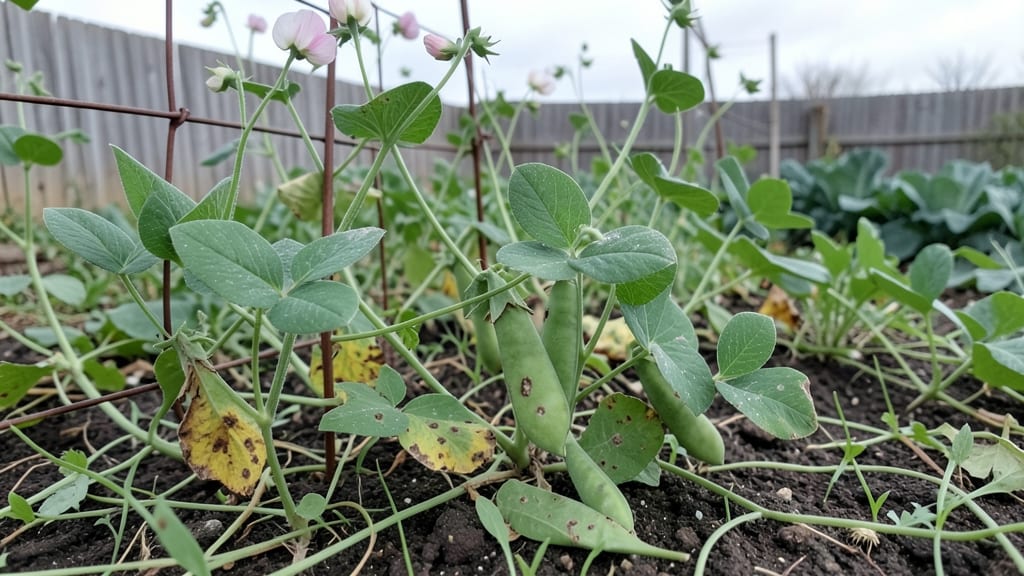
Garden pea diseases can turn your lush vines into a sad, spotted mess—until you learn the early warning signs. 🌱 I’ve seen powdery mildew turn tender leaves to dust and root rot collapse plants overnight, but the right moves keep your peas thriving.
The key is spotting symptoms fast: yellowing leaves, fuzzy white patches, or stems that wilt like overcooked noodles.
Most problems start with moisture—too much rain, crowded plants, or poor airflow. My trick? Space peas 2-3 inches apart, water at the base (not overhead), and pick varieties like ‘Oregon Sugar Pod’ that resist common diseases. A quick soil test for drainage can save your harvest before it even starts.
Once you spot trouble, act fast. Neem oil or baking soda spray tackles mildew, while copper fungicide stops downy mildew in its tracks. For root rot, pull affected plants and replace soil—don’t let it spread. With these fixes, your peas stay vibrant green and productive, not a sad, shriveled disappointment.
Even experienced gardeners miss early signs, so check plants weekly. The goal isn’t perfection—it’s catching issues before they wreck your harvest. Let’s turn those warning signs into action steps for a healthy crop from seed to pod.
Root Causes of Pea Plant Struggles
Garden peas are resilient, but when diseases strike, they often do so because of a mix of environmental stress, poor growing conditions, and microbial invaders. Understanding why these issues arise is the first step to prevention.
Below, we break down the key culprits behind garden pea diseases—from fungal invaders to environmental mismatches—and explain the science behind their attacks.
Fungi are the most common culprits behind pea diseases, thriving in moist, cool conditions. These microscopic organisms release spores that infect plants, often entering through wounds, leaves, or roots. Here’s how they exploit your peas:
- Powdery Mildew (Erysiphe pisi): This fungus spreads via airborne spores and forms a white, powdery coating on leaves. It thrives in humid conditions (60–80% humidity) and weakens plants by blocking sunlight, reducing photosynthesis. Why it happens: Poor air circulation, overcrowded plants, and nighttime dew create the perfect breeding ground.
- Downy Mildew (Peronospora pisi): Unlike powdery mildew, this fungus attacks the undersides of leaves, causing yellow spots and a fuzzy gray growth. It needs free moisture (like rain or overhead watering) to germinate and infect. Why it happens: Wet foliage for prolonged periods (e.g., 12+ hours) triggers spore germination.
- Root Rot (Fusarium or Phytophthora): These soil-borne fungi target roots, causing them to turn brown, mushy, and decay. Why it happens:
- 🌡️ Overly wet or waterlogged soil (fungi thrive in anaerobic conditions).
- 🔥 Poor drainage (compacted or clay-heavy soils trap excess moisture).
- ❄️ Cold soil temperatures (below 50°F/10°C) slow root growth, making peas vulnerable.
Pro Tip: 💡 Fungi love stagnant water—always water at the base of plants in the morning to let foliage dry quickly.
Bacteria move quickly and can spread within days, often through wounds, tools, or even splashing water. Unlike fungi, they don’t need spores—they multiply rapidly in ideal conditions. Here’s how they attack:
- Bacterial Blight (Pseudomonas syringae): Causes dark, water-soaked spots on leaves and pods, often with a yellow halo. Why it happens:
- 💦 Overhead irrigation (splashes bacteria onto leaves).
- 🌡️ Warm, humid weather (70–85°F/21–29°C) accelerates bacterial growth.
- 🔪 Mechanical damage (e.g., hail, insect bites) creates entry points.
- Canker (Pseudomonas syringae pv. pisi): Forms sunken, discolored lesions on stems and pods. Why it happens: Poor sanitation—bacteria survive on old plant debris or contaminated tools.
Pro Tip: ✨ Disinfect pruners with rubbing alcohol (70%+) between cuts to prevent bacterial spread.
Some diseases aren’t caused directly by pathogens but are facilitated by pests. For example:
- Aphids and Viruses: These tiny insects don’t just sap nutrients—they transmit viral diseases like Pea Enation Mosaic Virus (PEMV). Why it happens:
- 🐜 Aphids feed on infected plants and spread viruses as they move to healthy ones.
- 🌿 Weedy patches nearby harbor aphids and viruses, acting as reservoirs.
- Wireworms and Root Damage: These soil-dwelling beetle larvae chew on roots, creating entry points for root rot fungi. Why it happens: Compacted or disturbed soil attracts wireworms, especially after tilling.
Pro Tip: 🎯 Use row covers early in the season to block aphids before they spread viruses.
Peas are cool-season crops, but extreme or inconsistent conditions invite disease. Here’s how:
- Too Much Rain or Irrigation: Excess moisture drowns roots (root rot) and keeps leaves wet (downy mildew). Why it happens: No rainbreaks in the garden layout or overwatering (e.g., daily light sprinkles).
- Poor Airflow: Crowded plants trap humidity, ideal for powdery mildew. Why it happens: Planting peas too closely (aim for 2–4 inches apart) or blocking wind paths with tall plants.
- Soil pH Imbalances: Peas prefer 6.0–7.0 pH. Why it happens:
- 🔥 Acidic soil (pH < 6.0) reduces nutrient uptake, weakening plants.
- 🌱 Alkaline soil (pH > 7.0) can lock out micronutrients like iron, stressing peas.
Pro Tip: 🌡️ Test your soil in early spring—adjust pH with lime (to raise) or sulfur (to lower) before planting.
By addressing these root causes—whether it’s fungal spores, bacterial spread, pest activity, or environmental stress—you’ll disrupt the cycle that leads to pea diseases. Prevention starts with understanding the "why" behind each threat.
Quick Fixes for Common Pea Problems
Now that you know what’s ailing your peas, let’s roll up our sleeves and get them back on track! 🌱💪 The good news? Most pea diseases and pests respond well to early action.
Below, we’ve mapped out practical, step-by-step solutions for each issue—plus prevention tips to keep your crop thriving long-term.
Fungal infections like powdery mildew, downy mildew, and root rot thrive in damp, crowded conditions. Act fast to prevent them from taking over.
🔥 Remove Infected Plants Immediately
- How: Snip off or pull affected leaves, pods, or entire plants (if severely infected) and dispose of them in the trash (not compost).
- Why: Fungal spores spread easily—don’t let them reinfect your garden.
- Pro Tip: 💡 Wear gloves and sanitize pruners with rubbing alcohol between cuts.
🌡️ Improve Airflow and Drainage
- How:
- Space plants 2–4 inches apart (follow seed packet guidelines).
- Avoid overhead watering—use drip irrigation or water at the base early in the day.
- Raise beds if soil drains poorly (add compost or sand to improve texture).
- Why: Fungi love humidity.
Reduce moisture on leaves and soil to break their cycle.
🛡️ Apply Fungicidal Sprays (Organic Options First)
| Disease | Treatment | Prevention |
|---|---|---|
| Powdery Mildew | Spray with baking soda mix (1 tsp baking soda + 1 quart water + a drop of dish soap) every 7–10 days. | Plant resistant varieties (e.g., ‘Oregon Sugar Pod’). |
| Downy Mildew | Use copper fungicide (follow label rates) or neem oil spray weekly. | Rotate crops—don’t plant peas in the same spot yearly. |
| Root Rot | Stop watering until soil dries 1–2 inches deep. Add compost to improve drainage. | Choose well-draining soil and avoid overcrowding. |
✨ Boost Plant Immunity
- How: Strengthen peas with foliar feeds like fish emulsion or seaweed extract (every 2–3 weeks).
- Why: Healthy plants resist infections better!
Aphids, pea weevils, and slugs can decimate a crop overnight. Manual removal + barriers work best for small gardens.
👨🍳 Handpick and Trap Pests
- Aphids:
- How: Blast them off with a strong stream of water (early morning).
- Trap: Place yellow sticky traps near plants to catch adults.
- Pea Weevils:
- How: Check pods daily—squish eggs (tiny white dots) and larvae (white grubs).
- Prevent: Cover young plants with fine netting until flowering.
- Slugs/Snails:
- How: Set out beer traps (bury a cup filled with beer) or use copper tape around beds.
- Natural Barrier: Crushed eggshells or diatomaceous earth (reapply after rain).
🔪 Use Organic Sprays (When Needed)
| Pest | Spray Solution | Frequency |
|---|---|---|
| Aphids | Soap spray (1 tbsp mild soap + 1 quart water) | Every 3–4 days |
| Pea Weevils | Neem oil (1 tsp + 1 quart water + drop of soap) | Weekly at dusk |
| Caterpillars | Bt (Bacillus thuringiensis) spray | Every 7–10 days |
🌱 Prevent Future Infestations
- Crop rotation: Don’t plant peas in the same spot for 3+ years.
- Interplant: Mix peas with onions, garlic, or marigolds to repel pests.
- Clean up: Remove plant debris in fall to eliminate overwintering pests.
If your peas are wilting, yellowing, or stunted due to heat, cold, or poor soil, these fixes will help.
💦 Fix Watering Woes
- Too much water? → Let soil dry between waterings; improve drainage.
- Too little water? → Water deeply 1–2 times/week (early morning).
- Pro Tip: 🌡️ Mulch with straw to retain moisture and cool roots.
🌿 Soil Nutrition Rescue
- Yellow leaves? → Nitrogen deficiency: Side-dress with compost or blood meal.
- Stunted growth? → Phosphorus boost: Use bone meal at planting.
- Test your soil: A $20 home kit can reveal pH/nutrient imbalances.
🌡️ Shield from Extreme Weather
- Heat stress? → Provide shade cloth (30–50%) during peak sun.
- Frost damage? → Cover plants with row fabric at night; choose cold-hardy varieties (e.g., ‘Green Arrow’).
To keep your peas disease-free next season: ✅ Rotate crops (avoid Leguminosae family repeats). ✅ Sterilize tools (bleach or alcohol between uses). ✅ Buy certified disease-free seeds. ✅ Monitor weekly for early signs of trouble. ✅ Plant at the right time (cool seasons = fewer fungal issues).
Remember: The key to happy peas is vigilance + quick action. 🚀 With these fixes, your garden will be back to producing sweet, pod-filled rewards in no time!
Frequently asked questions about pea plant diseases
How do I tell the difference between powdery mildew and downy mildew on my pea plants?
Powdery mildew appears as a white, powdery coating on the tops of leaves, while downy mildew shows up as yellow spots on top with a fuzzy gray growth on the undersides. Both thrive in damp conditions, but downy mildew needs prolonged leaf wetness to spread. Check both sides of leaves to confirm!
Can I still eat peas if they have fungal diseases like powdery mildew?
Yes, but only if the pods themselves are unaffected. Remove and discard any leaves or stems with visible fungus. The disease rarely spreads to the edible parts, but avoid eating plants treated with chemical fungicides. Always wash pods thoroughly before cooking.
What's the fastest way to prevent root rot in my pea plants?
Improve drainage immediately by amending soil with compost or perlite and watering only when the top 1 inch of soil is dry. Avoid planting in low spots where water pools. For existing plants, reduce watering until soil dries 1-2 inches deep to stop fungal growth.
Are there pea varieties that naturally resist common diseases?
Look for varieties labeled as disease-resistant, like 'Oregon Sugar Pod' (powdery mildew resistant) or 'Green Arrow' (cold-hardy and blight-resistant). Always check seed packets for specific resistance claims. Rotating varieties yearly also helps prevent buildup of soil-borne pathogens.
How often should I inspect my pea plants for early disease signs?
Check plants weekly, especially after rain or overhead watering. Focus on leaf undersides, stems, and soil near roots. Early detection gives you time to act before diseases spread. A quick 5-minute inspection can save your entire harvest!