
Tools
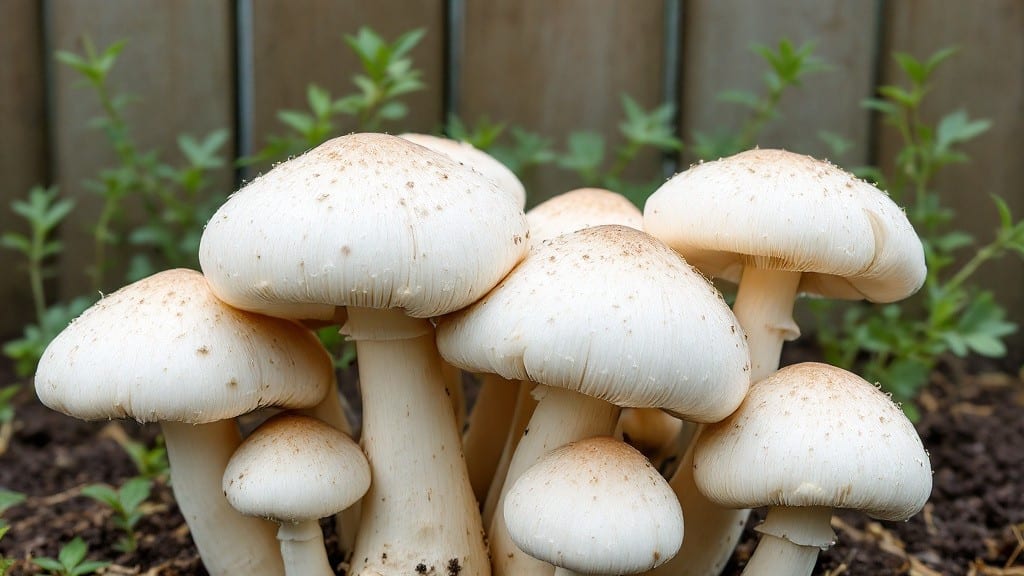
Identifying garden mushrooms can turn a mystery into a rewarding discovery—or a dangerous mistake. 🌿 I’ve spent years watching mushrooms pop up after rain, and learning to tell the safe ones from the ones that should never touch your plate.
The difference often comes down to a few key details: cap shape, gill color, and where they grow.
Most garden mushrooms are harmless, but a few look-alikes can be deadly. For example, the common morel has a honeycombed cap and grows in wooded areas, while the destroying angel (toxic) has white gills and a smooth cap.
Always check the stem, gills, and spore print—even experts use these clues to confirm their ID. If you’re unsure, assume it’s poisonous until proven otherwise.
Safe handling starts with gloves and a knife—never eat a mushroom raw. Take photos of the cap, stem, and gills from multiple angles, then compare them to trusted guides. When in doubt, consult a mycologist or local forager group. Even experienced gardeners double-check before harvesting anything from their yard.
Unwanted mushrooms? Reduce soil moisture and improve airflow by spreading mulch or adding compost. Most garden mushrooms thrive in damp, shaded spots—soaking up excess water and decaying organic matter. A little prevention keeps your garden productive and your family safe.
What Triggers Wild Mushroom Growth
Mushrooms popping up in your garden aren’t random—they’re nature’s way of recycling nutrients, and they thrive under very specific conditions. Understanding these triggers helps you identify garden mushrooms and even encourage (or discourage) their growth. Here’s why they appear when and where they do.
Mushrooms are the fruiting bodies of fungi, which rely on decomposing organic matter to grow. If your garden soil is rich in decaying plant material, wood chips, or compost, you’re essentially rolling out the red carpet for fungal growth.
- Carbon-to-Nitrogen Ratio: Fungi prefer soils with a higher carbon (C) content, like wood chips or leaf litter, but they also need nitrogen (N) for protein synthesis. A balanced ratio (around 20:1 to 30:1 C:N) creates the perfect breeding ground. Test your soil’s composition—if it’s too high in nitrogen (e.g., from fresh manure), mushrooms may struggle to colonize.
- Organic Debris: Buried logs, old stumps, or even mulch piles act as fungal "hotspots." Wood-decaying mushrooms (like oyster or shiitake) will sprout near cellulose-rich materials, while soil-dwelling species (like morels or chanterelles) favor humus-rich beds.
- Disturbed Soil: Digging, tilling, or planting disrupts fungal networks (called mycelium). When spores land in fresh disturbances, they germinate rapidly—explaining why mushrooms often appear after gardening or landscaping.
Actionable Tip: If mushrooms are unwanted, reduce organic matter in planting beds or use black plastic mulch to block light (which fungi need to fruit). For gardeners who want edible mushrooms, inoculate compost piles with mushroom spawn to cultivate them intentionally.
Fungi are 90% water—without consistent moisture, their spores won’t germinate, and mycelium will dry out. Mushrooms often erupt after heavy rain or prolonged dampness because:
- Spore Germination: Spores need high humidity (80%+) and free water to activate. A single rainstorm can trigger a "mushroom flush" within days. Drought followed by sudden downpours is a classic recipe for outbreaks.
- Mycelium Expansion: Underground fungal networks grow fastest in moist soil. If your garden stays damp (e.g., low-lying areas, poor drainage), mycelium spreads aggressively, leading to larger, more frequent crops of mushrooms.
- Temperature Shifts: Cool, wet conditions (50–75°F) are ideal for most garden mushrooms. After a warm spell, a drop in temps + moisture = perfect fruiting conditions.
Pro Tip: Use a soil moisture meter to monitor levels. If mushrooms are a nuisance, improve drainage with gravel or sand amendments or redirect water away from problem areas. For foragers, harvest after rain—that’s when wild edibles like morels or chanterelles peak!
Mushrooms are highly sensitive to temperature, and their growth is tied to seasonal changes. Most garden mushrooms follow this pattern:
| Season | Common Mushroom Types | Why They Appear |
|---|---|---|
| Spring (40–60°F) | Morels, chanterelles, wood blewits | Cool soil + melting snow or spring rains activate dormant spores. Morels often emerge after disturbances like frost heaving. |
| Summer (60–80°F) | Oyster mushrooms, shiitake, field mushrooms | Warmth speeds up mycelium growth, but heatwaves can stall fruiting—look for mushrooms after brief cool snaps. |
| Fall (50–70°F) | Chestnuts, lion’s mane, honey mushrooms | Moderate temps + leaf litter create ideal conditions. Wood-decay fungi thrive as trees shed nutrients. |
| Winter (Frost/Snow) | Some cold-hardy species (e.g., Agaricus spp.) | Snow acts as insulation, keeping soil temps stable. Mushrooms may fruit under snow if mycelium is active. |
Key Insight: Mushrooms often appear 24–48 hours after temperature drops (e.g., after a heatwave or before frost). Use a soil thermometer to predict flushes—most fungi fruit when soil temps are 10–15°F cooler than air temps.
Mushrooms don’t just appear—they outcompete other organisms for resources. Their growth is influenced by:
- Weakened Plant Life: Stressed, dying, or dead plants (e.g., fallen leaves, rotting roots) release sugars and nutrients that fungi exploit. Lawn mushrooms often sprout after grubs or drought kill grass.
- Animal Activity: Burrowing animals (moles, gophers) aerate soil, creating perfect spots for mushrooms to fruit. Even earthworm castings can trigger growth by enriching soil.
- Lack of Predators: In healthy ecosystems, insects, birds, and bacteria keep fungal populations in check. If these predators are absent (e.g., due to pesticides), mushrooms may overproliferate.
Foraging Hack: Look for mushrooms near disturbed soil, animal burrows, or dead wood—these are hotspots for wild edibles like maitake (hen-of-the-woods) or lion’s mane. Avoid areas with chemical fertilizers, as they can alter mushroom flavors or toxicity.
Fixing Common Mushroom Misidentifications
Mistakenly identifying mushrooms in your garden can lead to confusion, wasted effort, or even safety risks. Whether you’re dealing with lookalikes, spoiled specimens, or invasive species, here’s how to address the most common issues—plus prevention tips to keep your garden thriving.
Problem: Your edible garden mushrooms resemble toxic varieties (e.g., Amanita species or Galera mushrooms).
Solution:
- 🔍 Double-check the gills and stem:
- Edible mushrooms (like Agaricus bisporus) have free gills attached to the stem.
- Toxic lookalikes (e.g., Amanita phalloides) often have gills attached to a ring or volva (a cup-like base).
- Pro tip: Use a magnifying glass for close inspection—some deadly mushrooms have white gills that bruise yellow or pink.
- 📏 Measure key features:
- Toxic Galera mushrooms (e.g., Galera marginata) have a slimy cap and no ring on the stem.
- Edible Psycybella (like Psilocybe cubensis) may have similar caps but lack a volva.
- Quick fix: Snap a photo and compare with a field guide app (like iNaturalist or Mushroom Identifier).
- 🧪 Test with vinegar (for Amanita risk):
- Squeeze a drop of vinegar on the cap—if it turns bright red, it’s likely an Amanita (toxic). If no color change, proceed with caution.
Prevention:
- 🌱 Avoid planting near oak or pine trees, where toxic Amanita species thrive.
- 📅 Harvest in the morning—many toxic mushrooms release spores later in the day, making them less conspicuous.
Problem: Your garden mushrooms develop slimy textures, off smells, or discoloration before you can pick them.
Solution:
- ⏳ Harvest at the right stage:
- Young mushrooms (before the cap fully opens) are firmer and less prone to spoilage.
- Sign to watch: If the gills are gray or brown (not white), harvest immediately.
- 🌡️ Store them properly:
- 🥫 For short-term use: Place in a paper bag (not plastic) in the fridge for 3–5 days.
- ❄️ For long-term storage: Slice and freeze (they’ll last 6+ months).
- Pro tip: Sprinkle with a pinch of salt before storing to slow moisture buildup.
- 🔄 Revive wilted mushrooms:
- Soak in cold water for 10–15 minutes, then pat dry. They’ll often firm up for cooking.
Prevention:
- 💧 Water in the evening to reduce humidity overnight (excess moisture speeds spoilage).
- 🌿 Thin out dense clusters—overcrowded mushrooms compete for nutrients and rot faster.
Problem: Unwanted mushrooms (like Armillaria or Honey Fungus) spread through your garden, damaging plants.
Solution:
- 🪓 Remove the source:
- Dig up mushroom clusters and infected roots (wear gloves—some spores are harmful).
- Hard fix: For Armillaria, cut the rhizomorphs (black, root-like strands) with sterilized shears.
- 🌱 Improve soil health:
- ✨ Add compost to boost beneficial microbes that outcompete pathogens.
- 🌿 Plant resistant species (e.g., lavender, rosemary, or garlic) around affected areas.
- 🛡️ Use organic fungicides (last resort):
- Spray neem oil or copper fungicide on soil where mushrooms emerge (follow label instructions).
Prevention:
- 🌱 Avoid wood chips/mulch near garden beds—these attract Armillaria.
- 🌞 Increase sunlight—many invasive mushrooms thrive in shaded, damp areas.
Problem: You’re unsure if a mushroom is mature, overripe, or safe to eat.
Solution:
- 📅 Age test:
- Young: Cap is closed or partially open, gills are white.
- Mature: Cap is fully open, gills are gray/brown (still edible if no other signs of rot).
- Overripe: Cap is slimy, discolored, or smelly—discard immediately.
- 🧪 Simple edibility test (for experienced foragers):
- 🍳 Cook a small piece and taste (if no reaction after 15–30 minutes, it’s likely safe).
- ⚠️ Warning: Never eat wild mushrooms without 100% certainty—some toxins cause delayed symptoms.
Prevention:
- 📚 Join a local foraging group—experts can help ID tricky species.
- 📸 Document each find with location, date, and photos for future reference.
Final Reminder: When in doubt, throw it out. Mushroom misidentification is the #1 cause of foraging accidents—safety first! 🍄✨
Frequently asked questions
How can I tell if a garden mushroom is safe to eat?
Always examine the gills, stem, and cap shape. Edible varieties like button mushrooms have free gills attached to the stem, while toxic lookalikes (e.g., Amanita) often have a cup-like base or ring. Never eat wild mushrooms without 100% certainty—when in doubt, consult a mycologist or use a trusted field guide app like iNaturalist.
What are the most common toxic mushrooms found in gardens?
The destroying angel (Amanita bisporigera) and death cap (Amanita phalloides) are deadly lookalikes for button mushrooms. Both have white gills and a bulbous base. The false morel (Gyromitra) is another dangerous species—it has a wrinkled cap instead of the honeycomb pattern of true morels. Always avoid slimy or discolored specimens.
Why do mushrooms keep appearing after I remove them?
Mushrooms grow from underground fungal networks called mycelium. Digging up clusters may not eliminate the source—spores can linger in soil for years. To prevent regrowth, improve drainage, reduce organic debris, and consider adding compost tea to encourage beneficial microbes that outcompete fungi.
Can I grow edible mushrooms in my garden intentionally?
Yes! Start with mushroom spawn (like oyster or shiitake) and inoculate compost piles, logs, or straw beds. Keep the area moist (80% humidity) and shaded. Avoid chemical fertilizers—they can alter flavor or toxicity. Harvest when caps are partially open for best texture.
How do I take a spore print for identification?
Place the cap (gills down) on white paper overnight in a covered container (no light). The spores will leave a distinct print—white for button mushrooms, brown for portobellos, or olive for chanterelles. Compare the print to guides to narrow down the species.