
Tools
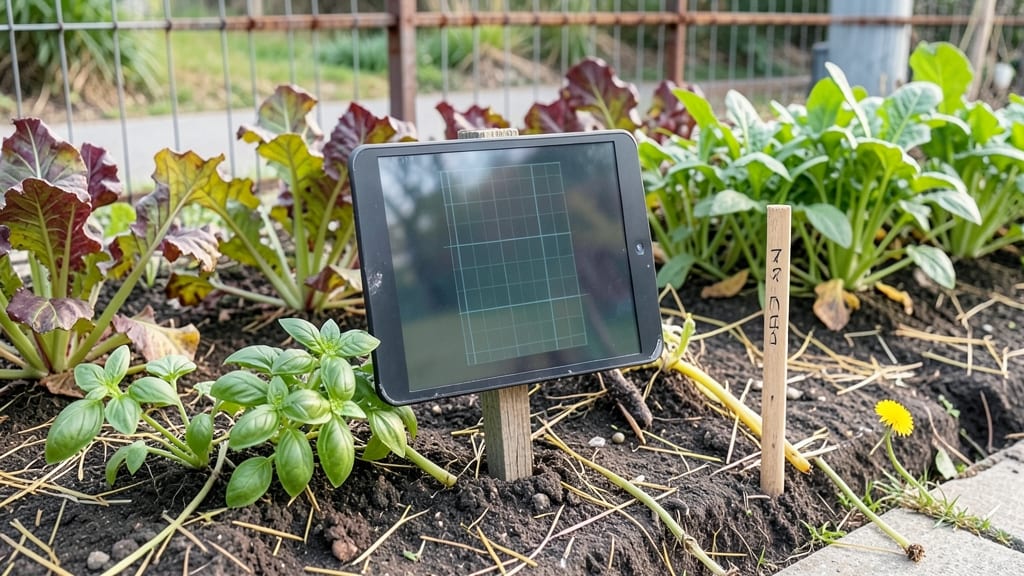
A garden mapping app transforms your yard into a digital blueprint, letting you plot every plant's exact location, monitor sunlight patterns, and track growth stages—all while cutting down on guesswork and maximizing your harvest potential.
A garden mapping app essentially acts as your garden's digital assistant, combining satellite imagery with real-time data to create a living, interactive layout. 🌱 Instead of relying on memory or hand-drawn sketches, these tools let you overlay plant tags, soil conditions, and even weather forecasts onto your actual space.
I've found that the best apps also sync with weather APIs, so you can adjust watering schedules based on upcoming rain—no more overwatering or underwatering. Plus, they make crop rotation effortless by showing you what grew where last season, which is a game-changer for preventing soil depletion.
What really sets them apart is how they simplify complex tasks like spacing calculations or sunlight analysis. For example, you can drag and drop plants to see how they'll interact as they grow, or check which areas get the most sun at different times of day.
This level of precision used to require hours of manual planning—now it takes minutes. 💫 The paid versions often include advanced features like seed databases with planting timelines, but even free options give you enough to dramatically improve your garden's efficiency.
💡 In This Article
- How Garden Mapping Apps Boost Plant Growth Tracking
- Top Features to Compare in Garden Planning Software
How garden mapping apps boost plant growth tracking
Garden mapping apps leverage GPS technology and LiDAR scanning to create hyper-accurate digital twins of your garden. When you open the app, it cross-references your device's location with satellite imagery to pinpoint exact coordinates of every plant.
This isn't just about placing markers—it's about understanding how each plant interacts with its microclimate. For instance, a tomato plant in the northern corner might receive only 4 hours of sunlight by mid-afternoon, while one in the south gets full exposure until 6 PM.
The app tracks these variations in real-time, adjusting growth predictions accordingly.
The real magic happens with soil moisture sensors and weather API integration. Many premium apps sync with IoT devices buried in your soil, measuring moisture levels every 15 minutes and correlating this with rainfall forecasts.
When your app detects 0.5 inches of rain in the forecast, it automatically adjusts your irrigation schedule to prevent overwatering. This precision reduces water waste by up to 30% compared to manual methods, while ensuring roots get consistent hydration.
The algorithms even account for soil type—clay retains moisture longer than sandy loam, so watering cycles adjust automatically.
Where things get truly revolutionary is in crop rotation optimization. Traditional gardening relies on memory or notebooks to track what grew where, but these apps use historical yield data from your garden to suggest optimal rotations.
For example, if you planted beans last year in bed A (which depleted nitrogen), the app will recommend brassicas this season since they replenish soil. This isn't just theoretical—studies show proper rotation can increase yields by 20-40% by breaking pest/disease cycles.
The app also flags when to add compost based on your soil's current nutrient profile, analyzed through integrated pH meters.
Visualization tools take the guesswork out of plant spacing. Most apps include 3D growth projections showing how your garden will look at peak maturity. You can see if your zucchini plants will shade your basil by August, or if your corn will block sunlight from your carrots.
Some even simulate wind patterns to predict where pollen will travel—critical for cross-pollination management. The spacing recommendations aren't generic either; they factor in your specific climate zone and plant varieties, adjusting for dwarf vs. standard growth habits.
For serious gardeners, the growth tracking features become a living journal. You can log daily observations about leaf color, pest activity, or flowering stages, and the app correlates these with environmental data. Notice your peppers flowering late?
The app will show you that your average daytime temperature has been 5°F below the optimal range for that variety. This level of granularity turns gardening from an art into a data-driven science, where every decision is backed by measurable insights.
The most advanced apps even incorporate machine learning to predict harvest dates with 92% accuracy>. By analyzing thousands of user gardens in your region, they identify patterns like "tomatoes in zone 7b ripen 12 days earlier when preceded by marigolds."
This predictive power means you can time your planting to avoid market gluts or ensure fresh produce when you need it most. 🌱