
Pests
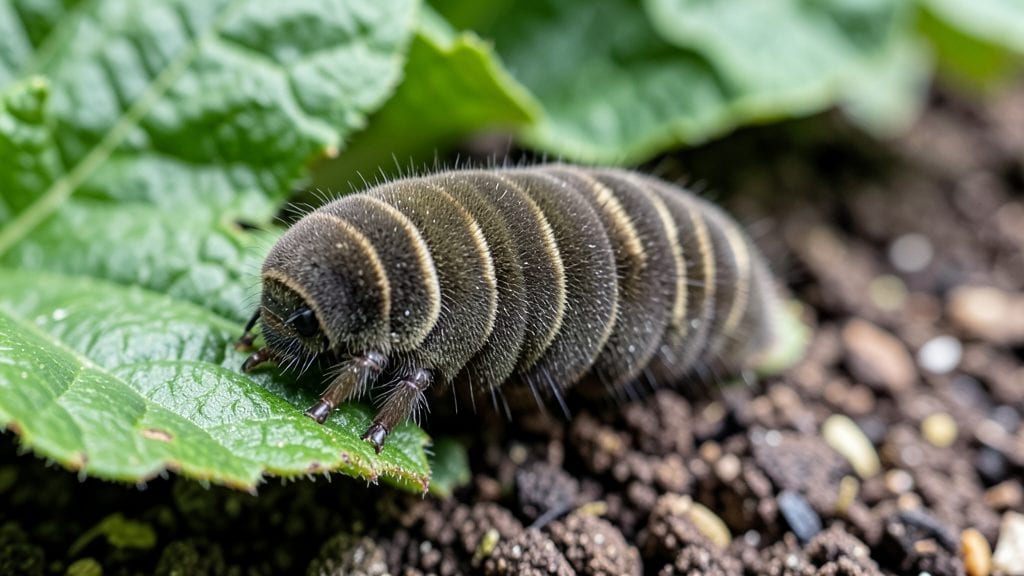
Mastering garden grubs identification is key when you spot half-eaten leaves or wilting plants drowning in their own soil. Those are classic signs of garden grubs at work—tiny but destructive larvae chewing through roots and stems before you even notice.
I’ve pulled more squirming grubs from my soil than I care to admit, and each time, the damage was the same: stunted growth, sudden wilting, and plants that collapse overnight like they’ve been shot. The key to stopping them starts with knowing exactly what you’re dealing with.
Grubs come in different shapes and sizes, but they all follow the same pattern: creamy white or tan bodies, curved shapes, and a love for munching on roots. Cutworms leave clean-cut stems at soil level, while scarab grubs create tunnels that make plants topple over.
Wireworms, the toughest of the bunch, gnaw through seeds and bulbs before they even sprout. The damage isn’t just cosmetic—it’s what keeps your garden from thriving, no matter how much you water or fertilize.
Once you spot the clues—chewed roots, wilting despite damp soil, or grubs wriggling when you turn over a clump of earth—you can act fast. Prevention is easier than cleanup, and the right organic fixes (like nematodes or milky spore) can keep your soil grub-free for years.
The best part? You’ll see stronger plants within weeks, with roots that grow deep instead of getting gnawed away.
This works for lawns, vegetable patches, and even container gardens where grubs hide in potting mix. Let’s get your soil back in shape—before the next generation of grubs hatches and turns your hard work into a buffet.
Root Causes of Grub Infestations
Grubs—those squirming, C-shaped larvae—don’t just appear out of nowhere. Their presence is usually a sign of deeper issues in your garden’s ecosystem. Understanding why these pests thrive helps you tackle the problem at its source. Below, we break down the key factors that turn your soil into a grub buffet.
Grubs love moist, soft soil because it’s the perfect nursery for their development. Here’s why overwatering or poor drainage creates ideal conditions:
- Excess Moisture: Grubs (especially Japanese beetle and European chafer larvae) thrive in damp soil because it slows down natural predators like birds and beneficial nematodes. Think of it like a spa retreat for grubs—cool, wet, and undisturbed. - Compacted Soil: Heavy foot traffic, machinery, or clay-heavy soil compresses the earth, making it easier for grubs to burrow and feed on roots.
Compacted soil also reduces oxygen flow, stressing plants and making them more vulnerable to pest attacks. - Organic Matter Buildup: While compost enriches soil, too much organic debris (like thick mulch layers) can attract adult beetles to lay eggs.
Once hatched, grubs have a smorgasbord of decaying material to munch on before moving to live roots.
Actionable Fix: 🔧 Test your soil’s drainage—dig a 12-inch hole, fill it with water, and time how long it takes to drain. If it’s slower than 6 hours, amend with sand or gypsum. 🌿 Aerate compacted areas using a garden fork or a core aerator to break up dense soil.
Healthy plants can fend off grubs better than those already struggling. Here’s how plant stress invites infestations:
- Nutrient Deficiencies: Plants low in nitrogen or phosphorus are weaker and produce fewer defensive compounds (like tannins) that deter grubs.
Grubs detect these deficiencies and target the easiest meals. - Disease or Pest Damage: If your plants are already battling fungal infections (like root rot) or other pests (like aphids), their roots become an easy target.
Grubs exploit compromised root systems like vultures at a buffet. - Improper Pruning: Over-pruned or root-bound plants have limited energy to fight off invaders. Grubs capitalize on this by feeding on the most accessible parts of the root system.
Actionable Fix: 💡 Boost plant resilience with a balanced fertilizer (10-10-10) and mulch with wood chips to retain moisture without suffocating roots. 🚫 Remove diseased plants immediately—they’re magnets for secondary pests like grubs.
Grubs are the larvae of beetles, and their lifecycle starts with adult beetles laying eggs in your soil. Here’s how their behavior fuels infestations:
- Beetle Feasting Habits: Adult Japanese beetles, June bugs, and chafer beetles feed on foliage (especially roses, grapes, and corn) before laying eggs in well-drained, grassy, or garden soil. The more they eat, the more eggs they produce. - Timing Matters: Most beetles lay eggs in late summer or early fall, which hatch into grubs just as plants start their winter dormancy—making roots an easy target. - Grass vs. Garden Soil: While lawns are a common hotspot, ornamental gardens with rich soil and mulch can also attract egg-laying females.
Beetles prefer areas with 60–70% moisture and organic matter.
Actionable Fix: ⏰ Monitor beetle activity—set up traps in early summer to reduce adult populations before they lay eggs. 🌱 Mow high (3–4 inches)—taller grass discourages some beetles from laying eggs in lawns.
Grubs are highly sensitive to temperature and seasonal changes, which dictate their lifecycle stages:
- Warm Seasons: Grubs thrive in 60–85°F soil temperatures. In regions with hot summers, they may go dormant in extreme heat but rebound when temperatures cool. - Rainy Seasons: Excess rainfall softens soil, making it easier for grubs to move and feed.
It also washes away natural predators like ground beetles. - Drought Stress: While grubs dislike drought, the plants they feed on suffer first. Weakened roots from dry conditions become an easier target once moisture returns.
Actionable Fix: 🌡️ Use soil thermometers to track conditions—if temps stay above 85°F for weeks, grubs may retreat deeper. 💧 Adjust watering schedules—deep, infrequent watering encourages deeper root growth, which grubs may avoid.
A balanced ecosystem keeps grub populations in check. When predators disappear, grubs multiply unchecked:
- Birds: Robins, skunks, and moles feast on grubs but avoid areas with chemical pesticides or over-manicured lawns. - Beneficial Nematodes: Microscopic worms like Steinernema carpocapsae naturally infect and kill grubs.
They thrive in well-aerated, moist soil but die in dry or pesticide-treated conditions. - Ground Beetles and Toads: These creatures hunt grubs but struggle in compacted or chemically treated soil.
Actionable Fix: 🐦 Create predator-friendly habitats—leave leaf litter in borders, install birdhouses, or introduce nematodes (like Heterorhabditis bacteriophora) in early spring. 🚫 Avoid broad-spectrum pesticides—they kill both pests and their natural enemies.
Quick Fixes for Garden Grubs
Got unwanted grubs wreaking havoc in your garden? Don’t panic—these practical solutions will help you reclaim your plants and soil. Below, we’ve mapped common causes to easy, effective fixes, along with prevention tips to keep grubs at bay for good.
Before diving into treatments, confirm the grub type and damage level.
Use this quick checklist: - White grubs (C-shaped, creamy-white larvae) → Likely from Japanese beetles, May/June beetles, or chafers. - Black or brown grubs (stout, segmented) → Possibly cutworms or wireworms. - Surface damage (chewed leaves, notched edges) → Cutworms or armyworms. - Root damage (wilted plants, soil tunnels) → White grubs feeding underground.
Once you’ve ID’d the culprit, pick your battle plan below.
For white grubs (Japanese beetle larvae, etc.):
- 🍳 Beneficial Nematodes (Heterorhabditis bacteriophora)
- How to use: Apply nematodes to moist soil in early evening (they’re sensitive to sunlight). Water lightly afterward. Repeat every 4–6 weeks during grub season (spring/fall).
- Why it works: Microscopic nematodes infect and kill grubs without harming plants or beneficial insects.
- Pro tip 💡: Mix nematodes with water in a spray bottle for even distribution.
- 🥘 Neem Oil Spray (for surface grubs like cutworms) - How to use: Spray neem oil (1 tsp per quart of water + a drop of dish soap as an emulsifier) on leaves and soil surface.
Reapply after rain. - Why it works: Disrupts grubs’ feeding and growth cycles. Best for young larvae.
- 🔪 Milky Spore (Bacillus popilliae) - How to use: Sprinkle milky spore powder on lawns/soil in early spring or fall. Water in well.
Takes 2–3 years to establish but provides long-term control. - Why it works: A natural bacteria that infects Japanese beetle grubs, reducing populations by up to 90%.
For severe infestations (white grubs, wireworms):
- 🧪 Imidacloprid or Chlorantraniliprole Granules
- How to use: Apply granules to soil according to package instructions (usually spring or early fall). Water thoroughly to activate.
- Caution ⚠️: Avoid overuse—these can harm bees and beneficial insects. Follow label rates strictly.
- 💥 Carbaryl (Sevin) Dust
- How to use: Dust directly into soil tunnels or around plant bases. Reapply after heavy rain.
- Why it works: Fast-acting but toxic to all insects—use sparingly and only in targeted areas.
For all grub types:
- 👨🍳 Handpick & Drown
- How to do it: After watering, grubs will rise to the surface. Scoop them into soapy water or a bucket of soapy water to kill them.
- Best for: Small gardens or early-stage infestations.
- 🔪 Trap Crops & Row Covers
- How to use: Plant sacrificial crops like marigolds or beans near infested areas. Cover young plants with floating row covers to block adult beetles from laying eggs.
- Why it works: Distracts pests and prevents egg-laying.
- 🌡️ Soil Solarization (For Wireworms)
- How to use: In hot climates, cover moist soil with clear plastic for 4–6 weeks in peak sun. The trapped heat kills eggs and larvae.
- Pro tip ✨: Add a thin layer of black plastic for extra heat absorption.
Once you’ve tackled the current infestation, stop future invasions with these habits:
- 🌱 Rotate Crops: Avoid planting the same family (e.g., corn, tomatoes) in the same spot yearly—grubs target familiar hosts.
- 🌿 Healthy Soil: Encourage predators like birds, toads, and ground beetles by adding compost and avoiding chemical overuse.
- 🌙 Nighttime Patrols: Check for cutworms rolling up leaves at dusk—handpick and drop into soapy water.
- 🍄 Mulch Strategically: Use coarse mulch (like wood chips) to deter egg-laying adult beetles.
- 📅 Timely Mowing: Keep grass short to expose grubs to birds and sun (they dry out quickly).
Final Note: Most grub problems are manageable with early action and preventive care. Start with organic methods, and reserve chemicals only for severe cases. Happy gardening! 🌱🐞
Frequently asked questions
What do garden grubs look like up close?
Most garden grubs are creamy white or tan, with a smooth, slightly curved body and no legs. Japanese beetle grubs have six legs near their head, while wireworms (a type of click beetle larva) are slender and brown with a hard shell. Cutworms are stouter and may have dark stripes or spots. Always check for these details when digging up suspicious larvae.
How do I tell if my plants are being eaten by grubs vs. other pests?
Grubs feed underground, so look for wilting plants, yellowing leaves, or toppled seedlings with no visible above-ground damage. Cutworms leave clean-cut stems at soil level, while aphids or caterpillars cause visible holes in leaves. Dig up roots—if you find C-shaped larvae or tunnels, grubs are the culprit.
Are all grubs harmful to gardens?
Most garden grubs are pests, but some—like beetle larvae in compost—break down organic matter. Harmful types (Japanese beetle grubs, wireworms) attack roots, while beneficial ones (like soldier fly larvae) help aerate soil. The key is location and behavior: If they’re chewing roots or stems, they’re bad news.
Can I use coffee grounds to repel grubs?
Coffee grounds won’t kill grubs, but they may deter some adult beetles from laying eggs due to their acidity. For best results, mix used grounds into soil as a mulch or compost additive. Pair this with nematodes or milky spore for a stronger defense.
How long do grub infestations last in my garden?
Grubs typically survive 1–2 years in soil, depending on the species. Japanese beetle grubs take about a year to mature, while wireworms can linger for 2–3 years. Early treatment with nematodes or milky spore shortens their lifecycle. Monitor soil in spring and fall for signs of new larvae.