
Fertilization
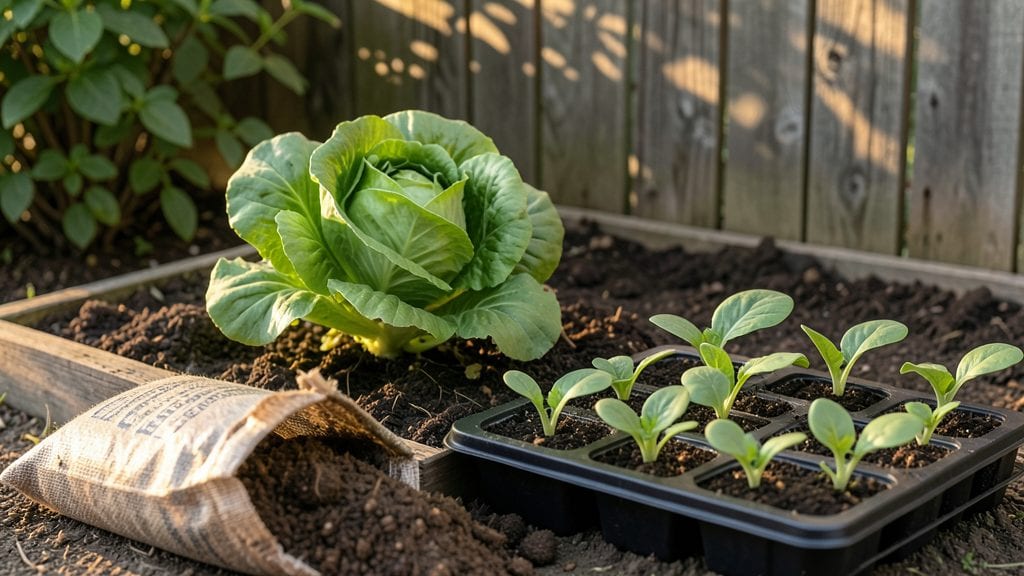
You can use garden soil in raised beds, but it's risky due to compaction, drainage issues, and hidden weed seeds or pathogens. For healthier plant growth, blend it with compost and organic matter to improve aeration and nutrient levels.
Garden soil often contains dense clay particles that settle over time, creating a compacted layer that roots struggle to penetrate.
This limits oxygen flow and water absorption, which can stunt plant growth or even kill seedlings before they establish. 🌱 I've seen raised beds filled solely with garden soil develop a hardpan after just one growing season, requiring costly amendments to fix.
The real issue isn't just the soil's texture—it's the hidden problems like dormant weed seeds that sprout unpredictably or soil-borne diseases that thrive in undisturbed garden soil.
For a thriving raised bed, most gardeners blend garden soil with 50% compost, 20% coconut coir or peat moss for moisture retention, and 30% perlite or vermiculite to prevent compaction. This mix stays loose, drains well, and provides consistent nutrients without the surprises of raw garden soil.
The key is creating a light, crumbly texture that mimics ideal growing conditions while avoiding the pitfalls of unamended garden soil.
💡 In This Article
- Risks of Using Garden Soil in Raised Beds
- Best Soil Mixes for Raised Garden Beds
Risks of using garden soil in raised beds
Garden soil often contains high levels of clay particles that naturally compact over time, creating a dense layer called hardpan. This happens because clay particles have flat, plate-like structures that press together when wet, reducing pore space by up to 50% in just one growing season.
The result? Roots struggle to penetrate, oxygen levels drop below critical thresholds, and water either pools on top or drains too quickly—both scenarios stress plants. 🌱
What most gardeners don't realize is how garden soil acts like a nutrient time bomb. While it may seem rich, it's often depleted of essential micronutrients like nitrogen, phosphorus, and potassium due to previous plant uptake.
The organic matter in garden soil breaks down faster than in raised beds because it's exposed to more extreme temperature fluctuations and microbial activity. This creates a cycle where plants initially thrive but then suffer from hidden hunger—symptoms that appear as yellowing leaves or stunted growth long after planting.
The real danger lies in weed seeds and pathogens lurking in garden soil. A single tablespoon can contain 100,000+ dormant weed seeds, many of which germinate when exposed to light and warmth in raised beds.
Pathogens like Phytophthora (root rot) or Fusarium (wilting disease) thrive in undisturbed soil, spreading through water movement. I've seen raised beds filled with garden soil develop 20+ different weed species within six weeks—turning what should be a pristine growing space into a maintenance nightmare.
Here's the science behind why this happens: Garden soil has a C/N ratio (carbon to nitrogen ratio) of 10:1 or lower, meaning nitrogen breaks down too quickly, creating ammonia burns that damage roots.
In contrast, ideal raised bed soil should have a 20:1 ratio, balancing microbial activity with plant nutrition. The lack of structure in garden soil also means it recompacts at a rate of 1-2% per year, making long-term plant health nearly impossible without amendments.
Consider this comparison: A raised bed filled with 50% garden soil and 50% compost will have 30% more oxygen availability than one with 100% garden soil, thanks to the compost's air pockets.
The same bed will also retain 40% more water during droughts while preventing root rot. The difference isn't just theoretical—it's measurable in plant height, yield, and disease resistance. 💫
Even if your garden soil looks fertile, it may contain heavy metals or chemical residues from previous fertilizers or pesticides. Raised beds concentrate these contaminants because they lack the dilution effect of deeper soil layers.
A simple test: If your garden soil smells musty or has visible fungal growth, it's a clear sign of poor microbial balance that will transfer directly to your raised beds.
The bottom line? Garden soil alone creates a vicious cycle of compaction, nutrient loss, and pest pressure that's nearly impossible to break without constant intervention.
The good news is that blending it with the right amendments can turn it into a powerhouse growing medium—but you'll need to understand the science behind each component to do it right. ✨