Trees
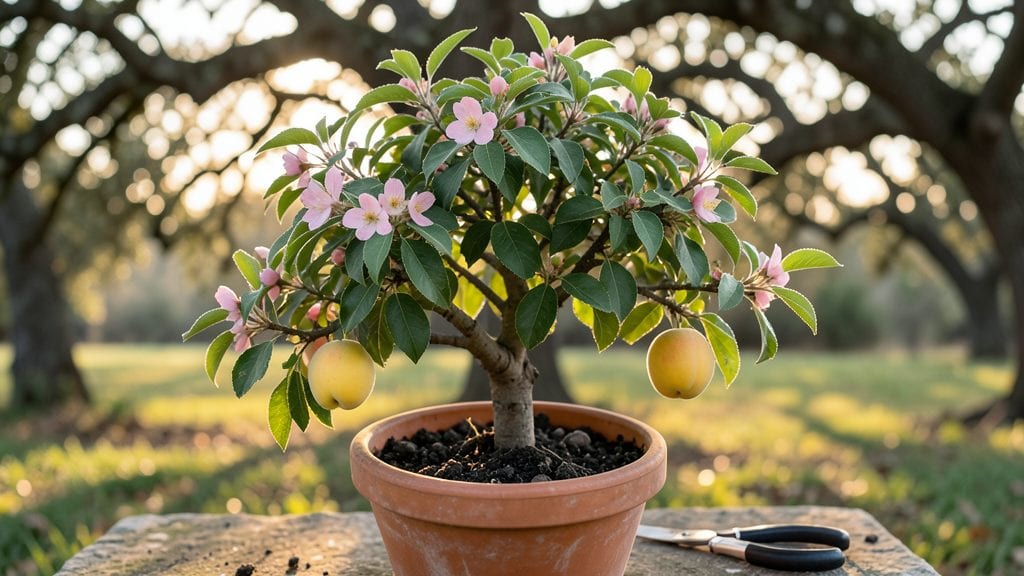
Growing a Garden Gold miniature peach tree in your backyard means sweet, juicy fruit without the space of a full-sized tree. 🌱 I planted mine last spring in a 15-gallon container, and now it’s covered in blossoms—and I’m already dreaming of summer peaches.
These dwarf varieties pack all the flavor of their larger cousins but stay small enough for patios, balconies, or even large pots.
The secret to their success lies in three things: well-draining soil, 6+ hours of sunlight daily, and consistent watering—especially in the first year. I use a mix of compost and native soil to keep roots happy, and a drip irrigation system to avoid overwatering.
Once established, they’re surprisingly low-maintenance, producing fruit reliably even in small spaces.
By late summer, you’ll be picking golden, freestone peaches that taste sweeter than anything from the grocery store. The trees stay under 6 feet tall, so they’re perfect for urban gardens or backyards with limited room.
With proper care, you could be harvesting fruit for 10+ years—and that’s a reward worth the effort.
Here’s the best part: these trees thrive in USDA Zones 5-9, making them adaptable to most climates. Whether you’re a first-time gardener or a seasoned grower, this little tree delivers big results. Let’s get yours planted and fruiting!
📚 In This Guide
- What you need
- Instructions
- Tips and common mistakes
- Wrapping up and next steps
What you need
- ● Dwarf Garden Gold Miniature Peach Tree: 1 (bare-root or potted, 3–4 feet tall at maturity). Choose from reputable nurseries for disease-resistant varieties.
- ● Well-draining potting soil or garden soil: 5+ gallons (amend with compost for nutrient-rich growth).
- ● Container or planting area: For containers: 15–20 gallon pot with drainage holes (if growing in pots).
- ● For in-ground: A sunny spot with at least 6 hours of sunlight daily (partial shade in hot climates).
- ● Organic mulch: 2–3 inches (straw, wood chips, or shredded leaves to retain moisture and suppress weeds).
- ● Fertilizer: Balanced 10-10-10 or citrus-specific fertilizer (follow package instructions for application rates).
- ● Pruning shears: Sharp, clean pair for shaping and maintaining the tree.
- ● Soil pH tester (ideal range: 6.0–7.0 for peaches).
- ● Drip irrigation system or hose with spray nozzle for consistent watering.
- ● Tree support stake (if planting in windy areas).
- ● Fruit thinning shears (to improve fruit size and quality).
- ● Pest control spray (neem oil or horticultural oil for aphids/mites).
How to grow Garden Gold miniature peach trees in containers
These tiny fruit powerhouses deliver full-sized flavor in a fraction of the space—here's how to coax them to life.
🪴 Step 1: Select the Right Container and Soil Mix
Choose a 15-gallon container with drainage holes—Garden Gold trees need room for roots to spread while staying compact. I use a mix of 50% high-quality potting soil and 50% coarse sand or perlite to prevent compaction and ensure excellent drainage. These trees hate soggy roots, so the extra grit is worth the effort.
Fill the container halfway with your mix, then place the bare-root tree at the center. Spread the roots gently outward—never force them—until they fan naturally. The graft union (the bump where the dwarfing rootstock meets the peach scion) should sit 1-2 inches above soil level to prevent rot. This ensures the tree grows upward properly.
🌱 Step 2: Plant and Water for Initial Establishment
Backfill with the remaining soil mix, pressing lightly around the roots to eliminate air pockets. Water thoroughly until it drains freely from the bottom holes—this settles the soil and removes any trapped air. You'll know it's right when water stops dripping after 5-10 minutes.
Place the container in a spot with 6-8 hours of direct sunlight daily. Miniature peaches need full sun to set fruit, but they'll tolerate light shade if you're in a hot climate. Avoid placing them where afternoon sun scalds leaves—watch for crispy edges on leaves as your warning sign.
☀️ Step 3: Provide Consistent Care for Fruit Production
Water when the top 2 inches of soil feel dry—these trees are drought-tolerant once established, but young plants need regular moisture. I use a drip irrigation system on a timer for 10 minutes daily to keep roots evenly moist without overwatering. Overhead watering can spread fungal diseases, so keep water at the base.
Fertilize monthly during growing season with a balanced 10-10-10 formula, halving the recommended dose. Too much nitrogen produces lush leaves but no fruit. You'll see the first flush of blossoms in 2-3 years, but they'll reward you with 1-2 pounds of fruit per tree once mature.
✂️ Step 4: Prune for Shape and Airflow
Prune in late winter or early spring before new growth begins. Remove any dead, crossing, or inward-growing branches first—this improves airflow and prevents disease. I make cuts just above a bud or branch collar to encourage healthy regrowth. The goal is an open center that lets light penetrate to the inner branches.
Thin fruit when they're 1 inch in diameter—leave 6-8 peaches per tree to maximize size and quality. Overloaded branches break under the weight, and small fruit means poor flavor. You'll know you've done it right when the remaining peaches plump up noticeably within weeks.
⏰ Step 5: Protect Through Winter and Harvest
Move containers to a sheltered spot or wrap the pot in burlap and bubble wrap for winter protection. Miniature peaches are hardy to 10°F, but young trees benefit from extra insulation. Water sparingly during dormancy—only enough to prevent the soil from drying completely.
Harvest when fruit blushes to full color and yields slightly to gentle pressure. Garden Gold peaches ripen 2-3 weeks earlier than standard varieties, often in late June or early July. Store at 35-40°F for up to 2 weeks if you can't eat them all at once—these trees produce more than you might expect!
Tips & tricks for perfect miniature peach trees
These tried-and-tested techniques will help you coax the most flavor and productivity from your compact Garden Gold peach trees.
The Graft Union Matters: In Step 1, when positioning your tree, that graft union (the bump where the dwarfing rootstock meets the peach scion) should sit 1-2 inches above soil level. This prevents rot while ensuring proper growth direction. I've seen trees with graft unions buried too deep develop stunted growth—don't make my mistake! The union should be clearly visible above the soil line after planting.
Watering Wisdom: That 5-10 minute drainage time in Step 2 is critical—it tells you when the soil is properly settled. If water stops dripping after just 2 minutes, you're not filling the container enough. For the first year, I weigh my containers after watering to ensure they're back to their original weight within 24 hours. This prevents both overwatering and underwatering, two common rookie mistakes.
Sunlight Strategy: The 6-8 hours of direct sunlight in Step 2 isn't just about quantity—it's about quality. Position your containers where they get morning sun and afternoon shade if you're in a hot climate. I notice the crispy leaf edges mentioned in the instructions appear first on trees getting harsh afternoon sun. Rotate containers weekly to ensure even sunlight exposure all around the tree.
Fruit Thinning Technique: When thinning fruit in Step 4, don't just count—look for the plumpest peaches with the best color. I remove any fruit touching the ground or competing branches first. The goal is to leave 6-8 perfectly spaced peaches that can all receive sunlight and nutrients. This single step dramatically improves both fruit size and quality, making the difference between meal-sized peaches and snack-sized ones.
Pro Tips for Garden Gold Miniature Peach
- These tried-and-tested techniques will help you coax the most flavor and productivity from your compact Garden Gold p...
- The Graft Union Matters: In Step 1, when positioning your tree, that graft union (the bump where the dwarfing rootsto...
- Watering Wisdom: That 5-10 minute drainage time in Step 2 is critical—it tells you when the soil is properly settled....
Frequently asked questions
Got questions about growing Garden Gold miniature peach trees? You’re not alone!
Here are answers to the most common queries—from planting tips to troubleshooting—so you can enjoy sweet, bite-sized peaches in no time.
How soon can I expect fruit after planting my Garden Gold peach tree?
The Garden Gold is a fast grower, but patience pays off! With proper care, you can expect your first fruit in 2–3 years after planting. Dwarf varieties mature quicker than standard trees, so don’t be discouraged if harvest isn’t immediate. Pro tip: Prune strategically to encourage early flowering!
Can I grow a Garden Gold peach tree in a container, or does it need ground planting?
This dwarf variety thrives in 5-gallon containers or larger with well-draining soil. Just ensure the pot has drainage holes and replant every 2–3 years to refresh nutrients. Place it in full sun (6+ hours/day) and water consistently. Warning: Containers dry out faster—monitor soil moisture closely!
What pests or diseases should I watch for with Garden Gold peach trees?
Common issues include aphids, peach leaf curl, and bacterial spot. Prevent leaf curl with copper fungicide before bud break. For pests, spray with neem oil or introduce ladybugs. Keep the area around the tree clean to reduce disease risk. Quick fix: Remove infected leaves immediately!
How cold-hardy is the Garden Gold peach tree, and do I need to protect it in winter?
This variety tolerates USDA Zones 5–9, but young trees or harsh winters may need protection. Wrap the trunk with burlap or use a tree blanket in Zone 5. Mulch heavily around the base to insulate roots. Bonus: Dwarf trees recover faster from cold damage than standard varieties!
Are Garden Gold peaches self-pollinating, or do I need more than one tree?
Great news—Garden Gold is self-pollinating! You only need one tree to produce fruit. However, planting a second tree (even a different variety) can boost yields and improve pollination if bees are scarce. Fun fact: Cross-pollinated peaches often taste even sweeter!
What’s the best way to prune a Garden Gold for maximum fruit production?
Prune in late winter/early spring (before buds swell) to remove dead, crossing, or overcrowded branches. Aim for an open-center shape to improve airflow and sunlight. Thin out 20–30% of growth annually, focusing on fruit-bearing branches. Remember: Never prune more than 1/3 of the tree at once!
Wrapping up and next steps
The Garden Gold Miniature Peach is a fantastic choice for small gardens, balconies, or containers—packing big flavor into tiny spaces! 🌱 With its dwarf stature, low maintenance, and year-round fruiting potential, it’s perfect for both beginners and seasoned gardeners.
Whether you’re dreaming of fresh peaches for jams, snacks, or sharing with neighbors, this tree makes it simple and rewarding.
Ready to grow? Start by selecting your spot, gathering supplies, and planting with confidence. Your delicious harvest is just a season away! 🍑✨