Tools
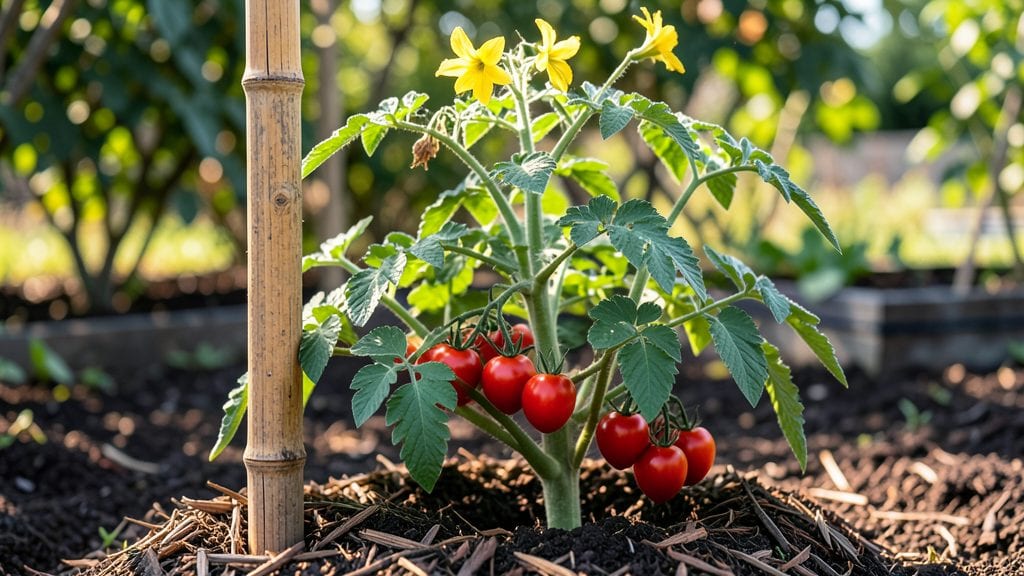
The Garden Gem tomato turns tiny spaces into productive little powerhouses. 🌱 I planted mine in a 5-gallon container last spring, and by July, I had enough tomatoes for sandwiches every day—no sprawling vines or backyard needed.
Determinate varieties like this one are perfect for balconies, patios, or even sunny windowsills, producing all their fruit at once for a concentrated harvest.
You’ll need a 5-10 gallon container (bigger is better for heavier fruit), well-draining potting mix, and a spot that gets 6-8 hours of sunlight daily. Unlike indeterminate tomatoes, Garden Gems stay compact, so they don’t need staking—just a sturdy pot and consistent care.
The real secret? Watering deeply 2-3 times a week (more in heatwaves) and pinching off early flowers if your plants look stressed. They’ll reward you with bright red, cherry-sized tomatoes that burst with flavor.
By mid-summer, you’ll be harvesting pints of tomatoes in a single pull, perfect for snacking or salads. The plants handle heat and humidity better than many varieties, and they’re less prone to cracking than larger tomatoes.
Just watch for hornworms—they love these little guys—and remove them by hand. With the right setup, you’ll go from seedling to harvest in just 60 days, making it one of the fastest rewards in the garden.
Works equally well in containers, raised beds, or even hanging baskets—just adjust the pot size. Whether you’re a city dweller with a fire escape or a gardener with limited ground space, this variety proves you don’t need acres to grow a bounty. Let’s get those plants thriving!
📚 In This Guide
- What you need
- Instructions
- Tips and common mistakes
- Wrapping up and next steps
What you need
- ● Seeds or Seedlings: Garden Gem tomato seeds (determinate variety, disease-resistant if possible) – 1-2 seeds per container or 1 seedling per plant
- ● Containers or Garden Space: Containers: 5-gallon pots or larger (minimum 12" deep x 12" wide) – 1 per plant
- ● Garden Beds: Well-draining soil with full sun (6+ hours/day) – space plants 18-24" apart
- ● Potting Mix: High-quality seed-starting mix (for seedlings) or well-draining potting soil (for containers/beds)
- ● Fertilizer: Balanced organic fertilizer (e.g., 5-5-5 or compost) – mix 1 tbsp per gallon of soil
- ○ Tomato-specific fertilizer (optional, for extra nutrients)
- ● Support Structures: Small cages (4-5 ft tall) or stakes (3-4 ft) – 1 per plant
- ● Mulch: Straw or shredded leaves to retain moisture and suppress weeds.
- ● Drip Irrigation or Watering Can: For consistent moisture (avoid overhead watering!).
- ● Pruning Shears: To trim suckers and encourage bushier growth.
- ● Row Covers or Shade Cloth: For early-season frost protection or heat relief.
Step-by-Step instructions for growing Garden Gem tomatoes
This compact, high-yielding variety thrives in small spaces when you follow these precise techniques.
🌱 Step 1: Prepare Containers and Soil Mix
Garden Gem tomatoes perform best in 5-gallon containers with 12-18 inches of depth—their roots need room to establish without competition. I use the 10-gallon fabric grow bags from the materials list because they allow excess water to drain while preventing root circling. Fill each bag 2/3 full with a blend of 50% potting mix and 50% compost—this gives them the organic matter they crave without compacting.
Press the mix down gently with your hands until it's firm but still crumbly—you should see slight resistance when you push, but it shouldn't feel like packing dirt. The reason for this is that Garden Gems develop shallow but extensive root systems that need good air circulation. Add a handful of slow-release fertilizer to the bottom before planting; these tomatoes are heavy feeders but hate sudden nutrient spikes.
☀️ Step 2: Plant and Position for Maximum Sun
Set your seedlings 1-2 inches deeper than their nursery pots—this encourages stronger stem development. Gently tease the roots outward if they're circling, then backfill with the remaining soil mix. You'll know you've planted correctly when the soil level is 1 inch below the bag's rim, leaving space for watering.
Position your containers in a spot with 6-8 hours of direct sunlight daily. Garden Gems are determinate, meaning they produce all their fruit in one flush, so light exposure directly impacts yield. If your space only gets morning sun, supplement with a grow light placed 6 inches above the plants for 14 hours daily. You'll see the difference in just a week—plants under adequate light develop thick, dark green leaves and sturdy stems.
💧 Step 3: Water Deeply and Maintain Consistent Moisture
Water immediately after planting, then wait until the top 2 inches of soil feel dry before watering again. Garden Gems are drought-sensitive; inconsistent moisture leads to blossom-end rot or cracked fruit. I use the drip irrigation system to deliver water at the base, keeping leaves dry and preventing fungal diseases. Water in the morning so foliage has all day to dry.
Here's the thing—these tomatoes need 1-1.5 gallons of water per container weekly, but never let them sit in soggy soil. The fabric grow bags help with this by allowing excess water to drain while retaining moisture. You'll know your watering is right when the soil feels like a wrung-out sponge—damp but not dripping, with no puddles at the bottom of the container.
✂️ Step 4: Prune and Support for Compact Growth
Garden Gems don't need heavy pruning like indeterminate varieties, but you should remove suckers (the small shoots that form in the leaf axils) when they're 2-3 inches long. These compete with the main stem for energy. Use clean pruners to make cuts at a 45-degree angle just above a leaf node—this encourages faster healing and prevents disease entry.
Install the cage supports immediately after planting. Garden Gems grow 3-4 feet tall but produce heavy clusters of fruit that can snap stems. Tie the main stem to the cage with soft plant ties every 6-8 inches as it grows. You'll see the difference in fruit quality—supported plants develop fewer split tomatoes and maintain better air circulation, reducing disease risk.
🌿 Step 5: Feed and Monitor for Harvest Readiness
Four weeks after planting, apply the balanced liquid fertilizer according to package instructions. Garden Gems respond well to regular feeding but don't overdo it—too much nitrogen leads to leafy growth at the expense of fruit. I fertilize every 2 weeks during the growing season, always watering thoroughly before and after application to prevent root burn.
Harvest begins when tomatoes turn a deep red color and yield slightly to gentle pressure. You'll know they're ready when the stem separates cleanly from the vine. Pick regularly—overripe tomatoes on the vine attract pests and reduce plant productivity. Garden Gems produce fruit in clusters, so you'll often have multiple ready at once. Store harvested tomatoes at 55-60°F for up to 2 weeks to maintain quality.
Tips & tricks for perfect Garden Gem tomato cultivation
These tried-and-true strategies will help you maximize your Garden Gem tomato yield while avoiding common pitfalls that can ruin your harvest.
Soil Texture Matters: The 50% potting mix to 50% compost ratio creates the perfect balance for Garden Gems—too much compost can lead to overly dense soil that suffocates roots, while too much potting mix lacks the organic matter these heavy feeders need. I like to add a handful of perlite to the mix before planting to improve drainage without compromising moisture retention. This prevents the dreaded blossom-end rot that plagues so many container-grown tomatoes.
Lighting Strategy: Those critical 6-8 hours of sunlight are non-negotiable for Garden Gems, but here's what I've learned about supplementing: If you're using a grow light for the 14-hour daily boost, position it so it's just 6 inches above the plants at their mature height. Too close and you'll burn the leaves; too far and it won't provide enough intensity. I've found that LED grow lights with a full spectrum (especially red and blue wavelengths) give the best results for compact varieties like these.
Pruning Precision: When removing those 2-3 inch suckers in Step 4, I've discovered a little trick that makes all the difference: use your fingernail to gently scrape the base of the sucker before pulling. This prevents tearing the main stem and creates a cleaner wound that heals faster. Also, make sure your pruners are clean and sharp—dull tools crush stems instead of making clean cuts, inviting disease.
Fertilizer Timing: The 2-week feeding schedule is perfect, but here's the secret: always water thoroughly before applying that balanced liquid fertilizer. This prevents root burn from the concentrated nutrients. I've also noticed that Garden Gems respond particularly well to a foliar spray of diluted fish emulsion every 4 weeks—just mix 1 tablespoon per gallon of water and spray on the leaves in the early morning. This gives them an extra nutrient boost without overloading the roots.
Pro Tips for Garden Gem Tomato
- These tried-and-true strategies will help you maximize your Garden Gem tomato yield while avoiding common pitfalls that can ruin your harvest.
- I like to add a handful of perlite to the mix before planting to improve drainage without compromising moisture retention.
- Too close and you'll burn the leaves; too far and it won't provide enough intensity.
Frequently asked questions
Got questions about growing Garden Gem tomatoes?
You're not alone! Here are answers to the most common queries to help you cultivate a thriving harvest in even the smallest spaces.
When is the best time to plant Garden Gem tomato seeds?
Start seeds indoors 6-8 weeks before your last frost date for a head start. Transplant seedlings outdoors after soil temps reach 55°F+ and nighttime temps stay above 50°F. Garden Gems thrive in warm conditions, so avoid planting too early—cold soil can stunt growth. Use a heat mat if needed!
How long does it take for Garden Gem tomatoes to produce fruit?
Expect your first ripe tomatoes 50-60 days after transplanting (or ~70-80 days from seed). These determinate plants offer a short, concentrated harvest window, so plan to enjoy (or preserve!) your bounty quickly. For continuous yields, stagger plantings every 2 weeks.
What should I do if my Garden Gem plants develop blossom end rot?
Blossom end rot (black, sunken spots on fruit) is common due to calcium or water fluctuations. Fix it by:
- Watering deeply and consistently (1-1.5 inches/week).
- Adding crushed eggshells or calcium supplement to soil.
- Avoiding fertilizer high in nitrogen (focus on potassium/phosphorus).
Prevent future issues with mulch to retain moisture!
Can I grow Garden Gem tomatoes in containers or small spaces?
Absolutely! Garden Gems are perfect for containers—use a 5-gallon pot or larger with drainage. Place pots in full sun (6+ hours/day) and train vines with a cage or trellis to save space. For balconies, opt for self-watering containers to maintain consistency.
Are Garden Gem tomatoes good for sauces or slicing?
These medium-sized, meaty tomatoes (1.5–2 oz each) are versatile but best for slicing or salads. While they’re edible for sauces, their lower acidity and fewer seeds make them less ideal than paste varieties. For sauces, pair them with higher-yielding types like San Marzano or Roma.
How do I keep pests off my Garden Gem plants?
Prevent pests with these tips:
- Use row covers early in the season to block flies/beetles.
- Spray neem oil or soapy water on leaves for aphids/spider mites.
- Encourage beneficial insects (ladybugs, lacewings) with companion plants like basil or marigolds.
- Remove damaged fruit promptly to deter fruit flies.
Harvest regularly to reduce stress and attract pests!
Wrapping up and next steps
Growing Garden Gem tomatoes is a rewarding journey—especially for those with limited space! These compact, determinate plants deliver bountiful harvests with minimal fuss, making them perfect for balconies, containers, or small gardens.
Whether you’re a beginner or a seasoned gardener, their resilience and productivity prove that big flavors don’t need big plots.
Now that you’re armed with the right tips and tricks, it’s time to roll up your sleeves and get planting! Start small, experiment with containers, and enjoy the sweet satisfaction of homegrown tomatoes. Happy growing—and may your harvests be plentiful! 🌱🍅