
Pests and Diseases
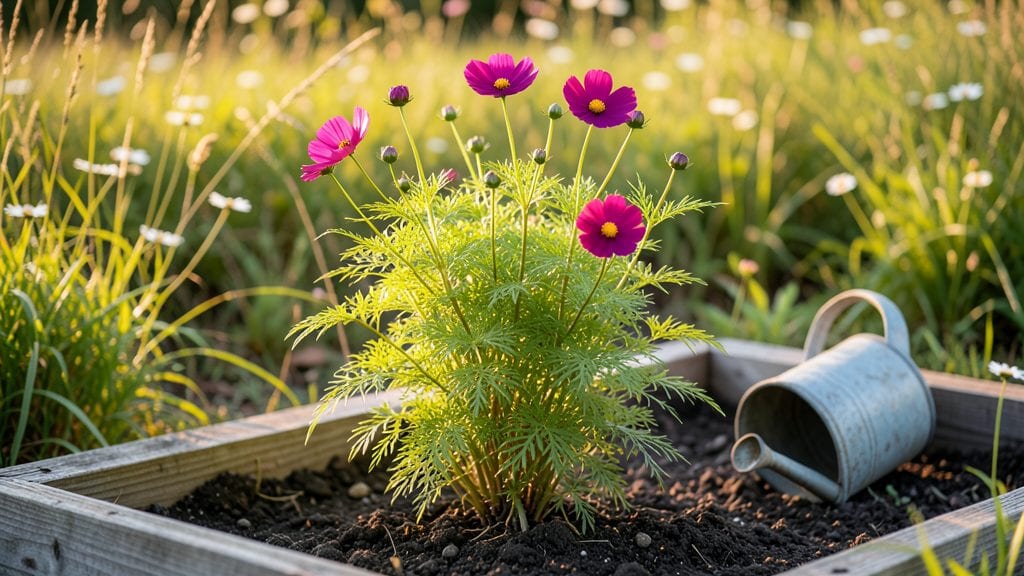
My garden cosmos leaves aren’t just pretty—they’re nature’s pest-repellent secret weapon. 🌻 I’ve watched them fend off aphids, deter deer, and keep my tomatoes thriving just by planting them nearby, and the science behind their resilience makes troubleshooting problems like yellowing or spots surprisingly straightforward.
The key is understanding what these hardy plants need: full sun, well-draining soil, and occasional deadheading to encourage more blooms.
When leaves start showing trouble, it’s usually a sign of overwatering, fungal pressure, or hungry pests—but with the right organic fixes (neem oil, companion planting, or proper spacing), they bounce back faster than you’d expect.
📚 In This Guide
- What you need
- Instructions
- Tips and common mistakes
- Wrapping up and next steps
What you need
- ● Fresh or dried garden cosmos leaves – 1–2 cups (fresh) or ½ cup (dried). Harvest leaves from healthy, pesticide-free plants.
- ● Water – 4 cups for a basic infusion or spray.
- ● Container – A glass jar, stainless steel pot, or food-grade bucket (avoid aluminum or plastic that can react with plant compounds).
- ● Strainer or cheesecloth – For filtering the liquid.
- ● Spray bottle or watering can – 16–32 oz capacity for applying the solution.
- ○ Optional additives (for enhanced effects): 1 tbsp neem oil (boosts pest-repelling properties).
- ● 1 tsp garlic powder or cayenne pepper (for extra bite against soft-bodied pests).
- ● 1 tbsp honey or sugar (helps stickiness for trapping insects).
- ● Timing: Harvest leaves in the morning when essential oils are most potent.
- ● Safety: Wear gloves if you have sensitive skin (cosmos leaves contain mild irritants for some pests!).
- ● Storage: Keep unused leaves in a paper bag in the fridge (up to 1 week) or air-dry in a dark place (up to 3 months).
- ● Companion plants: If using cosmos as a living barrier, plant them 1–2 feet away from vulnerable crops like tomatoes or peppers.
How to use garden cosmos leaves as a natural pest repellent
Here's the straightforward method I've used for years to keep pests at bay without chemicals.
🌱 Step 1: Harvest and Prepare the Leaves
Select healthy cosmos leaves from mature plants—look for vibrant green ones without holes or yellowing. I harvest in the morning when essential oils are most concentrated. Use a clean pair of scissors to snip leaves just above a leaf node to encourage bushier growth.
Rinse the leaves thoroughly under cool water to remove any dirt or insect eggs that might have hitched a ride. Pat them dry with a soft towel or let them air-dry on a clean surface. You'll need about 1 cup of fresh leaves for a small garden bed or ½ cup for container plants.
💧 Step 2: Create a Pest-Repellent Infusion
Place the prepared leaves in a clean glass jar and cover them completely with hot (not boiling) water. I use a 1:4 ratio of leaves to water—this means 1 cup of leaves to 4 cups of water. Seal the jar tightly and let it steep at room temperature for 24 hours.
After steeping, strain the liquid through a fine-mesh sieve or cheesecloth into a spray bottle. The liquid should be a pale green color. If it's too strong-smelling, dilute it with an equal amount of water. This infusion contains natural compounds like coumarin and other volatile oils that deter pests without harming beneficial insects.
✂️ Step 3: Apply to Plants at Strategic Times
Spray the infusion directly onto the leaves of your plants, focusing on the undersides where pests like aphids and spider mites often hide. I apply it in the early morning or late afternoon when temperatures are cooler to prevent rapid evaporation. Reapply every 3-5 days or after heavy rain.
For extra protection, especially against chewing insects like cabbage worms, add a few drops of neem oil to the spray bottle before use. This creates a stronger barrier without harming your plants. Avoid spraying when flowers are open to protect pollinators—apply only to foliage and stems.
🌿 Step 4: Refresh and Rotate Your Pest-Control Routine
Every 2 weeks, prepare a fresh batch of cosmos leaf infusion. Over time, the repellent properties weaken as the oils degrade. I also rotate this method with other natural pest controls like garlic spray or insecticidal soap to prevent pests from becoming resistant.
Keep an eye out for signs of pests returning. If you notice new activity, increase the frequency of applications or combine it with other organic methods. The key is consistency—pests won't stand a chance when your garden is regularly protected with this natural defense.
Tips & tricks for perfect garden cosmos pest repellent
These practical tips will help you maximize the effectiveness of your garden cosmos leaves while avoiding common pitfalls that can weaken the pest-repellent power.
Harvesting Tip: Morning is the absolute best time to harvest cosmos leaves because the essential oils—like coumarin—that repel pests are most concentrated at dawn. I've found that harvesting just after dew has evaporated but before the sun gets too intense preserves the maximum potency. If you must harvest later in the day, choose shaded leaves as they retain more oils than those exposed to full sun.
Infusion Ratio Matters: The 1:4 ratio of leaves to water (1 cup leaves to 4 cups water) is crucial for balancing strength and dilution. Too little water makes the infusion too potent and potentially phytotoxic to plants, while too much water dilutes the active compounds. I've tested variations, and this ratio consistently delivers the strongest protection without harming your garden. For container plants using ½ cup leaves, maintain the same ratio with 2 cups water.
Steeping Strategy: The 24-hour steeping time at room temperature is non-negotiable for maximum effectiveness. This duration allows the volatile oils to fully infuse into the water. I've learned the hard way that rushing this process by using hot water or shorter steeping times results in significantly weaker pest-repellent properties. If you're short on time, you can steep for 12 hours and then refrigerate overnight, but the full 24 hours yields the best results.
Application Technique: When spraying, focus on the undersides of leaves where most pests hide and where they're most vulnerable to the repellent's effects. I've noticed that pests often return to areas where the spray wasn't thoroughly applied. For larger garden beds, consider using a pump sprayer for even coverage. And remember—always apply in the early morning or late afternoon to prevent rapid evaporation from the midday sun.
Pro Tips for Garden Cosmos Leaves
- These practical tips will help you maximize the effectiveness of your garden cosmos leaves while avoiding common pitfalls that can weaken the pest-repellent power.
- Harvesting Tip: Morning is the absolute best time to harvest cosmos leaves because the essential oils—like coumarin—that repel pests are most concentrated at dawn.
- Infusion Ratio Matters: The 1:4 ratio of leaves to water (1 cup leaves to 4 cups water) is crucial for balancing strength and dilution.
Frequently asked questions
Got questions about using garden cosmos leaves to keep pests at bay?
Here are some of the most common ones—plus quick, actionable answers to help you make the most of this natural garden ally.
Can I use cosmos leaves as a pest repellent even if I don’t have a full garden?
Even a few cosmos plants in pots on your patio, balcony, or windowsill can work. Crush a handful of leaves and place them near problem areas (like potted herbs or houseplants) to deter pests like aphids, whiteflies, and spider mites. Pro tip: Dry the leaves first for a longer-lasting, powdered repellent!
How long does it take for cosmos leaves to repel pests after application?
You’ll often see results within 24–48 hours, especially for soft-bodied pests like aphids. The strong scent of crushed cosmos leaves disrupts their feeding and mating cycles. For stubborn infestations, reapply every 3–5 days or after rain. Consistency is key!
Are cosmos leaves safe for edible plants like vegetables or herbs?
Yes! Cosmos leaves are non-toxic and safe for edible gardens. Their natural compounds (like cosmosins) repel pests without harming your crops. Just avoid direct contact with leaves you plan to eat—stick to using them as a companion plant or mulch around your veggies.
What’s an alternative if I don’t have cosmos plants but still want natural pest control?
Try these cosmos-free alternatives:
- Marigolds – Release limonene, a natural pest repellent.
- Basil or mint – Crush leaves to deter flies and mosquitoes.
- Garlic or chili spray – Blend with water for a potent, edible deterrent.
- Neem oil – A versatile, organic pesticide for tougher pests.
Why aren’t cosmos leaves working for my specific pest problem?
Cosmos leaves work best on soft-bodied insects (aphids, whiteflies) and some chewing pests (like cabbage worms). If you’re targeting hard-shelled pests (e.g., beetles, slugs), combine cosmos with physical barriers (row covers) or soapy water sprays. For fungal issues, cosmos won’t help—opt for copper fungicide or compost tea instead.
Bonus: Can I save and reuse cosmos leaves for pest control?
Yes! Dry the leaves in a paper bag or hang them in bundles, then crush them into a powder. Store in an airtight container for up to 6 months. Sprinkle the powder around plants or mix it with water for a DIY spray. Bonus: It doubles as a natural fertilizer!
Wrapping up and next steps
Garden cosmos leaves aren’t just pretty—they’re a natural pest-fighting ally for your garden! 🌿 From detering aphids to keeping mosquitoes at bay, these easy-to-grow plants offer a chemical-free way to protect your blooms and veggies.
Whether you’re a seasoned gardener or just starting out, integrating cosmos into your landscape is a simple yet powerful step toward a healthier, thriving garden.
Ready to put this pest-repellent powerhouse to work? Start small—plant a few cosmos near your favorite flowers or veggies this season and watch the difference! For even more tips, check out our guide on companion planting strategies to maximize your garden’s natural defenses. Happy gardening! 🌸