
Pests
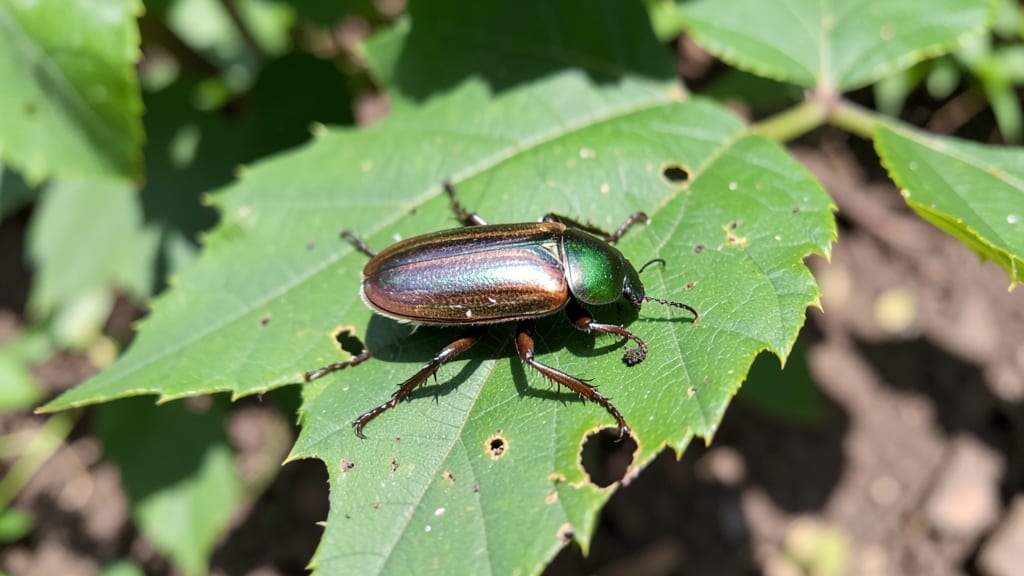
The identification of garden beetles is your first line of defense against the silent destruction they wreak on your plants—some are harmless, others are plant-killing machines in disguise. 🌿 I’ve spent years watching these tiny invaders chew through leaves, stems, and even roots.
The key is knowing their size, color, and behavior before they strike.
Most destructive beetles like Japanese beetles or Colorado potato beetles have shiny, metallic bodies and voracious appetites. Beneficial ones, like ladybugs or ground beetles, are usually polka-dotted or striped and hunt pests instead. A magnifying glass and a quick reference chart make spotting the difference effortless—no entomology degree required.
Once you recognize the troublemakers, you’ll act fast: handpick them, use row covers, or introduce natural predators. The goal isn’t just to identify them—it’s to stop them before your tomatoes turn to lace or your roses look like Swiss cheese.
This works for any garden, from sprawling backyards to container setups. Grab a flashlight for evening inspections, and you’ll catch them red-handed—literally. Ready to become the beetle detective your garden needs?
📚 In This Guide
- What you need
- Instructions
- Tips and common mistakes
- Wrapping up and next steps
What you need
- ● Hand Lens or Magnifying Glass – A 10x magnification lens is ideal for examining fine details like beetle markings and body structure.
- ● Field Guide or Identification App – A printed guide (e.g., National Audubon Society Field Guide to North American Insects) or a reliable app like iNaturalist or BugGuide for digital reference.
- ● Notebook and Pen – To jot down observations like beetle size, color, habitat, and any distinguishing features.
- ● Clear Plastic Container with Lid – A small, ventilated container (e.g., a 16 oz Tupperware) to temporarily hold beetles for closer inspection.
- ● Ruler or Measuring Tape – For recording beetle size (most garden beetles range from 1/16 to 1 inch long).
- ● Flashlight or Headlamp – A LED light with adjustable brightness helps spot beetles in low-light conditions (e.g., under leaves or bark).
- ○ Gloves (Optional but Recommended) – Lightweight, breathable gloves (e.g., nitrile or cotton) to protect your hands from bites or irritants.
- ● Camera with Macro Mode – Capture high-resolution photos for later reference or expert verification.
- ● Aspirator (Pooter) – A handheld suction tool to gently collect beetles without harming them (great for delicate species).
- ● UV Light Trap – Attracts nocturnal beetles for easier identification after dark.
- ● Reference Specimens (Ethically Sourced) – If you’re serious about identification, compare your findings to preserved specimens from a local museum or university.
- ● Weatherproof Bag – A small, water-resistant bag to carry tools and notes during outdoor excursions.
How to identify common garden beetles with precision
Even the smallest beetle can wreak havoc—here's how to spot them before they destroy your plants.
🪴 Step 1: Examine Body Shape and Size for Quick Identification
Start by noting the beetle's overall shape and size. Most garden pests fall into three categories: round, oval, or elongated. Round beetles like Japanese beetles measure about ½ inch long with a shiny, metallic green or copper sheen. Oval beetles such as the Colorado potato beetle are ⅓ to ½ inch and often have striped patterns. Elongated beetles like the wireworm (a beetle larva) are 1-2 inches and slender.
Hold a magnifying glass close to the beetle—you'll notice key details like antenna length or leg positioning. Long antennae with clubbed ends usually indicate a leaf-eating species, while short, straight antennae often mean root damage is coming. Pay attention to how the beetle moves: slow, clumsy crawlers are typically larvae or adults with heavy armor.
🌿 Step 2: Check for Distinctive Markings and Colors
Color and markings are your best clues. Japanese beetles have metallic green heads and copper wings, while flea beetles are tiny (⅛ inch) with black and bronze stripes. The Colorado potato beetle sports yellow and black stripes on its back, making it easy to spot on potato or eggplant leaves. Look for powdery residue on leaves—this often means beetles are feeding nearby and leaving behind frass (insect droppings).
If the beetle has soft, fuzzy body segments, it’s likely a weevil, which burrows into roots or stems. Shiny, hard exoskeletons usually mean a beetle that chews leaves or flowers. I always check the underside of leaves first—beetles often hide there during the day, revealing themselves only at dawn or dusk.
✂️ Step 3: Observe Feeding Patterns and Plant Damage
Beetles leave behind unmistakable signs. Japanese beetles skeletonize leaves, leaving only the veins intact. Flea beetles create tiny holes (⅛ inch or smaller) across leaf surfaces, while Colorado potato beetles chew irregular, jagged edges. Wireworms create underground tunnels in stems, often causing plants to wilt suddenly. If you see small, irregular holes in stems or roots, dig carefully—you might find the culprit.
Check the soil surface for tiny, black, oval-shaped beetles (like the black vine weevil) or shiny, brown grubs (root weevil larvae). I like to place a white tray under infested plants at night—many beetles are nocturnal and will crawl onto the tray, making them easier to identify and collect.
💧 Step 4: Use a Field Guide or App for Confirmation
Once you’ve narrowed it down by size, shape, and damage, cross-reference with a field guide or identification app. I rely on the BugGuide app to compare your observations with high-resolution images. Snap a photo of the beetle in natural light, then zoom in on key features like antenna structure, leg joints, or wing patterns. Most apps let you filter by region, so you won’t waste time on beetles that don’t live in your area.
If you’re still unsure, collect the beetle in a small, ventilated container> (like a jar with holes poked in the lid) and observe its behavior for a few hours. Does it fly? Crawl rapidly? Hide when disturbed? These habits can confirm the species. I’ve caught beetles that looked identical but behaved differently—one was harmless, the other a voracious leaf-eater.
☀️ Step 5: Note Seasonal Activity for Timely Control
Knowing when beetles are active helps you act fast. Japanese beetles peak in late June and July, while Colorado potato beetles appear in May and June. Flea beetles are most active in early spring and fall. I mark my calendar with these windows to apply neem oil or insecticidal soap before damage starts. If you see beetles in winter or early spring, they’re likely overwintering adults or larvae—treat the soil now to prevent next year’s infestation.
Watch for adult beetles laying eggs near plant bases (like Japanese beetles in grassy areas). If you spot clusters of tiny, oval eggs on stems or leaves, remove them immediately—they’ll hatch into destructive larvae within 10-14 days. I use a damp paper towel to gently scrape eggs off plants and dispose of them in soapy water.
Tips & tricks for garden beetle identification
Mastering beetle identification starts with these precision techniques that separate common pests from harmless lookalikes.
The Lighting Factor: Always examine beetles under natural daylight or a bright LED lamp—artificial lighting can distort colors and markings. I've caught beetles that looked harmless under dim light but turned out to be destructive pests when viewed properly. Place your specimen on a white surface or paper towel to enhance contrast and reveal subtle patterns. A handheld magnifying glass (10x magnification) is your best tool for spotting those ⅛-inch flea beetle stripes or the clubbed antennae that distinguish leaf-eaters from root-damagers.
Behavioral Clues: Watch how the beetle moves before you look at it. Japanese beetles fly in erratic patterns when disturbed, while Colorado potato beetles often drop to the ground and play dead. Wireworms (larvae) move in straight lines underground, while weevils have a distinctive "rolling" gait. I once spent hours trying to identify a beetle until I noticed it was actually a harmless ground beetle—its rapid, straight-line movement gave it away. Observe for 30 seconds> before handling to gather these behavioral cues.
Seasonal Timing: The 10-14 day egg-to-larva cycle mentioned in Step 5 is your window for early intervention. Mark your calendar for late June-July (Japanese beetles) and May-June (Colorado potato beetles) to monitor for egg clusters. I keep a small notebook near my garden to record sightings—this helps track patterns year over year. For example, if you spot adult Japanese beetles in early June, expect larvae (grubs) in the soil by mid-July, which is when they do the most damage.
Equipment Upgrade: Invest in a portable USB microscope> (around $30) for close-up inspections—it connects to your phone and captures high-resolution images. I've identified beetles as small as ⅛ inch> using this tool that reveals details invisible to the naked eye. For field use, a white tray with grid markings> helps measure beetle sizes accurately against the ½ inch> or ⅓ inch> benchmarks from Step 1.
Pro Tips for Garden Beetles Identification
- Mastering beetle identification starts with these precision techniques that separate common pests from harmless lookalikes.
- The Lighting Factor: Always examine beetles under natural daylight or a bright LED lamp—artificial lighting can distort colors and markings.
- Behavioral Clues: Watch how the beetle moves before you look at it.
Frequently asked questions
Got questions about those tiny garden beetles? You’re not alone! Here are some of the most common concerns—and straightforward answers to help you tackle them like a pro.
What do garden beetles look like, and how can I tell them apart?
Garden beetles vary widely, but common types include Japanese beetles (metallic green/gold with white tufts), June bugs (brownish, clumsy fliers), and ground beetles (shiny, elongated, often black/brown). Check their size, color, and body shape—and whether they leave chewed leaves or tunnels in soil. A magnifying glass or phone app (like iNaturalist) can help!
When are garden beetles most active, and how do I time my defense?
Most beetles peak in late spring to early summer (May–July), especially during warm, sunny days. Japanese beetles are active midday, while June bugs fly at dusk. Act fast: Handpick adults or apply organic sprays (neem oil) when you spot them. Prevention—like removing grubs in early spring—saves time later!
Are garden beetles harmful to my plants, or can they be beneficial?
It depends! Japanese beetles and colorado potato beetles are destructive, devouring leaves and flowers. But ground beetles and lady beetles (ladybugs) eat pests like aphids. Identify first: If your plants look skeletonized, act quickly. If you see tiny holes but no damage, you might have helpful beetles!
What’s the best way to get rid of garden beetles without chemicals?
Try these eco-friendly tricks:
- Handpick beetles into soapy water (especially early morning when they’re sluggish).
- Use row covers to block adults from laying eggs.
- Apply kaolin clay or neem oil to deter feeding.
- Encourage natural predators like birds, toads, or parasitic wasps.
- Tilling soil in early spring disrupts beetle grubs.
For severe infestations, milky spore (for grubs) or beneficial nematodes can help long-term.
My plants are already damaged—how do I fix it?
Don’t panic! Prune damaged leaves to encourage new growth, and focus on plant health:
- Water deeply but less frequently to reduce stress.
- Fertilize with balanced organic fertilizer (like compost tea).
- For holes in leaves, replace lost foliage with shade-tolerant plants if needed.
- Monitor for secondary pests (like mites) that thrive on weakened plants.
Prevention next season is key—rotate crops and remove debris where beetles hide!
Wrapping up and next steps
Identifying garden beetles doesn’t have to be a daunting task—now that you’ve learned to spot key features like antennae, wing covers, and habitat preferences, you’re well on your way to becoming a beetle detective! 🕵️♂️ Whether they’re harmless pollinators or potential pests, understanding them helps you protect your garden with confidence.
Ready to take action? Start by monitoring your garden regularly and keeping a simple field guide or app handy for quick ID checks. If you spot unwelcome beetles, try natural remedies or reach out to local pest control experts for tailored solutions. Happy gardening—and happy beetle-watching! 🌱🐞