
Light Requirements
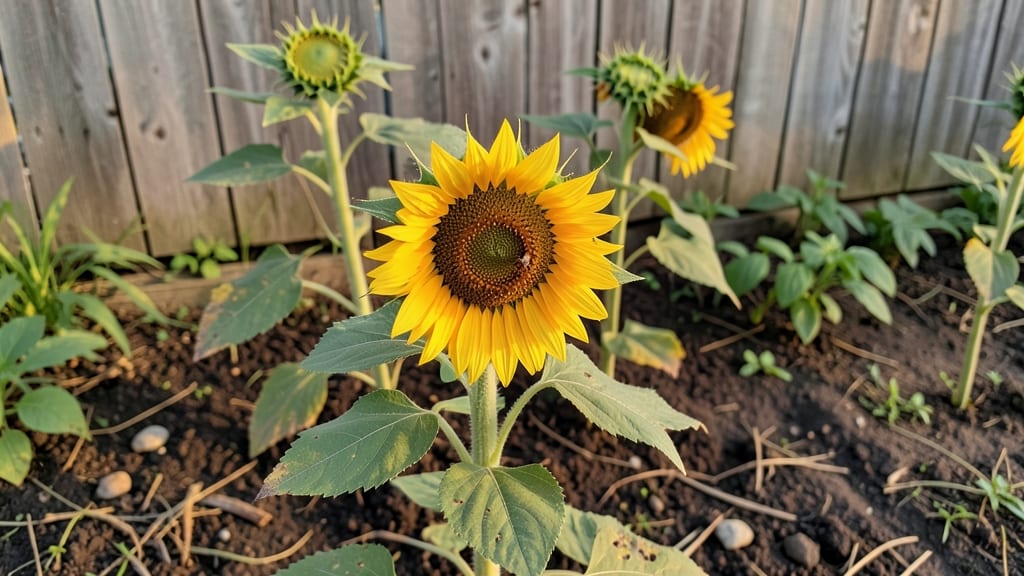
A full sun flower garden doesn’t just survive—it explodes with color and life, turning your yard into a vibrant, buzzing paradise. 🌻 I’ve designed mine to catch sunlight from dawn till dusk, and the difference is stunning: petals stay crisp, blooms last longer, and pollinators flock in like they’ve never seen a buffet before.
The key isn’t just throwing in sun-loving plants—it’s arranging them so no flower gets crowded out or left in shade from its neighbors.
Start with a mix of tall drama (like sunflowers or coneflowers) in the back, midsize stars (black-eyed Susans or daylilies) in the middle, and low-spreading ground covers (like lantana or sedum) up front.
This keeps sunlight reaching every plant, and the colors pop against each other—think deep purples next to fiery oranges, or crisp whites breaking up bold reds. Most of these plants thrive on neglect once established, so you’ll spend less time fussing and more time admiring.
By midsummer, your garden will be a nonstop show, with blooms appearing in waves—early spring with peonies, summer with zinnias, and late-season flair from asters. The best part? These flowers attract bees, butterflies, and hummingbirds, turning your yard into a thriving ecosystem.
You’ll see the difference in just a few weeks, and the maintenance stays simple: deadhead spent blooms, water deeply but infrequently, and watch the magic happen.
Works in any sunny spot—city balconies, rural fields, or that hot corner of your yard that’s been begging for color. The layout I’ll share next adapts to containers or in-ground beds, so you can start small or go all out. Let’s make that sun a superpower for your garden!
📚 In This Guide
- What you need
- Instructions
- Tips and common mistakes
- Wrapping up and next steps
What you need
- ● Flower seeds or seedlings: Choose full sun-loving varieties like sunflowers, black-eyed Susans, coneflowers, or daylilies. Aim for 10-20 plants per 100 sq. ft. (adjust based on desired density).
- ● Well-draining potting mix or garden soil: 5+ cubic yards (for a 10’x10’ bed) enriched with 2-3 inches of compost or aged manure.
- ● Organic mulch: 2-3 bags (straw, shredded bark, or pine needles) to retain moisture and suppress weeds.
- ● Watering can or hose with a gentle spray nozzle: 5+ gallons capacity for consistent hydration.
- ● Garden gloves & knee pads: Protect your hands and joints during planting!
- ● Pruners or shears: Bypass pruners (for clean cuts) to trim dead blooms or shape plants.
- ● Slow-release fertilizer: 10-15 lb. (e.g., 10-10-10 or bloom-specific formula) for nutrient boosts.
- ● Stakes or trellises: For tall varieties like sunflowers (3-5 stakes per plant if needed).
- ● Drip irrigation system: Automates watering and saves time (ideal for large gardens).
- ● Soil pH test kit: Ensures optimal 6.0-7.0 pH range (most flowers thrive here).
- ● Bird-friendly decorations: Wind chimes or feeders to attract pollinators!
Step-by-step instructions for designing a stunning full sun flower garden
Here's how to create a vibrant, low-maintenance display that blooms from early summer through fall.
🌱 Step 1: Select and Prepare the Planting Site
Choose a location that receives at least 6 hours of direct sunlight daily—flowers thrive when they get plenty of warmth. I always test the site for a full week first by marking the sunniest spot with a stake. This ensures you're not planting in a spot where shade from trees or buildings will creep in later.
Clear the area of weeds and grass, then loosen the soil to a depth of 12 inches using a garden fork. Flowers need room to spread their roots, and compacted soil restricts growth. Mix in 2-3 inches of compost to improve drainage and provide nutrients without overwhelming the plants.
☀️ Step 2: Choose a Diverse Flower Mix for Season-Long Color
For a garden that blooms continuously, I combine annuals, perennials, and self-seeding varieties. Start with 50% annuals like zinnias and marigolds for instant color, then add 30% perennials like black-eyed Susans and daylilies for long-term growth, and 20% self-seeders like cosmos and snapdragons to fill gaps naturally.
Space taller varieties like sunflowers and hollyhocks at the back of the bed, medium-height flowers like zinnias and dahlias in the middle, and low-growing annuals like alyssum and petunias at the front. This creates a layered look that draws the eye and maximizes sunlight exposure for all plants.
💧 Step 3: Plant at the Right Depth and Spacing
Dig holes twice as wide as the root ball but only as deep as the container the plant came in. This prevents burying the stem, which can cause rot. Gently remove the plant from its pot, loosen the roots if they're circling, and place it in the hole. Fill around the roots with soil and press lightly to eliminate air pockets.
Follow spacing guidelines on the plant tags—crowding leads to competition for water and nutrients. For example, zinnias need 12-18 inches apart, while cosmos can handle 8-12 inches. Water deeply after planting to settle the soil and encourage root growth. Mulch with 2-3 inches of shredded bark to retain moisture and suppress weeds.
✂️ Step 4: Maintain Through the Growing Season
Water deeply 1-2 times per week during dry spells, focusing on the base of the plant rather than overhead. Flowers trained for full sun develop deep root systems that drought-tolerant once established, but young plants need consistent moisture. You'll know they're getting enough when the soil feels dry 1-2 inches below the surface.
Deadhead spent blooms regularly to encourage more flowers and prevent self-seeding where you don't want it. For perennials, cut back foliage in late fall or early spring to 3-4 inches above the ground. This promotes new growth and keeps the garden looking tidy without sacrificing next year's blooms.
🌿 Step 5: Extend the Season with Strategic Planting
For a garden that stays vibrant all season, I stagger plantings every 2-3 weeks starting in early spring. This ensures there are always fresh blooms as older flowers fade. Choose varieties with different bloom times—early bloomers like sweet alyssum give way to mid-season favorites like zinnias, which then transition to late-season stars like chrysanthemums.
Add a few fall-blooming perennials like asters or goldenrod to bridge the gap between summer and winter. These hardy plants thrive in cooler temperatures and provide nectar for late-season pollinators. With this approach, your garden will stay colorful from May through October with minimal effort.
Tips & tricks for perfect full sun flower garden design
Creating a thriving full sun flower garden takes more than just planting flowers—it's about strategic planning that maximizes sunlight, soil health, and seasonal transitions.
The Sunlight Factor: While the instructions specify at least 6 hours of direct sunlight daily, I've found that 8 hours or more produces the most vibrant blooms, especially for sunflowers and dahlias. Pay special attention to morning sun—it's gentler and helps prevent leaf scorch in hot afternoons. If your garden gets afternoon shade, prioritize planting heat-tolerant varieties like zinnias and marigolds in those spots.
Soil Preparation Secret: The 12-inch deep soil loosening and 2-3 inches of compost recommendation is perfect, but here's what nobody tells you: mix in a handful of granular fertilizer (10-10-10 ratio) when you add compost. This gives your flowers a nutrient boost right when they need it most. For clay-heavy soils, consider adding 1 part perlite to 3 parts soil to improve drainage without sacrificing moisture retention.
Layering Like a Pro: When arranging your back-middle-front layers, think vertically too. Taller plants like sunflowers should have their strongest stems facing outward to prevent flopping. For medium-height flowers, create a slight stagger pattern—don't plant them in perfect rows. This creates natural movement in your garden and allows sunlight to reach all plants. I like to leave 6-12 inches of space between rows to accommodate growth without crowding.
Watering Wisdom: The 1-2 times per week watering guideline works, but timing matters just as much. Water in the early morning (before 9 AM) to prevent fungal diseases from evening moisture. For newly planted flowers, I recommend deep watering every other day for the first two weeks to establish strong root systems. You'll know you're doing it right when you can push your finger 2 inches into the soil and feel it's moist but not soggy.
Pro Tips for Full Sun Flower Garden
- Creating a thriving full sun flower garden takes more than just planting flowers—it's about strategic planning that maximizes sunlight, soil health, and seasonal transitions.
- The Sunlight Factor: While the instructions specify at least 6 hours of direct sunlight daily, I've found that 8 hours or more produces the most vibrant blooms, especially for sunflowers and dahlias.
- This gives your flowers a nutrient boost right when they need it most.
Frequently asked questions
Got questions about creating a full sun flower garden? You’re not alone! Here are some of the most common concerns—and their easy answers—to help you grow a vibrant, sun-loving display:
What are the best flowers for full sun gardens?
Sun-loving flowers like Black-Eyed Susans, Coneflowers, Daylilies, Marigolds, and Lantana thrive in 6+ hours of direct sunlight. For bold blooms, Sunflowers and Zinnias are top picks—they’re drought-tolerant and attract pollinators!
How do I prepare soil for full-sun flowers?
Full sun gardens need well-draining soil to prevent root rot. Mix in compost or aged manure to improve fertility, and avoid heavy clay. If your soil is sandy, add organic matter like peat moss. A soil test (DIY kits are cheap!) helps tailor amendments.
When is the best time to plant full-sun flowers?
Plant perennials in early spring (after the last frost) or fall. Annuals like Marigolds or Zinnias can go in after soil warms (60°F+). For cooler climates, start seeds indoors 6–8 weeks before the last frost for a head start!
How often should I water full-sun flowers?
Water deeply 1–2 times per week, depending on rain. Early morning is best to reduce evaporation. Let soil dry slightly between waterings—overwatering in full sun stresses roots. Mulch (2–3 inches) retains moisture and keeps roots cool.
What pests or diseases should I watch for in full-sun gardens?
Common issues include aphids, Japanese beetles, and powdery mildew (from poor airflow). Handpick pests or use neem oil. Space plants for airflow, and avoid overhead watering. Deadhead spent blooms to encourage new growth and deter pests.
Can I grow full-sun flowers in containers?
Choose large pots (12"+ diameter) with drainage holes for deep-rooted flowers like Sunflowers. Use lightweight potting mix with compost, and place containers in south-facing spots for max sun. Dwarf varieties (e.g., Begonia or Petunias) work well too!
Wrapping up and next steps
A full sun flower garden is your ticket to vibrant, low-maintenance beauty that dances with sunlight! 🌻 From sun-loving annuals like zinnias to hardy perennials like black-eyed Susans, these blooms reward your efforts with bold colors and effortless charm.
Whether you’re a seasoned gardener or just starting, this guide gives you the confidence to create a thriving, sunlit sanctuary.
Ready to dive in? Grab your gloves, sketch a quick layout, and let your garden bloom—literally! Start small with a single bed or go all out with a full-sun paradise. Every seed planted is a step toward a brighter, more colorful outdoor space. Happy gardening! 🌱