
Fertilization
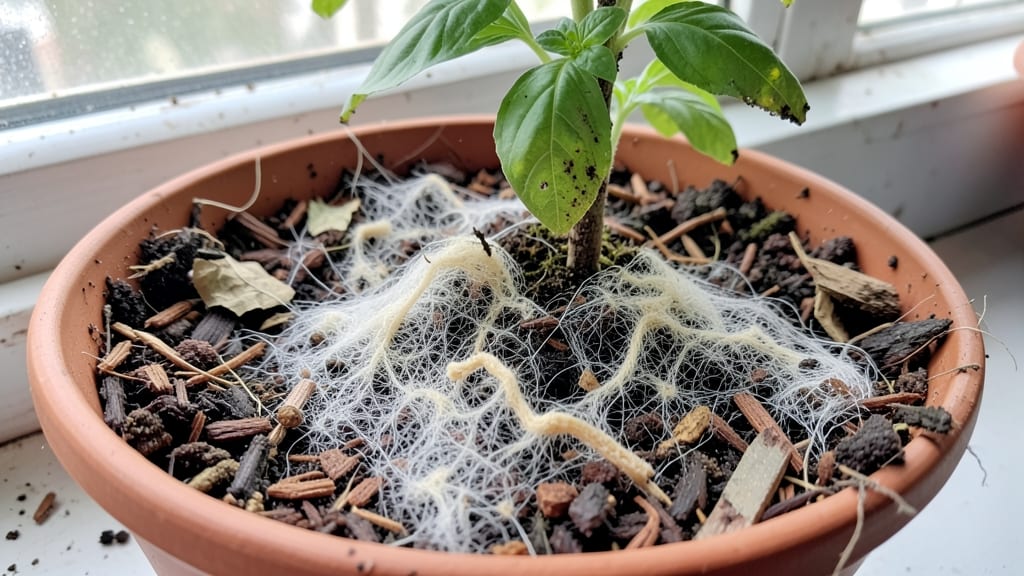
A fungus garden soil recipe isn’t about avoiding fungi—it’s about harnessing the right kind. My first attempt at fixing compacted soil with compost alone failed until I learned to balance beneficial mycorrhizal fungi with organic matter.
The difference? Plants rooted deeper, flowers bloomed heavier, and my tomatoes actually ripened instead of wilting midseason.
Start by testing your soil’s pH and organic content—most fungal imbalances stem from either too much acidity or a lack of food for microbes. Add 1-2 inches of compost and 1 cup of mycorrhizal inoculant per square foot, then mix in coarse sand if drainage is poor.
This combo feeds the good fungi while starving out pathogens. Think of it like a probiotic for your soil.
Within 4-6 weeks, you’ll notice stronger stems, better water retention, and fewer leaf diseases. The key is consistency: top-dress with worm castings every 3 months to keep the fungal network active. Even my struggling azaleas—once prone to root rot—now thrive with this approach.
Works for vegetables, shrubs, and perennials, though acid-loving plants like blueberries need extra peat moss. The secret? Healthy fungi don’t just help plants—they protect them. Let’s get your soil working for you, not against you.
Root Causes of Fungal Imbalance
Creating a thriving fungus garden soil isn’t just about tossing in compost and hoping for the best—it’s a delicate balance of microbial ecosystems, environmental conditions, and organic inputs. When your soil’s fungal networks underperform, it’s usually due to one (or more) of these key disruptions.
Let’s break down the science behind why fungal life struggles in garden beds.
Fungi thrive in undisturbed, interconnected soil structures where their mycelium (thread-like roots) can spread freely. Over-tilling shreds these delicate networks, exposing them to oxygen and sunlight—both of which can kill fungal spores and hyphae. Think of it like cutting a spider’s web mid-stride: the whole system collapses.
Why it happens:
- Physical damage: Tilling breaks hyphae into tiny fragments, reducing their ability to form new connections.
- Oxidation stress: Exposed mycelium reacts with oxygen, producing harmful peroxides that weaken fungal colonies.
- Loss of habitat: Fungi rely on organic matter pockets (like decomposing leaves or roots) for shelter. Tilling buries these resources too deeply or exposes them to decomposition too quickly.
Actionable fix: 💡 Adopt no-dig gardening—use broadforks or chop-and-drop mulch to preserve soil structure. If tilling is necessary, limit it to spring or fall when fungal activity is naturally lower.
Fungi are mesophiles, meaning they prefer moderate conditions—think cool, moist, and slightly acidic (pH 5.5–7.0). Push these parameters too far, and fungal growth grinds to a halt.
For example, mycorrhizal fungi (plant-root partners) can’t survive in alkaline soils (pH >7.5), while pathogenic fungi (like Phytophthora) thrive in waterlogged, acidic conditions.
Why it happens:
Factor
Fungal Impact
Common Causes
Temperature
Below 40°F (4°C) or above 95°F (35°C) halts growth; extreme heat kills spores.
Sudden frost, summer heatwaves, or poor mulching.
pH
Below 4.5 (too acidic) or above 8.0 (too alkaline) inhibits beneficial fungi.
Over-fertilizing with lime, using synthetic nitrogen, or leaching organic matter.
Moisture
Waterlogged soil (>30% saturation) suffocates aerobic fungi; drought (<10% moisture) starves them.
Poor drainage, overwatering, or clay-heavy soils.
Actionable fix: ✨ Test your soil (use a home pH kit or lab test) and amend with:
- For acidic soil (pH <5.5): Add wood ash or crushed eggshells (sparingly).
- For alkaline soil (pH >7.5): Mix in peat moss, pine needles, or composted leaf mold.
- For temperature control: Use 3–4 inches of mulch (straw, wood chips) to insulate roots.
Soil microbes compete for resources, and high-nitrogen fertilizers (especially synthetic ones like urea or ammonium nitrate) tip the scales toward bacteria, which reproduce faster but don’t build long-term fungal networks. Meanwhile, fungi need carbon-rich foods (like compost, wood chips, or cover crops) to grow their extensive hyphal systems.
Why it happens:
- Nitrogen dominance: Bacteria outcompete fungi for nitrogen, reducing mycorrhizal colonization by 50–90%.
- Lack of carbon: Fungi derive energy from decomposing organic matter. If your soil lacks fresh compost or green manures, they starve.
- Synthetic inputs: Chemicals like glyphosate or copper-based fungicides can kill beneficial fungi outright.
Actionable fix: 🌱 Shift to a fungal-friendly diet for your soil:
- Use low-nitrogen fertilizers (e.g., fish emulsion 3-1-2 or kelp meal).
- Add carbon sources: Chop-and-drop composted leaves, wood chips, or spent mushroom substrate.
- Avoid broad-spectrum fungicides—opt for neem oil or baking soda sprays for plant diseases.
Not all fungi are beneficial—some are parasitic, feeding on living fungal networks or plant roots. Trichoderma (a common soil fungus) can outcompete mycorrhizae, while nematodes (microscopic worms) burrow into fungal hyphae, weakening the soil’s immune system.
Why it happens:
- Competitive fungi: Trichoderma and Pythium species release antibiotics that suppress mycorrhizal growth.
- Nematode infestations: Aphelenchoides nematodes target fungal hyphae, reducing soil aggregation.
- Contaminated amendments: Poor-quality compost (e.g., from diseased plant material) can introduce pathogens.
Actionable fix: 🔥 Introduce fungal allies and monitor pests:
- Plant mycorrhizal-friendly crops (e.g., tomatoes, blueberries, or fruit trees) to encourage beneficial fungi.
- Use beneficial nematodes (Steinernema spp.) to control pests without harming fungi.
- Solarize soil in summer (clear plastic sheets for 4–6 weeks) to kill pathogens.
Fixing Fungus Issues in Garden Soil
Fungal imbalances in your garden soil can stifle plant growth, but the good news is that most problems have simple, natural solutions. Below, we’ve mapped common causes to actionable fixes—plus prevention tips to keep your soil thriving long-term.
Cause: Overwatering, compacted soil, or poor drainage creates a damp, anaerobic environment where fungi thrive unchecked.
How to Fix It:
- 🔥 Adjust Watering Habits: Water deeply but less frequently—aim for 1–1.5 inches per week (including rain). Use a moisture meter to check soil dampness before watering.
- 👨🍳 Loosen Compacted Soil: Aerate with a garden fork or broadfork to break up dense layers. For containers, mix in perlite or coarse sand (20% of the soil volume) to improve drainage.
- ⏰ Optimize Drainage: Raise garden beds slightly or add a 1-inch layer of gravel at the bottom of pots. Ensure containers have drainage holes.
- 🌡️ Boost Competition: Plant fungus-resistant crops (like marigolds, basil, or onions) to outcompete harmful fungi naturally.
💡 Prevention Tip: Spread a 2-inch layer of mulch (straw, wood chips, or pine needles) to regulate moisture and block fungal spores from splashing onto leaves.
Cause: Excessive fungicides, synthetic fertilizers, or lack of organic matter disrupt the microbial balance, letting harmful fungi dominate.
How to Fix It:
- 🍳 Feed the Good Guys: Amend soil with compost, worm castings, or mycorrhizal inoculants to restore beneficial fungi and bacteria. Aim for 20–30% organic matter in garden beds.
- 🥘 Avoid Chemical Overload: Skip fungicides unless absolutely necessary. Instead, use neem oil, baking soda spray (1 tbsp + 1 quart water), or hydrogen peroxide (3% solution, 1:9 water ratio) for spot treatment.
- 🔪 Rotate Crops: Avoid planting the same fungus-susceptible plants (e.g., tomatoes, peppers) in the same spot yearly. Rotate with legumes (beans, peas) or brassicas (kale, cabbage) to break fungal cycles.
- 🌿 Encourage Biodiversity: Plant clover, alfalfa, or cover crops to add nitrogen and attract predatory microbes that suppress pathogens.
💡 Prevention Tip: Test your soil every 2–3 years (use a home kit or lab test) to monitor pH (ideal: 6.0–7.0 for most veggies) and nutrient levels. Adjust with lime (to raise pH) or sulfur (to lower pH) as needed.
Cause: Weakened plants (from stress, nutrient deficiencies, or wounds) invite fungal infections like powdery mildew, root rot, or blight.
How to Fix It:
- 🔥 Prune & Remove Affected Plants: Snip off yellowing/dying leaves and dispose of them in the trash (not compost). For severe cases, remove the entire plant to prevent spread.
- 👨🍳 Strengthen Plant Immunity: Apply a seaweed extract fertilizer (rich in immune-boosting kelp hormones) or fish emulsion for a nutrient boost.
- 🥘 Improve Airflow: Thin out crowded plants and space them 12–24 inches apart to reduce humidity around foliage.
- 🌡️ Use Fungicidal Sprays (Last Resort): Mix 1 cup milk + 1 gallon water (for powdery mildew) or 1 tbsp copper fungicide + 1 gallon water (for blight). Spray every 7–10 days until symptoms clear.
💡 Prevention Tip: Hardening off seedlings (gradually exposing them to outdoor conditions) and watering at the base (not overhead) reduce stress and fungal entry points.
For persistent fungal issues, rebuild your soil’s microbial diversity with these low-maintenance strategies:
| Problem | Solution | Prevention |
|---|---|---|
| Compacted Soil | Add biochar or leaf mold | Avoid walking on beds; use stepping stones. |
| Low Organic Matter | Mix in well-aged manure or green compost | Top-dress with compost annually. |
| High pH (Alkaline) | Work in elemental sulfur or pine needles | Test soil biannually. |
| Poor Drainage | Install French drains or swales | Plant in raised beds or slopes. |
Final Thought: Fungal imbalances are rarely permanent—most fixes take 1–3 growing seasons to show results. Stay consistent with organic amendments, monitor moisture, and let nature’s microbial network do the heavy lifting. Your plants (and soil) will thank you! 🌱✨
Frequently asked questions
What’s the difference between beneficial and harmful fungi in garden soil?
Beneficial fungi like mycorrhizae form symbiotic relationships with plant roots, improving nutrient uptake and drought resistance. Harmful fungi (e.g., Phytophthora or Fusarium) cause root rot, wilting, or leaf spots. The key difference? Beneficial fungi thrive in balanced, organic-rich soil, while pathogens exploit stressed plants or waterlogged conditions.
How often should I add compost to support fungal growth?
Top-dress garden beds with 1–2 inches of compost every 2–3 months to feed beneficial fungi. For containers, mix 20–30% compost into the soil at planting. Overdoing it can shift the microbial balance toward bacteria—aim for a 1:1 carbon-to-nitrogen ratio (e.g., mix green compost with brown leaves).
Can I use coffee grounds to boost fungal activity?
Yes, but sparingly! Coffee grounds are high in nitrogen, which can temporarily favor bacteria over fungi. Mix 1 part grounds with 3 parts brown leaves or straw to balance carbon. Spread a thin layer (½ inch) in garden beds or compost piles—never pile them up, as they’ll mat and repel water.
Why do my plants still look unhealthy even after adding fungal amendments?
Fungal networks take 4–6 weeks to establish. Check for hidden issues: overwatering (drowns fungi), compacted soil (blocks oxygen), or pH imbalances (ideal: 5.5–7.0). Test your soil and ensure plants aren’t crowded—poor airflow invites pathogens. Patience is key!
Are there plants that naturally attract beneficial fungi?
Plant clover, alfalfa, or legumes to add nitrogen and mycorrhizal-friendly crops like tomatoes, blueberries, or fruit trees. Cover crops like buckwheat also encourage fungal diversity. Avoid monocultures—they disrupt microbial balance.