
Vegetables
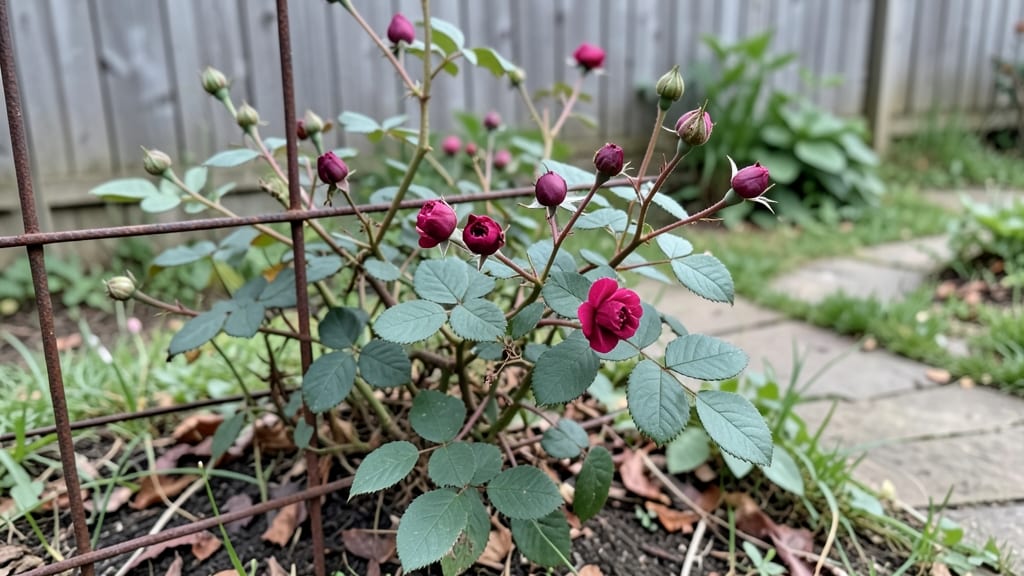
French cottage gardens aren’t just gardens—they’re living postcards that spill over with romantic layers and colors that shift like a painter’s palette. 🌿 I fell in love with this style when I stumbled upon a 19th-century garden in Provence, where roses tangled with lavender and peonies spilled onto stone paths.
The magic isn’t in rigid rows but in whimsical borders where perennials, annuals, and climbers play hide-and-seek.
What makes these gardens work is their effortless charm: rambling roses on arbors, herbs tucked into herbaceous perennials, and old-fashioned flowers like delphiniums and hollyhocks reaching skyward.
You don’t need a sprawling estate—even a small urban yard can become a cottage garden with the right plant mix and a few rustic touches like a wooden trellis or a vintage door gate.
The key is layering textures: velvety lamb’s ear beside spiky echinacea, silvery foliage next to deep purple blooms.
Imagine stepping into your garden in spring and finding fragrant wisteria draping over a gate, summer bursting with sunflowers and zinnias nodding in the breeze, and fall glowing with golden rod and asters.
This isn’t just seasonal color—it’s a year-round story told in petals, leaves, and the occasional wayward butterfly. The best part? You can start small, adding one new plant or DIY feature each season and letting the garden grow into its own character.
Whether you’re dreaming of a full-scale cottage escape or just want to sprinkle this magic into a corner of your yard, the principles stay the same: mix heights, blend colors, and let nature do the arranging.
The result? A garden that feels like home—one that invites you to linger, explore, and lose track of time.
📚 In This Guide
- What you need
- Instructions
- Tips and common mistakes
- Wrapping up and next steps
What you need
- ● Plants: Perennials: Lavender, roses (climbing & shrub), peonies, delphiniums, foxgloves, hollyhocks (5–10 plants per type)
- ● Annuals: Sweet peas, nasturtiums, marigolds, pansies, or calendulas (packets of seeds or young plants)
- ● Herbs: Rosemary, thyme, sage, oregano (3–5 plants)
- ○ Vegetables (optional but whimsical!): Pole beans, zucchini, cucumbers, or lettuce (for a "forgotten corner" vibe)
- ● Soil & Amendments: High-quality garden soil or compost (2–3 cubic yards, depending on space)
- ● Organic mulch (straw, wood chips, or shredded bark—1–2 bags)
- ● Slow-release fertilizer (balanced 10-10-10 or organic options like fish emulsion)
- ● Structural Elements: Trellises or arbors (2–4, for climbing roses or sweet peas)
- ○ Stone pathways or stepping stones (optional but iconic—10–20 pieces)
- ● Wrought-iron or wooden garden benches (1–2, for that cozy cottage feel)
- ● Tools: Garden trowel, pruners, and loppers
- ● Wheelbarrow or garden cart (for hauling soil/mulch)
- ● Watering can or hose with spray nozzle
- ● Gloves (heavy-duty for thorny roses!)
- ● Prerequisites: Sunlight: 6+ hours of direct sun (partial shade works for some perennials)
- ● Space: At least 4’x4’ per plant (French cottage gardens thrive with room to wander)
- ● Water source: Garden hose or drip irrigation (consistent moisture is key!)
Step-by-Step instructions for creating your own French cottage garden
Here's how to layer charm into your space—season by season, with plants that thrive together.
🌿 Step 1: Plan Your Whimsical Layers
French cottage gardens thrive on three-dimensional planting, so start by sketching your space in zones. The back layer should feature tall, structural plants like hydrangeas or delphiniums, reaching 4-6 feet. These anchor the design and create depth. Next, add mid-height plants—think peony bushes or lavender—that fill the 2-3 foot range. Finally, the foreground belongs to sprawling perennials like geraniums or coral bells, which cascade or mingle at the soil level.
I like to group plants by color families—soft pinks with lavender, creamy whites with silver foliage—to create cohesive drifts that look intentional. Avoid rigid rows; instead, let plants meander naturally, as if they’ve been growing there for decades. This organic flow is the heart of the French cottage style.
🪴 Step 2: Prepare the Soil for Long-Term Beauty
French cottage gardens demand rich, well-draining soil that supports both shallow-rooted perennials and deeper shrubs. Work 4-6 inches of compost into the topsoil, loosening it to a depth of 12 inches to encourage root growth. If your soil is heavy clay, amend it with peat moss or coarse sand to improve drainage—waterlogged roots spell disaster for delicate blooms.
I swear by a light mulch layer—about 2 inches of shredded bark or straw—to retain moisture and suppress weeds without smothering plants. This is where the magic happens: the soil stays loose, airy, and full of life, just like the gardens of Provence.
☀️ Step 3: Plant for Season-Long Color
To keep your garden blooming from spring through fall, layer plants with staggered bloom times. Start with early spring bloomers like bleeding heart or pulmonaria, followed by midseason stars such as peonies and roses. Finish with late-season performers like asters or chrysanthemums to carry the show into autumn.
I plant in odd-numbered clusters—threes or fives—so the garden feels abundant without looking crowded. Space taller plants 18-24 inches apart and shorter ones 12-18 inches apart, leaving room for them to spread naturally. The key is to mimic the wild, romantic abundance of a French village garden, where every inch is lush with life.
✂️ Step 4: Maintain with a Light Touch
French cottage gardens are low-maintenance once established, but they do require regular deadheading to encourage continuous blooms. Snip spent flowers back to the nearest set of leaves with clean, sharp shears—this redirects energy to new growth. I also prune leggy stems in early spring to keep plants compact and bushy.
Water deeply but infrequently—aim for 1 inch of water per week, delivered at the soil level rather than overhead. This prevents fungal diseases and keeps foliage dry, which is critical for the health of your perennials. A morning watering routine ensures everything stays lush without inviting pests.
🌱 Step 5: Add Whimsical Touches
No French cottage garden is complete without ornamental elements that spark joy. Scatter old stone stepping stones or wrought-iron trellises for climbing roses. Tuck in vintage garden tools as decorative accents or plant fragrant herbs like lavender and rosemary near seating areas. Even a weathered birdbath or rustic wooden bench elevates the space.
I love to include unexpected textures, like a terracotta pot with trailing ivy or a wrought-iron gate leading to a hidden corner. These details create a sense of story and charm, making your garden feel like a living, breathing part of your home.
Tips & tricks for perfect French cottage garden design
Creating a French cottage garden that feels timeless and effortlessly charming takes more than just planting pretty flowers—it's about understanding the subtle art of layering and balance. Here are the secrets that'll help you achieve that dreamy, romantic look.
Layering Like a Pro: In Step 1, when planning your three-dimensional layout, remember that the back layer should feel like a dramatic backdrop. I always use delphiniums or hydrangeas here—their height creates instant visual drama. For the mid-height range, peony bushes or lavender add structure without overwhelming the space. The real magic happens in the foreground where geraniums and coral bells spill over edges naturally. Think of it like painting: your tallest elements are the dark background strokes, while the foreground plants add delicate highlights.
Soil Secrets for Long-Term Success: The 4-6 inches of compost in Step 2 isn't just about nutrients—it's about creating that perfect loose, airy texture French gardens are famous for. I've learned the hard way that heavy clay soil will make even the most beautiful plants struggle. If you're working with clay, mix in peat moss or coarse sand to create that ideal crumbly texture. And that 2-inch mulch layer? It's not just decorative—it's the secret to keeping weeds at bay while maintaining consistent moisture. I always use shredded bark because it breaks down slowly and adds organic matter over time.
Color Theory for Cohesive Drifts: When grouping plants by color families in Step 3, I recommend starting with three main hues and building from there. For example, pair soft pinks with lavender and silver foliage for a dreamy, romantic palette. The key is to create visual harmony without uniformity—let the plants meander naturally as if they've been growing there for generations. I often sketch my color groupings first to visualize how they'll flow together before planting. This step is where your garden goes from "planted" to "living artwork."
Low-Maintenance Upkeep: The 1 inch of water per week guideline in Step 4 is crucial, but timing matters just as much. Always water in the morning so foliage has all day to dry, preventing fungal diseases. I've found that a simple drip irrigation system set on a timer makes this effortless. And when deadheading in Step 4, always cut just above a set of leaves—this encourages bushier growth and more blooms. I keep a pair of sharp pruners dedicated just to deadheading, and I swear by it for keeping my gardens prolific all season.
Pro Tips for French Cottage Gardens
- Creating a French cottage garden that feels timeless and effortlessly charming takes more than just planting pretty flowers—it's about understanding the subtle art of layering and balance.
- Layering Like a Pro: In Step 1, when planning your three-dimensional layout, remember that the back layer should feel like a dramatic backdrop.
- Soil Secrets for Long-Term Success: The 4-6 inches of compost in Step 2 isn't just about nutrients—it's about creating that perfect loose, airy texture French gardens are famous for.
Frequently asked questions
What plants are essential for a classic French cottage garden?
A mix of romantic perennials (like lavender, roses, and peonies), whimsical annuals (such as nasturtiums and sweet peas), and edible herbs (basil, thyme, rosemary) creates that signature layered look. Don’t forget climbing vines (clematis, wisteria) for vertical drama!
How long does it take to establish a French cottage garden?
Patience is key! With perennial plants, expect 2–3 years to see full bloom. Annuals and herbs fill gaps faster, but the true charm builds over time as plants mature and intertwine. Start small—even a single rose bush or lavender hedge adds instant French flair!
Are French cottage gardens expensive to maintain?
Not necessarily! While roses and peonies have upfront costs, herbs, wildflowers, and heirloom veggies (like zucchini or beans) keep budgets friendly. Mulch, compost, and self-seeding annuals (like poppies) reduce long-term work. Thrift stores are great for vintage pots and trellises too!
How do I protect my garden from pests without chemicals?
French cottage gardens thrive on natural balance! Plant companion flowers (marigolds deter pests), use row covers for veggies, and introduce beneficial insects (ladybugs, lacewings). Neem oil or garlic spray are gentle, eco-friendly fixes.
Can I create a French cottage garden in a small space (like a balcony or patio)?
Container gardening is perfect for tiny spaces—try window-box herbs, hanging baskets of ivy, or mini trellises with sweet peas. Even a single potted lavender bush screams French charm. Vertical gardening maximizes room while keeping that layered look!
Wrapping up and next steps
French cottage gardens are all about effortless charm—layered with fragrant blooms, rustic textures, and timeless romance. Whether you’re drawn to their wild, romantic allure or practical vegetable-growing potential, these gardens prove beauty and bounty can thrive together. 🌸
Ready to bring a touch of French whimsy to your space? Start small—plant a single herb bed, sketch a winding path, or gather a few vintage pots. Every step is a celebration of nature’s simplicity. À vos jardins! 🌿