
Vegetables
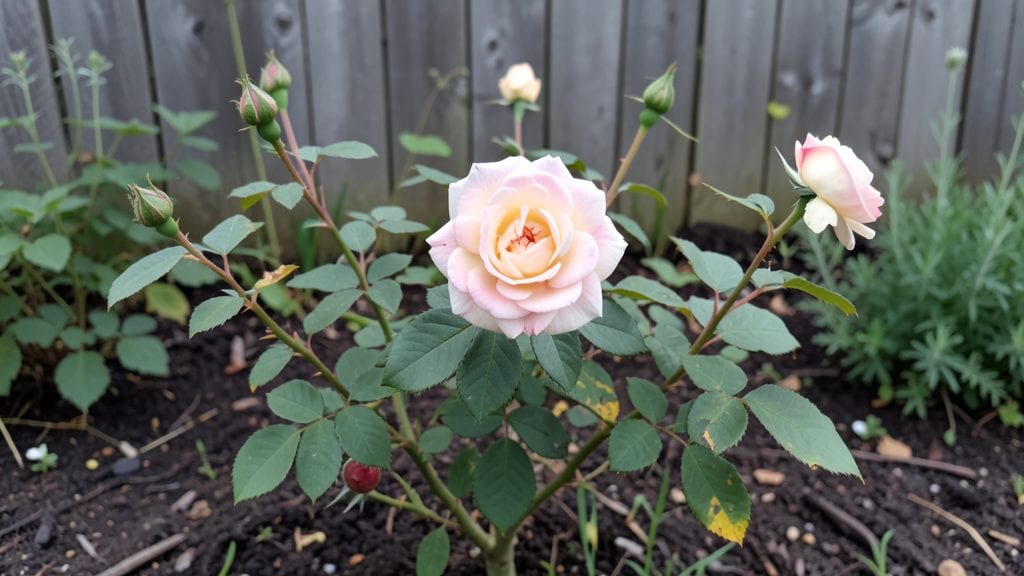
The Rosa Kew Gardens collection proves roses aren’t just summer stars—they’re the backbone of a garden that thrives in every season. 🌿 I’ve designed my own layered rose borders using Kew’s principles, and the difference is night-and-day: blooms from spring through frost, fragrance that lingers at dusk, and a structure that feels both wild and intentional.
Kew’s secret? Pairing classic roses like ‘Gertrude Jekyll’ with perennials that bridge the gaps—think lavender for summer, hellebores for winter, and ornamental grasses for texture. The layout isn’t random: roses get morning sun, perennials handle the shade, and everything’s spaced for airflow to keep diseases at bay.
Even small gardens can pull this off with just 3-5 rose bushes and a few supporting plants.
You’ll end up with a garden that smells like a stroll through Surrey but stays productive and low-maintenance. The roses climb arbors, spill over borders, and even line pathways, while the perennials fill in the blanks with color when the roses take a break.
My neighbors now ask how I keep it looking so effortless—here’s how.
Works for urban courtyards, rural borders, or even container displays. The key is starting small, then expanding as you see what thrives in your space. Let’s build that layered, fragrant retreat step by step.
📚 In This Guide
- What you need
- Instructions
- Tips and common mistakes
- Wrapping up and next steps
What you need
- ● Perennial Plants: 10–15 Rosa 'Kew Gardens' (or similar fragrant climbing roses)
- ● 5 Hellebores (for winter blooms)
- ● 8 Hydrangeas (e.g., Hydrangea macrophylla for seasonal color shifts)
- ● 6 Lavender (Lavandula angustifolia) for fragrance and pollinators
- ● 4 Salvia nemorosa (purple-blue spikes for texture)
- ● Soil & Amendments: 50 lbs compost (well-aged, organic)
- ● 20 lbs peat moss or coconut coir (for drainage)
- ● 1 lb balanced fertilizer (10-10-10 or organic alternative)
- ● Support Structures: 2–3 rose trellises or arches (6–8 ft tall, galvanized metal)
- ● 1 small obelisk (for climbing roses)
- ● Tools: 1 garden trowel
- ● 1 pruning shears (bypass type for clean cuts)
- ● 1 garden fork (for aerating soil)
- ● 1 wheelbarrow (for hauling materials)
- ● Mulch (3–4 inches of wood chips or straw to retain moisture)
- ● Drip irrigation kit (for consistent watering)
- ● Decorative stones or gravel (for pathways and borders)
- ● Fragrant companion plants: Jasmine, Peonies, or Catmint
- ● Garden stakes & twine (for training young rose canes)
How to design a Rosa Kew Gardens-inspired perennial border
Inspired by the legendary Kew Gardens' layered approach, this design delivers seasonal interest and fragrance while minimizing maintenance.
🌱 Step 1: Plan Your Base Layer with Evergreen Foundation Plants
Start with 4-6 plants of evergreen shrubs like boxwood (Buxus sempervirens) or dwarf holly (Ilex crenata) as your structural base. These create a lush backdrop that stays green year-round while anchoring the design. At Kew, they use these at 18-24 inches apart for a dense, unbroken foundation.
Choose varieties with different textures—some narrow and upright, others rounded—to create visual contrast. I like to alternate between 2-3 inch spacing for finer textures and 3-4 inch spacing for broader foliage. This creates a natural, organic rhythm that the eye follows effortlessly.
🌿 Step 2: Add Mid-Height Perennials for Seasonal Color
Select 6-8 plants of mid-height perennials like Russian sage (Perovskia atriplicifolia) or lamb's ear (Stachys byzantina) to fill the 2-3 foot height range. These should bloom in early to mid-season when the foundation layer might still be dormant. At Kew, they often use 18-24 inch spacing for these plants to prevent overcrowding.
Look for varieties with different bloom times—start with early bloomers like lungwort (Pulmonaria) in spring, followed by catmint (Nepeta) in summer, and finish with late-season asters. This creates a continuous color show from March through October. I always include at least 2-3 fragrant varieties like lavender or anise hyssop to engage multiple senses.
☀️ Step 3: Incorporate Climbing Roses as Vertical Accents
Place 2-4 climbing rose varieties along trellises or arching structures to create vertical interest. At Kew, they often use 6-8 foot trellises spaced 3-4 feet apart to allow for natural air circulation. Choose roses with different bloom times—like 'New Dawn' for spring, 'Blaze' for summer, and 'The Fairy' for fall—to extend the flowering season.
Plant roses 12-18 inches deep to encourage strong root development. I always add a handful of mycorrhizal fungi to the planting hole to help the roots establish faster in the first year. Space them 3-4 feet apart to allow for mature growth while maintaining a cohesive look.
✂️ Step 4: Layer with Low-Growing Ground Covers
Fill the remaining space with 5-7 plants of low-growing ground covers like creeping thyme (Thymus serpyllum) or ajuga (Ajuga reptans). These should be spaced 12-18 inches apart to create a dense, weed-suppressing layer. At Kew, they often use these to tie the entire design together visually.
Choose varieties with different foliage colors and textures—like silver lamb's ear for contrast against deep green roses. I always include at least one fragrant ground cover, like sweet woodruff (Galium odoratum), to add another sensory layer to the design. These plants will also help retain moisture in the soil, reducing watering needs.
💧 Step 5: Mulch and Water for Establishment
Apply a 2-3 inch layer of organic mulch like shredded bark to the entire bed to conserve moisture and suppress weeds. At Kew, they use a 3-inch layer of mulch to maintain consistent soil temperatures and reduce watering frequency. Water deeply once a week during the first growing season to encourage deep root growth.
Watch for new growth within 3-4 weeks—this is your signal that the plants are establishing well. I like to water in the early morning to reduce evaporation and prevent fungal diseases. After the first year, most of these perennials will be drought-tolerant, but the roses may need occasional deep watering during dry spells.
Tips & tricks for perfecting your Rosa Kew Gardens-inspired perennial border
Creating a Kew Gardens-inspired perennial border isn't just about planting—it's about layering textures, colors, and fragrances with precision. Here's how to elevate your design beyond the basics.
Layering for Visual Impact: The key to Kew's signature look lies in the spacing ratios between layers. For your 4-6 evergreen foundation plants in Step 1, maintain the 18-24 inch spacing but create visual rhythm by alternating between 2-3 inch spacing for finer-textured varieties and 3-4 inch spacing for broader foliage. This creates a natural undulating pattern that draws the eye through the garden. I've found that starting with the largest plants first and working toward the edges helps maintain this organic flow throughout.
Seasonal Color Strategy: When selecting your 6-8 mid-height perennials in Step 2, prioritize plants with staggered bloom times to create that coveted March-through-October color show. I recommend allocating 20% of your selections to early bloomers like lungwort, 50% to mid-season performers like Russian sage, and 30% to late-season stars like asters. This ratio ensures continuous interest without overwhelming any single season. Don't forget to incorporate 2-3 fragrant varieties—their scent will elevate the sensory experience beyond visual appeal.
Climbing Rose Placement: For the 2-4 climbing rose varieties in Step 3, strategic placement is everything. Position your 6-8 foot trellises at 3-4 foot intervals to create natural air circulation while maintaining visual cohesion. I've discovered that placing taller varieties toward the back and shorter ones toward the front creates a cascading effect that mimics Kew's famous layered approach. Remember to plant roses at 12-18 inches deep—this depth encourages stronger root development, which translates to more robust blooms throughout the season.
Ground Cover Selection: Your 5-7 low-growing ground covers in Step 4 deserve special attention—they're the glue that holds your design together. Choose varieties with contrasting foliage colors and textures to create visual interest at ground level. I always include at least one fragrant option like sweet woodruff, which not only adds scent but also helps suppress weeds naturally. The 12-18 inch spacing recommended for these plants allows them to spread and fill in over time, creating that lush, carpet-like effect characteristic of Kew's designs.
Pro Tips for Rosa Kew Gardens
- Creating a Kew Gardens-inspired perennial border isn't just about planting—it's about layering textures, colors, and fragrances with precision.
- Layering for Visual Impact: The key to Kew's signature look lies in the spacing ratios between layers.
- Seasonal Color Strategy: When selecting your 6-8 mid-height perennials in Step 2, prioritize plants with staggered bloom times to create that coveted March-through-October color show.
Frequently asked questions
Planning a visit to Rosa Kew Gardens or curious about its fragrant perennials? Here are some answers to common questions to help you make the most of your experience!
What’s the best time of year to visit Rosa Kew Gardens for peak blooms?
The gardens are stunning year-round, but spring (March–May) and early summer (June–July) offer the most vibrant blooms. Rosa varieties peak in late spring, while perennials like lavender and catmint shine in summer. Fall brings rich foliage and late-season roses—perfect for golden-hour photos!
Do I need to book tickets in advance, and are there discounts available?
Yes! Kew Gardens (which includes Rosa Kew) recommends booking online to skip lines. Discounts are available for students, seniors, families, and members of partner organizations. Check their official site for seasonal promotions or combo tickets that include the Palm House or Treelike.
How accessible is Rosa Kew Gardens for visitors with mobility challenges?
The gardens feature paved paths and gentle slopes, making them wheelchair- and stroller-friendly. Accessible restrooms and seating areas are available near key spots. For personalized assistance, contact Kew’s visitor services in advance—they’re happy to help!
Can I grow roses or perennials from Rosa Kew Gardens at home?
While Kew doesn’t sell plants on-site, many of their featured varieties (like Rosa ‘Gertrude Jekyll’) are available through nurseries or online retailers. For propagation tips, visit their learning resources or local gardening groups. Always check plant hardiness for your climate!
What are some alternatives if I can’t visit Kew Gardens in person?
Explore virtual tours on Kew’s website, or visit nearby botanical gardens like Richmond Park (free entry!) or Wisley Garden (RHS). For rose lovers, the Royal National Rose Society showcases cultivars similar to those at Kew.
Wrapping up and next steps
Visiting Rosa Kew Gardens is more than just a stroll—it’s a celebration of nature’s beauty in every season! 🌸 From vibrant blooms to fragrant perennials, this garden proves that year-round color isn’t just possible; it’s breathtaking.
Whether you’re a gardening enthusiast or simply love serene landscapes, let this space inspire your own green thumb adventures.
Ready to bring that magic home? Start small—plant a few Rosa varieties in your garden or even in pots on your balcony. Your next step could be as simple as a single bloom! 🌱