
Landscaping
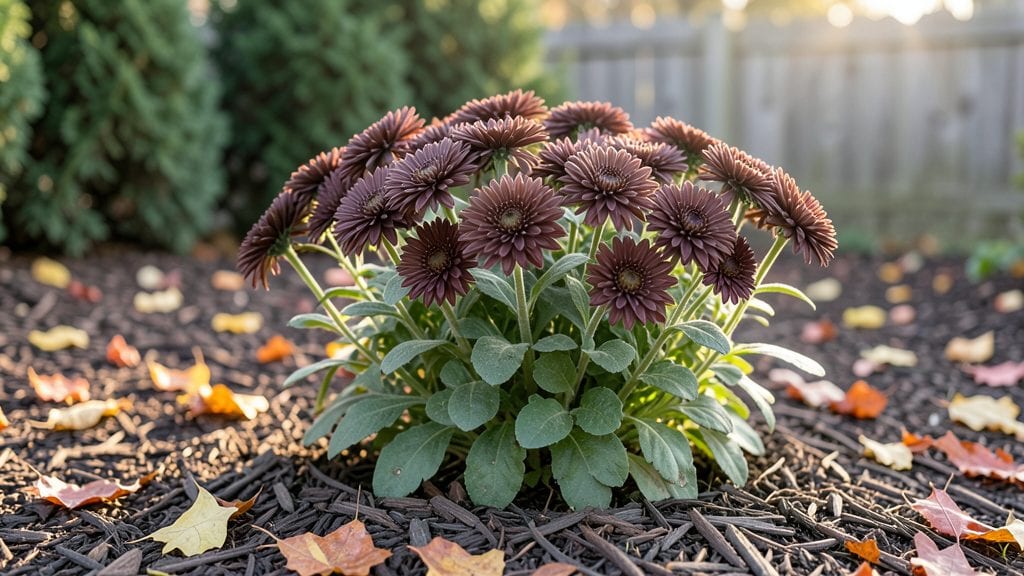
Fall garden design transforms your yard into a warm, inviting haven when most gardens go dormant. 🌿 I’ve designed fall spaces that feel like a cozy blanket for the landscape—layered with textures, rich colors, and plants that thrive when others fade.
The key is mixing evergreens with seasonal stars like chrysanthemums and ornamental grasses to keep things lively until winter.
Start with a color palette of deep oranges, rusts, and soft golds—think pumpkins paired with burgundy mums and silvery grasses. For small spaces, vertical elements like trellises with climbing vines or tall grasses create drama without overwhelming.
In larger areas, add cozy seating nooks with weather-resistant fabrics and twinkling string lights to extend the season’s charm.
Low-maintenance plants like sedum, heuchera, and pansies handle fall’s chill while adding pops of color. Mulch heavily to protect roots and keep weeds at bay. The best part? These designs transition smoothly into winter, so your garden never feels bare—just different.
Whether you’re going for a rustic harvest vibe or a sleek modern look, the right layers make all the difference. Let’s turn your fall garden into the standout of the neighborhood—without the high upkeep.
📚 In This Guide
- What you need
- Instructions
- Tips and common mistakes
- Wrapping up and next steps
What you need
- ● Seasonal plants: 5–10 mums (chrysanthemums), 3–5 ornamental grasses (e.g., fountain grass), and 2–4 fall-blooming perennials (e.g., asters, sedum).
- ● Mulch: 2–3 cubic yards of shredded cedar or hardwood mulch (2–3 inches deep).
- ● Soil amendments: 5–10 lbs of compost or aged manure for nutrient boost.
- ● Fertilizer: Slow-release 10-10-10 fertilizer (1 lb per 100 sq ft).
- ● Decorative elements: 2–4 fall-themed accents (e.g., pumpkins, gourds, or rustic logs).
- ● Hand tools: Trowel, pruners, garden gloves, and a hand fork for soil prep.
- ○ Power tools (optional): Hedge trimmer, leaf blower, or wheelbarrow for heavy lifting.
- ● Measuring tools: Tape measure and stakes for layout.
- ● Site prep: Clear debris, loosen soil, and test pH (aim for 6.0–7.0).
- ● Weather check: Plan for cool, dry days (50–65°F ideal for planting).
- ○ Design sketch (optional but helpful): Map out plant placements and hardscape features.
How to layer a fall garden for year-round visual impact
This is how I create gardens that burst with autumn color while setting the stage for spring.
🌿 Step 1: Plan Your Seasonal Foundation
Start by sketching your space on paper—note existing structures, sunlight patterns, and any problem areas like wind exposure. I divide my design into three layers: backdrop plants, mid-height accents, and foreground textures. For fall, I focus on plants that provide bold foliage, rich berries, and structural interest while ensuring they'll transition smoothly into winter.
Look for plants with deep reds, oranges, and purples—these colors dominate the fall palette. I always include at least one evergreen (like boxwood or holly) to anchor the design and provide winter structure. This ensures your garden never looks bare, even when deciduous plants drop their leaves.
🪴 Step 2: Install Backdrop Plants for Structure
Begin with the tallest plants along fences, walls, or the back of your garden bed. I use ornamental grasses (like Miscanthus or Panicum) for movement and height, mixed with shrubs such as Viburnum or Hydrangea for year-round interest. These plants should reach 4-6 feet tall at maturity, so place them at the back of your design.
Dig holes twice as wide as the root ball but only as deep. This prevents burying the plant too deeply, which can suffocate roots. Water each plant deeply after placing it in the hole, then firm the soil gently around the base. Mulch with 2-3 inches of shredded bark to retain moisture and suppress weeds—this is especially important in fall when rain patterns shift.
☀️ Step 3: Add Mid-Height Accents for Color
Now fill the middle layer with plants that thrive in fall's cooler temperatures. I love using perennials like Black-Eyed Susan, Sedum, or Russian Sage for their vibrant blooms and long-lasting foliage. These should be spaced 18-24 inches apart to allow airflow and prevent disease.
For extra drama, incorporate fall-blooming annuals like Chrysanthemums or Pansies. These provide instant color and can be replaced in spring if they don't overwinter well. Plant them in clusters of 3-5 for a natural, full look. Water gently after planting to settle the soil, but avoid overwatering—fall gardens need less moisture as temperatures drop.
🌱 Step 4: Create Foreground Interest with Texture
Complete your design with low-growing plants that add texture and contrast. I use heuchera (coral bells) for their colorful foliage, saxifraga (stonecrop) for drought tolerance, and fern varieties like Dryopteris for lush greenery. These should be placed 6-12 inches apart to create a dense, inviting foreground.
Add mulch or gravel between plants to define paths and prevent weeds. This also helps regulate soil temperature, which is crucial in fall when nights grow cooler. Step back occasionally to check for gaps—fill any empty spots with evergreen ground covers like creeping thyme or wintergreen.
⏰ Step 5: Maintain Through Fall and Prepare for Winter
After planting, water deeply once a week unless rain provides adequate moisture. Fall gardens need less water, but consistent hydration helps roots establish before dormancy. I also fertilize lightly with a balanced, slow-release fertilizer in early fall to support new growth without encouraging tender, frost-sensitive shoots.
As temperatures drop below 40°F, reduce watering further and remove any spent blooms. This prevents seeds from forming and redirects energy to root growth. By late fall, add a 3-inch layer of mulch around woody plants to insulate roots from freezing temperatures. Your garden will look stunning now and come back stronger in spring.
Tips & tricks for perfect fall garden design
A few key strategies will help you create a fall garden that thrives through winter and bursts back to life in spring.
Seasonal Color Planning: When selecting plants for your fall palette, focus on foliage colors that will complement each other. Pair deep purples like 'Black Lace' elderberry with fiery oranges from 'Copperwave' sedum. I always test plant combinations in pots first—this way, you can see how colors interact in different light conditions before committing to your garden layout.
Root Ball Placement: In Step 2, when planting your backdrop shrubs and grasses, pay special attention to the root flare—the point where roots transition to the trunk. Position this just above soil level to prevent suffocation. I've seen many gardeners bury the root flare too deeply, which can cause poor growth or even plant death. Use a pencil to mark the correct depth before digging your holes.
Layered Watering Strategy: The once-a-week watering guideline in Step 5 works best when you water deeply—about 1-1.5 inches per session. I use a rain gauge to track moisture levels, especially important during fall's unpredictable weather patterns. Water in the early morning to reduce evaporation and allow foliage to dry quickly, preventing fungal diseases.
Winter Preparation: The 3-inch mulch layer mentioned for winter protection is perfect, but don't apply it until after the ground freezes. This prevents early-season warmth from encouraging tender new growth that could be damaged by late frosts. I also add a layer of straw mulch around tender perennials for extra insulation during extreme cold snaps.
Pro Tips for Fall Garden Design
- A few key strategies will help you create a fall garden that thrives through winter and bursts back to life in spring.
- Seasonal Color Planning: When selecting plants for your fall palette, focus on foliage colors that will complement each other.
- Root Ball Placement: In Step 2, when planting your backdrop shrubs and grasses, pay special attention to the root flare—the point where roots transition to the trunk.
Frequently asked questions
Got questions about creating a stunning fall garden design? You’re not alone! Here are some of the most common queries—and their answers—to help you plan with confidence.
When is the best time to start planning my fall garden?
Start planning as early as late summer (August) to take advantage of early fall sales on plants, mulch, and seasonal decor. If you’re planting perennials or bulbs, aim for September–October when temperatures are cooler. For annuals, mid-to-late summer is ideal so they have time to establish roots before winter.
Can I reuse last year’s fall plants, or should I replace them?
Many perennials (like sedum, heuchera, or ornamental grasses) thrive year after year, but annuals and tender plants may not survive. Replace 50% of annuals for fresh color, but keep healthy perennials—they’ll bounce back stronger with proper winter care (like mulching).
What’s the most budget-friendly way to create a fall garden?
Skip expensive containers and opt for mulch-heavy beds with hardy perennials (e.g., Russian sage, black-eyed Susans). Use free or cheap fillers like fallen leaves, pinecones, or branches for texture. Shop post-Labor Day sales for discounted seasonal plants and extend your garden’s life with evergreen shrubs.
How do I protect my fall garden from pests like slugs or deer?
Slugs love damp fall foliage—use copper tape around beds or sprinkle diatomaceous earth. Deer? Plant unappealing varieties like lamb’s ear, boxwood, or fritillaria bulbs. Add physical barriers (like fencing or mesh) early, and avoid planting hostas or tulips if deer are a local nuisance.
Will my fall garden still look good in winter?
Yes! Layer in winter interest plants like evergreens (e.g., holly, pine), ornamental bark (e.g., dogwood), and seed heads (e.g., coneflowers, grasses). Add structural elements like trellises, driftwood, or berkshire stone for texture. Mulch heavily to protect roots and keep the look cohesive.
Wrapping up and next steps
Designing your fall garden is all about embracing the season’s natural beauty while creating a space that thrives year-round.
By layering textures, colors, and hardy plants, you’ll craft a landscape that feels cozy, vibrant, and effortlessly stylish—even as winter approaches. Don’t wait for inspiration to strike: sketch your vision, gather materials, and start small if needed.
Ready to transform your outdoor space? Pick one section of your garden to refresh this weekend—whether it’s adding a pop of orange mums, installing a rustic fire pit, or planting evergreens for winter structure. Your future self (and guests!) will thank you. 🍂✨