
Tools
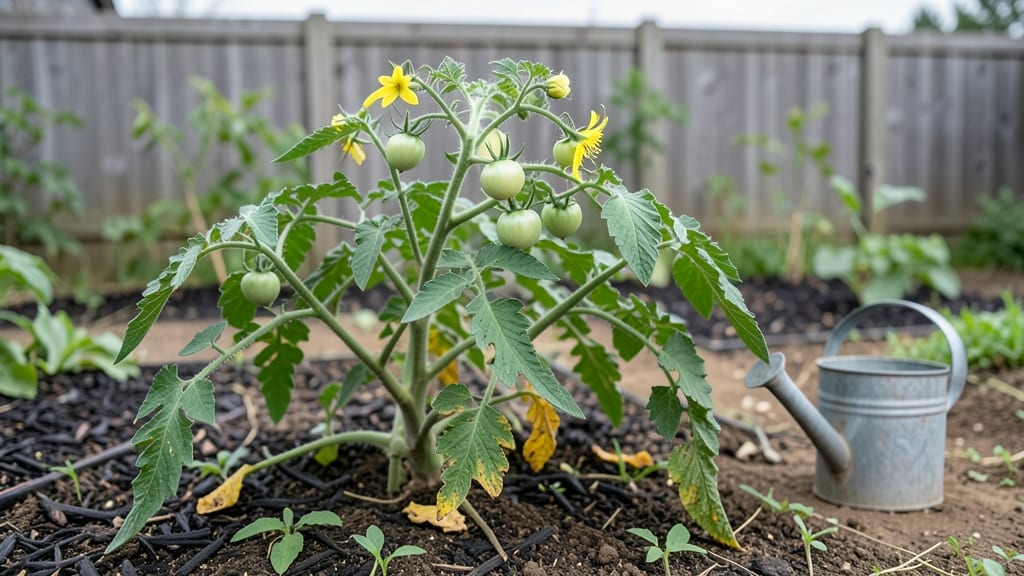
Facts about gardening uncover hidden science: soil microbes can supercharge growth by 30% more than chemical fertilizers, compost tea enhances nutrient uptake, and most plant failures happen from overwatering rather than neglect. Light needs also vary wildly—shade plants thrive in 4-6 hours of indirect sun, while sun-lovers demand 6+ hours daily.
Most gardeners focus on visible factors like sunlight and water, but the real game-changers live in the soil. 🌱 Beneficial microbes like mycorrhizal fungi form symbiotic relationships with plant roots, creating an underground network that delivers nutrients more efficiently than any fertilizer.
Even urban gardeners can harness this power by using compost tea or microbial inoculants. The key is understanding that healthy soil isn't just dirt—it's a living ecosystem where tiny organisms do most of the heavy lifting.
What's even more surprising is how sunlight preferences differ between plants.
That fern you love might need just 4 hours of dappled light, while your tomato plants could wilt without 8+ hours of direct sun. 🌞 Many garden failures stem from assuming all plants have the same needs—when in reality, proper placement can mean the difference between thriving and struggling.
The good news? Most plants are more forgiving than we think if you match their natural habitat conditions.
💡 In This Article
- How Soil Microbes Secretly Supercharge Plant Growth
- Common Gardening Myths Debunked with Expert Tips
How soil microbes secretly supercharge plant growth
Beneath every thriving garden lies an invisible army of microscopic allies. Mycorrhizal fungi, for example, form symbiotic relationships with over 90% of plant species, extending their hyphae like tiny roots to absorb water and nutrients from the soil.
These fungal networks can stretch up to 10 feet in length, creating a superhighway for nutrients that plants can't access alone. The result? Plants grow 20-30% faster with better drought resistance and disease protection.
Rhizobia bacteria take this further by fixing atmospheric nitrogen into forms plants can use. A single soybean plant, for instance, can host enough rhizobia to convert 100-300 pounds of nitrogen per acre—enough to replace synthetic fertilizers entirely.
Unlike chemical fertilizers that provide quick but temporary boosts, microbial fertilizers like compost tea create long-term soil health by feeding these beneficial organisms. Studies show compost tea can increase nutrient uptake by up to 40% while suppressing harmful pathogens.
The science gets even more fascinating when you consider how these microbes communicate. Plants release sugars through their roots to feed beneficial microbes, which in turn produce hormones that stimulate growth.
This two-way conversation helps plants respond to stress—like drought or pests—more effectively. 🌱 Urban gardeners can leverage this by adding compost or microbial inoculants to their soil, even in containers.
Here's where things get counterintuitive: soil isn't "dead" unless you kill it. Urban soils often contain dormant microbial communities just waiting for the right conditions. The key is providing organic matter (like compost) to feed these microbes, rather than relying on synthetic chemicals.
Many garden failures stem from disrupting this delicate balance—overwatering washes away microbes, while excessive fertilizer starves them of food.
Consider the difference between chemical fertilizers and microbial approaches. Chemical fertilizers provide nutrients directly but can burn plant roots and harm soil structure over time. Microbial fertilizers, however, work like nature intended—breaking down organic matter slowly and making nutrients gradually available.
For example, worm castings contain 10 times more nutrients than chemical fertilizers and improve soil structure by 50% within months.
What most gardeners don't realize is how quickly these benefits appear. Within 4-6 weeks of adding microbial amendments, you'll notice stronger root development, darker green leaves, and plants that bounce back faster from stress.
The best part? These microbes work across all plant types—from vegetables to ornamentals—making them a universal growth booster.