
Landscaping
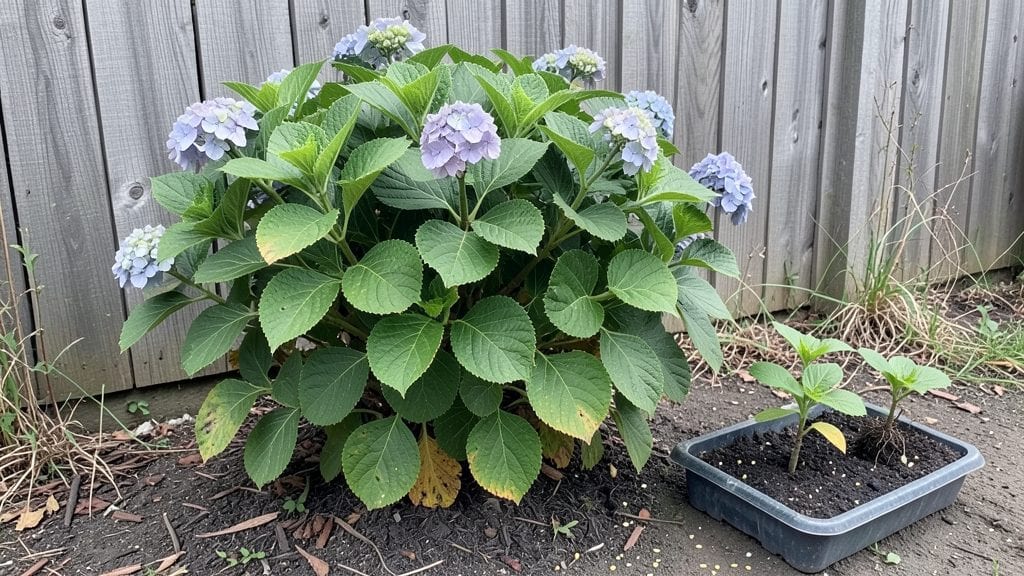
Creating an English garden landscaping design brings that dreamy, layered charm to your yard—where roses spill over stone walls and every season has its own story to tell. 🌿 I fell in love with this style after visiting a cottage garden where the scent of lavender and peonies led me through a maze of winding paths, each turn revealing something new.
The magic isn’t just in the plants but in how they’re arranged: tall hedges frame views, delicate climbers soften edges, and water features hum with life.
The key to pulling it off lies in three core elements: cottage-style flower beds bursting with color, neatly clipped boxwood or yew hedges, and gravel paths that invite you to wander.
You don’t need acres—even a small yard can have this look with the right plant choices and layout tricks. Think of it as painting with foliage: mix perennials for structure with annuals for pops of color, and let climbers like clematis or roses weave their way through arches or trellises.
By late summer, your garden will glow with hydrangeas and dahlias, then shift to winter interest with evergreens, berries, and bare branches dusted with frost. The transitions feel effortless because the plants are chosen to hand off the spotlight season after season.
Start small—maybe one 10x10-foot bed—and build from there. What makes this style timeless is how it adapts: you can keep it classic with roses and peonies or modernize with bold foliage plants like gunnera or heuchera. The rules are more like suggestions—let your personality guide the colors and textures.
Ready to bring that English garden charm home?
📚 In This Guide
- What you need
- Instructions
- Tips and common mistakes
- Wrapping up and next steps
What you need
- ● Soil & Mulch: Topsoil (2–3 cubic yards, depending on garden size)
- ● Compost (1–2 bags, for enriching soil)
- ● Organic mulch (cedar or hardwood, 2–3 cubic feet)
- ● Plants & Flowers: Perennials (e.g., roses, lavender, peonies—5–10 plants per section)
- ● Annuals (e.g., pansies, geraniums, snapdragons—20–30 plants for color bursts)
- ● Shrubs (e.g., boxwood, hydrangeas—3–5 for structure)
- ● Climbing plants (e.g., clematis, wisteria—2–4 vines)
- ● Bulbs (tulips, daffodils, alliums—50–100 bulbs for spring blooms)
- ● Hardscaping: Gravel or crushed stone (1–2 tons, for pathways)
- ● Flagstone or stepping stones (10–20 pieces, 12"x12" or larger)
- ● Arbors or trellises (1–2, depending on garden size)
- ○ Wooden fence panels or lattice (optional, for privacy)
- ● Hand Tools: Trowel, pruners, loppers, and a garden fork
- ● Garden gloves (2–3 pairs, for comfort)
- ● Wheelbarrow (1, for hauling materials)
- ● Power Tools: Hedge trimmer (for shaping shrubs)
- ● String trimmer & edger (for clean lines)
- ● Leaf blower or rake (for maintenance)
- ○ Optional Extras: Soaker hoses or drip irrigation system (for efficient watering)
- ● Birdbath or small pond (for wildlife appeal)
- ● Garden art (e.g., statues, wind chimes, or vintage signs)
- ● ✅ Plan your layout: Sketch sections for flowers, herbs, seating, and pathways. English gardens thrive on layers—tall to short, evergreen to seasonal!
- ● 💡 Soil test first: Amend clay or sandy soil with compost to ensure drainage and nutrient-rich beds.
- ● 🌡️ Seasonal prep: Plant bulbs in fall, perennials in spring, and annuals after the last frost.
- ● 🎯 Budget-friendly hack: Start small with a single "room" (e.g., a rose arbor + climbing flowers) before expanding.
Step-by-Step instructions for creating an English garden landscape
Here's how to craft that dreamy, layered look with plants that bloom in waves all year.
🌿 Step 1: Plan Your Planting Layers
English gardens thrive on height variation. Start with tall anchor plants like hydrangeas or hollyhocks for the back row—these create your garden's backbone. I like to place them 3-4 feet apart to allow mature growth without overcrowding. Next, add mid-height shrubs such as lavender or roses 2-3 feet apart in front of the tall plants. Finally, fill the front with low-growing perennials like ajuga or creeping thyme to create a lush, textured foreground.
Sketch a simple layout on paper first. This prevents planting too many of one variety in one spot, which can create color clashes. I always include at least three different shades of green in my base layer—it keeps the garden from looking flat even when nothing's blooming.
🪴 Step 2: Prepare the Soil for Season-Long Beauty
English gardens demand rich, well-draining soil. Work 3-4 inches of compost into the top 6-8 inches of soil before planting. This ensures roots get both nutrients and proper drainage. I like to add a 1-inch layer of coarse sand if my soil feels heavy or clay-like, as English gardens hate soggy roots.
Test your soil's pH if possible—most English garden favorites (like roses and hydrangeas) prefer slightly acidic to neutral (6.0-7.0). If your soil tests too alkaline, mix in peat moss to adjust. The goal is soil that holds moisture but never stays waterlogged after rain.
☀️ Step 3: Plant for Seasonal Color Transitions
Here's the secret to that magical English garden look: plant in three bloom cycles. Start with early spring bloomers like hellebores or lungwort in the front layer. Add mid-season stars like peonies or delphiniums in the middle, and finish with late summer/fall bloomers like asters or sedum in the back. This creates a continuous wave of color from March through October.
I always plant three of each variety—it creates a natural, abundant look without looking overcrowded. Space bulbs like daffodils and tulips 3-4 inches apart in clusters of 5-7 bulbs for a dramatic show. For perennials, dig holes twice as wide as the root ball and same depth—this prevents root circling as plants mature.
✂️ Step 4: Maintain with Seasonal Pruning
English gardens stay lush with three key pruning times: early spring (just as new growth appears), mid-summer (after first flush of blooms), and late fall (after frost). I always clean up dead foliage in late winter but leave seed heads on perennials like coneflowers—they provide winter interest and attract birds.
For roses, I prune just after the first bloom in spring to encourage a second flush. For shrubs like hydrangeas, I cut back one-third of the oldest stems each year to maintain shape. Mulch with 2-3 inches of organic material (like shredded bark) in early spring to retain moisture and suppress weeds.
💧 Step 5: Water with Purpose
English gardens need deep but infrequent watering. Water once a week during dry spells, delivering 1-1.5 inches of water per session. I always water early in the morning to reduce evaporation and fungal risks. For new plantings, water every 2-3 days until established—you'll know they're settled when leaves show first true growth without wilting.
Mulch helps tremendously—it keeps roots cool in summer and insulated in winter. I top up my mulch layer annually in early spring, adding 1-2 inches to maintain coverage. This also prevents soil from drying out between waterings and keeps weeds at bay.
Tips & tricks for perfect English garden landscaping
Creating an authentic English garden takes more than just planting pretty flowers—it's about thoughtful layering and seasonal planning that keeps your garden vibrant year-round.
The Layering Secret: When planning your planting layers in Step 1, remember that the back row should be about one-third taller than the front. This creates that signature English garden depth. I like to use a simple trick: hold your hand at arm's length and see if the tallest plants in the back appear about three times taller than the front perennials. This visual ratio ensures proper balance without overcrowding.
Soil Prep Pro Tip: In Step 2, don't skip the soil test! Most garden centers offer free pH testing kits. If your soil tests too alkaline, mix in 1 part peat moss to 3 parts soil—this creates the ideal slightly acidic environment (6.0-7.0) that roses and hydrangeas love. For heavy clay soil, add that 1-inch sand layer before mixing in compost, which helps break up compaction over time.
Seasonal Planting Strategy: For Step 3, think of your garden as a calendar. Plant your early spring bloomers (like hellebores) in the front where they'll get sunlight as the sun rises higher in the sky. Mid-season stars (peonies) belong in the middle where they'll get morning sun but afternoon shade from taller plants. This creates that magical "something's always blooming" effect that defines English gardens.
Pruning Precision: When you're pruning in Step 4, look for the "third bud" when cutting back roses. This means you should make your cut just above a bud that's about one-third down the stem from the base. This encourages strong new growth and more blooms. For hydrangeas, I always cut back the oldest stems first—they've already produced flowers, so removing them makes room for newer, more vigorous growth.
Pro Tips for English Garden Landscaping
- Creating an authentic English garden takes more than just planting pretty flowers—it's about thoughtful layering and seasonal planning that keeps your garden vibrant year-round.
- The Layering Secret: When planning your planting layers in Step 1, remember that the back row should be about one-third taller than the front.
- Soil Prep Pro Tip: In Step 2, don't skip the soil test!
Frequently asked questions
Got questions about creating your own English garden landscaping? Here are some of the most common ones—plus straightforward answers to help you plan with confidence!
What’s the best time of year to start an English garden?
Spring (March–May) is ideal for planting perennials, shrubs, and bulbs, while fall (September–November) works well for trees and spring-blooming plants. For instant impact, layer evergreens in winter. Pro tip: Soil prep can happen year-round!
How much does English garden landscaping cost?
Costs vary widely—$5–$20 per square foot for materials (plants, mulch, hardscaping) and $20–$100+ per hour for professional labor. DIY projects cut costs significantly. Prioritize perennials and native plants to save long-term.
Can I mix modern elements with traditional English garden styles?
Try sleek contemporary planters with classic roses, a geometric stone path winding through cottage-style borders, or a minimalist water feature paired with wildflower meadows. Balance is key—let the plants shine!
How do I keep pests and weeds under control in an English garden?
Start with healthy soil (compost + mulch) to deter pests. Hand-pull weeds early, use organic sprays (neem oil, garlic), and plant pest-repelling companions like lavender or marigolds. Pro tip: Encourage beneficial insects like ladybugs!
What are low-maintenance alternatives to high-upkeep English gardens?
Opt for drought-tolerant perennials (lavender, sedum), native plants (coneflowers, black-eyed Susans), and ground covers (ajuga, creeping thyme) to reduce mowing/pruning. Deer-resistant varieties (like hellebores) also cut labor!
Will an English garden survive harsh winters?
Yes! Choose hardy perennials (peony, hosta, Russian sage) and evergreen shrubs (boxwood, holly) for year-round structure. Mulch heavily in fall, and group plants by winter interest (e.g., berries, bark, seed heads) for color.
Wrapping up and next steps
Creating an English garden landscaping design is all about embracing nature’s charm with layered beauty and seasonal transitions. From selecting the right plants to designing cozy seating areas, every detail contributes to a serene, timeless retreat.
Whether you’re a seasoned gardener or just starting, the key is to take it step by step—your garden will evolve into a stunning masterpiece with patience and care.
Ready to bring your vision to life? Start small—sketch a rough layout, gather inspiration, and begin planting! 🌿 With each season, your garden will reward you with vibrant colors and tranquil moments. Happy gardening!