
Pests
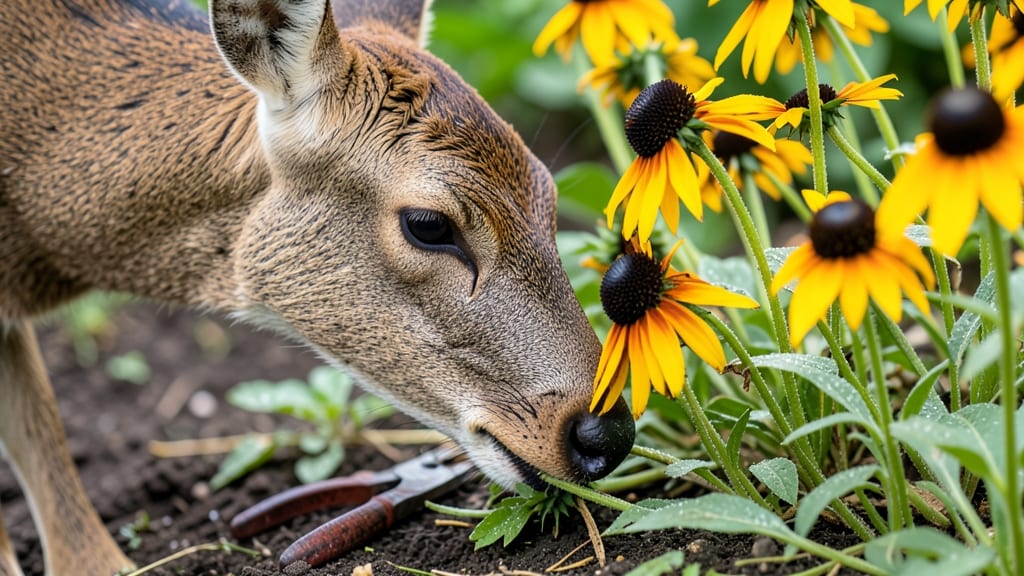
When deer turn your garden into their all-you-can-eat buffet, frustration turns to panic fast. 🌿 I’ve lost entire rows of hostas and daylilies to hungry bucks—until I discovered these natural barriers that actually work without trapping or harming them.
The key isn’t just repellents; it’s combining scent, sight, and physical obstacles in ways deer can’t outsmart.
Most people spray deer repellent once and give up when it wears off. Instead, I layered rotating scents (like garlic-soy spray and predator urine) with tall fencing (8-foot tall, not the cheap 4-foot stuff) and planting deer-resistant borders like Russian sage or lamb’s ear.
Even my neighbor’s prized roses stayed untouched after adding a motion-activated sprinkler—deer hate getting sprayed mid-snack.
By mixing these strategies, you’ll see results within two weeks: fewer broken stems, no more vanished zucchini, and plants that actually grow. The best part?
These methods work for vegetable gardens, flower beds, and even shrubs—no matter how much deer love your yard. Let’s build a fortress they’ll avoid.
Here’s where it gets interesting—some barriers (like fencing) last years, while others (like repellents) need refreshing. I’ll show you how to prioritize what matters most for your garden’s layout and deer activity patterns. No more guessing—just a plan that finally works.
Natural Attractions Luring Deer
Deer aren’t just wandering into your garden out of boredom—they’re following their instincts, driven by a mix of scent, sight, and survival needs. Understanding why they’re drawn to your green space is the first step in outsmarting them.
Let’s break down the science behind their behavior and what’s really making your garden a five-star buffet. 🦌🌿
Deer are herbivores with a highly selective palate, and your garden might be serving up their favorite dishes. Native plants, young shoots, flowers, and even fruits or vegetables are often packed with nutrients deer crave—especially during spring and fall when food is scarce elsewhere.
- Nutrient-rich plants: Deer target plants high in protein, sugars, and moisture, like hostas, daylilies, and roses. These are like fast food for them—easy to digest and packed with energy.
- New growth: Young, tender shoots are a delicacy because they’re softer and more nutrient-dense. If your garden has recently planted perennials or annuals, deer will zero in on them.
- Fruits and berries: Gardens with apple trees, grapes, or berry bushes are magnets. Deer don’t just eat the fruit—they’ll strip entire branches for the leaves and stems too.
Actionable insight: If your garden is a deer’s dream menu, they’ll keep returning. The solution? Outcompete them with less appealing plants or use barriers to block access before they even notice the feast.
In urban and suburban areas, deer face far fewer threats than in the wild. Without wolves, bears, or even human hunters nearby, they feel safe roaming your yard day and night. This boldness turns your garden into an all-you-can-eat salad bar with no consequences.
- Urbanization reduces fear: Studies show deer in suburban areas are less skittish than their wild counterparts. They associate humans with food (like bird feeders or pet food) rather than danger.
- Nighttime grazing: Deer are crepuscular, meaning they’re most active at dawn and dusk. If your garden is well-lit or lacks motion-sensitive lighting, they’ll graze undisturbed.
- Habitat loss drives them closer: As forests shrink, deer migrate to residential areas where food and shelter are plentiful. Your garden might be the only green space left in their territory.
Actionable insight: Mimic natural predator cues—like motion-activated lights or even predator urine (yes, it works!)—to make deer think twice before stepping onto your property. 🦊💡
Deer are opportunistic foragers, and if your garden is easily accessible, they’ll treat it like a drive-thru. Fences, hedges, or even gaps in landscaping can invite them in without effort. Their natural curiosity and agility make them excellent at finding weak spots in your defenses.
- Low or broken fences: A 4-foot fence might seem tall to you, but a deer can jump 8 feet or higher if motivated. Gaps, weak spots, or fences without an outward angle are easy to bypass.
- Open gateways: Pet doors, garden gates left ajar, or even large shrubs near entry points create inviting pathways. Deer will squeeze through surprisingly small spaces if food is on the other side.
- Ground cover bridges: Dense mulch, ground covers, or even fallen leaves can act as stealth ramps, helping deer scale fences or walls without effort.
Actionable insight: Conduct a deer accessibility audit of your property. Look for weak spots, reinforce fences with outward-facing angles, and eliminate easy entry points. A few strategic changes can make your garden feel like a fortress. 🏰🔒
Deer don’t raid gardens out of malice—they’re survival-driven. During late winter, early spring, and fall, natural food sources dwindle, forcing them to seek out manicured lawns and gardens for sustenance. Your well-watered, fertilized plants are a lifeline when their usual diet is sparse.
- Winter food shortages: Snow-covered fields leave deer with limited options. Evergreens and broadleaf plants in your garden become critical food sources.
- Spring green-up: As deer emerge from winter, they’re starving and will eat anything green. New grass, clover, and dandelions are like fast food to them.
- Fall acorn and nut depletion: If oak trees or other nut-producing plants have a poor yield, deer will turn to gardens for alternatives like corn, beans, or even ornamental plants.
Actionable insight: Time your planting and pruning to avoid peak deer activity. For example, delay planting tender annuals until after spring green-up or protect vulnerable plants with barriers during high-risk seasons. 🗓️🌱
Now that you know why deer are dining on your garden, the next step is turning your property into a less appealing option. Stay tuned for natural, science-backed solutions to keep these four-legged gardeners at bay! 🦌🚫
Protect Your Garden Naturally
Deer may see your garden as an all-you-can-eat buffet, but with the right strategies, you can turn them into spectators instead of snack thieves. The key is understanding why they’re munching and matching solutions to those causes. Below, we break down practical fixes—from quick wins to long-term defenses—that actually work.
Deer raid gardens most aggressively in late fall, winter, or early spring when natural food sources dwindle. Prevent over-grazing by outsmarting their hunger.
🍂 Plant Deer-Resistant Alternatives
Swap their favorite snacks (hostas, tulips, roses) for plants deer avoid:
- Herbs: Lavender, rosemary, mint, oregano
- Perennials: Russian sage, catmint, yarrow, coneflowers
- Vegetables: Peppers, onions, garlic, chives
- Trees/Shrubs: Boxwood, barberry, junipers, viburnum
Pro Tip: 🌱 Layer scent: Mix strong-smelling herbs (like thyme or basil) between vulnerable plants—deer dislike the combo of textures and aromas.
🍽️ Offer a Distraction
Create a "deer salad bar" 20–30 feet from your garden:
- Plant clover, alfalfa, or corn in a separate patch.
- Use deer feeders (available at garden centers) with pellets or hay.
- Bonus: This reduces their motivation to wander into your prized beds.
In suburban areas, deer feel bold without natural threats. Make them nervous—not hungry—to keep them away.
🕵️♂️ Motion-Activated Deterrents
- Sprinklers: Devices like ScareCrow spray water when they approach (harmless but startling).
- Ultrasonic repellents: Emit high-frequency sounds (inaudible to humans) that mimic predator alerts.
- Reflective tape: Hang old CDs or aluminum pie pans to create flashing light patterns that confuse them.
Pro Tip: 🔄 Rotate tactics: Deer get used to static deterrents. Switch between sprinklers, tape, and ultrasonic devices every few weeks.
🐺 Fake Predators (That Actually Work)
Deer’s survival instinct makes them wary of:
- Life-sized predator statues (coyotes, owls, or wolves—place them near entry points).
- Predator urine flags (available at garden stores; the scent signals danger).
- Eyes on stakes: Paint big, unblinking eyes (4–6 inches) on wooden stakes and place them around the garden perimeter.
Warning: ⚠️ Move statues monthly—deer learn to ignore stationary objects.
If deer are determined, they’ll jump fences or squeeze through gaps. Block their path with smart, low-effort barriers.
🧱 Fencing: The Gold Standard
- 8-foot tall fence: Deer can jump 8–10 feet, but an overhanging roof (bend branches outward at the top) prevents them from gaining leverage.
- Electric fencing: A single hot wire (3–5 inches high) at nose level deters them instantly.
Use insulated posts and a low-voltage charger (safely under 10,000 volts). - A-frame fencing: Cheaper than full-height fences; 3-foot tall wire mesh angled outward at 45 degrees stops them from climbing.
Pro Tip: 🔧 Bury fencing 6 inches deep to block digging deer (especially in winter).
🌿 Natural Barriers
- Thorny plants: Roses, pyracantha, or Russian olive create a living fence.
- Brambles: Plant blackberry or raspberry canes along property lines.
- Hedge mazes: Dense shrubs like privet or holly force deer to navigate awkwardly.
Caution: ⚠️ Avoid poisonous plants (like foxglove)—they’re unsafe for pets and children.
Deer have excellent noses—use this against them with strong, unpleasant smells.
🧴 Homemade Sprays (Cheap & Effective)
Mix these in a spray bottle and reapply every 1–2 weeks (or after rain):
- Rotten eggs + water: 1 tbsp egg yolks + 1 quart water (ferment for 3 days).
- Garlic + hot pepper: Blend 5 cloves garlic + 1 tbsp cayenne + 1 gallon water; strain and spray.
- Predator urine: Buy coyote or wolf urine from wildlife stores (reapply often).
Pro Tip: 🌡️ Spray at dusk—deer are most active then, and the scent lingers overnight.
🛒 Commercial Repellents
Look for USDA-approved sprays like:
- Liquid Fence
- Deer Out
- Bobby’s Liquid Fence
Warning: ❄️ Reapply after rain or snowmelt—scent washes away quickly.
The best defense? A garden deer won’t want to touch.
- Remove hiding spots: Trim tall grass and bushes where deer lurk.
- Use raised beds: Deer avoid climbing if the bed is 3 feet high or more.
- Plant in odd numbers: Deer prefer neat rows—scatter plants randomly.
- Add gravel or mulch borders: Crunchy textures deter them from stepping in.
Final Reminder: 🎯 Combine methods for the best results. A hungry deer might ignore a single tactic, but a layered approach (fencing + repellents + resistant plants) keeps them away for good. Start with one or two solutions, then expand as needed—your garden (and sanity) will thank you!
Frequently asked questions
What are the most effective deer-resistant plants for gardens?
Focus on plants deer dislike due to scent, texture, or toxicity. Herbs like rosemary, thyme, and lavender work well, as do perennials such as Russian sage, yarrow, and coneflowers. For vegetables, peppers, onions, and garlic are safe choices. Boxwood, barberry, and junipers are excellent shrub options that deer typically avoid.
How high should fencing be to keep deer out?
Standard 8-foot tall fencing is ideal since deer can jump up to 10 feet when motivated. For cost savings, try an A-frame fence (3 feet tall, angled outward at 45 degrees)—this prevents climbing. Always bury the fence 6 inches deep to stop digging deer, especially in winter when food is scarce.
Do motion-activated sprinklers really work against deer?
Yes! Devices like ScareCrow sprinklers spray a harmless burst of water when motion is detected, startling deer without harming them. They’re most effective when placed near garden entry points. For best results, combine them with other deterrents like predator urine or reflective tape—deer learn to avoid areas with multiple unpleasant surprises.
Can I use predator urine to keep deer away, and how often should I reapply?
Coyote or wolf urine (available at garden stores) mimics natural predator presence. Reapply every 2–4 weeks or after heavy rain, as scent fades quickly. Place urine-soaked flags near garden edges or entry points. For extra effect, combine with fake predator statues—deer are more likely to avoid areas that seem dangerous.
What’s the best time of day to apply homemade deer repellents?
Apply repellents like garlic-pepper spray or rotten egg mixtures at dusk, when deer are most active. The scent lingers overnight, deterring them from grazing. Reapply every 1–2 weeks or after rain. For maximum effectiveness, spray both plants and soil—deer rely on smell to locate food.