
Vegetables
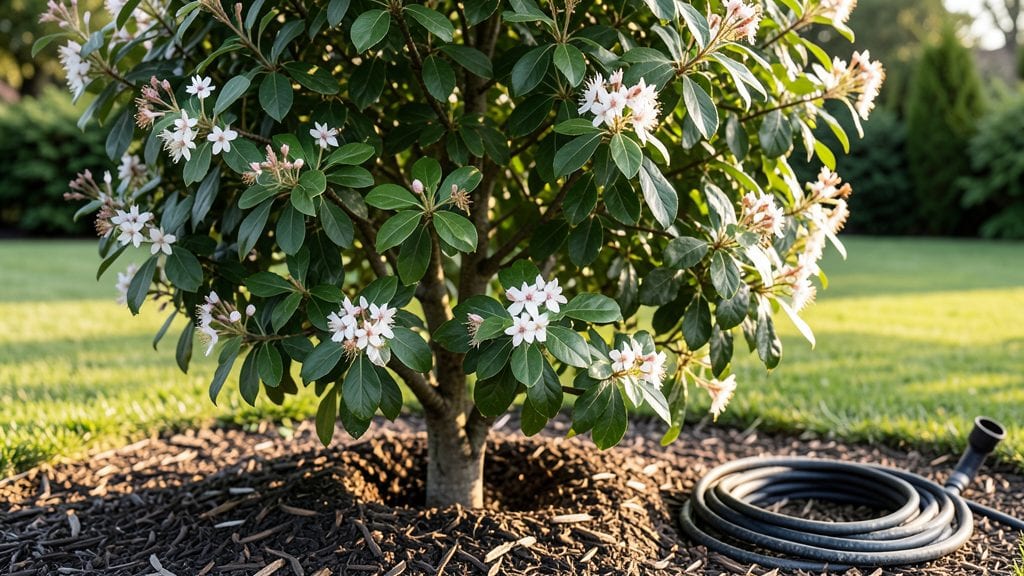
Choosing plants for DC’s garden zone means selecting cold-hardy varieties suited for USDA Zones 7b to 8a, where temperatures range from 5°F to 15°F (-15°C to -9°C). Opt for frost-resistant annuals, perennials, and shrubs like lavender, peonies, and hydrangeas, while avoiding delicate tropical species.
DC’s garden zone isn’t just about numbers—it’s about understanding how urban heat islands and microclimates create pockets of warmth or chill in your yard.
For example, areas near the Potomac River stay cooler in summer, while paved streets can bake plants in nearby beds. 🌿 I’ve seen gardeners in Ward 7 thrive with Russian sage (perfect for hot, dry spots) while neighbors in Georgetown need shade-loving hostas to survive summer heatwaves. The key?
Adjust planting based on your specific microclimate—even within the same zip code!
Beyond hardiness, DC’s long growing season (about 220 frost-free days) lets you experiment with warm-season crops like tomatoes and peppers, but timing is everything.
Start cool-season veggies like kale and spinach in early spring or fall, while heat-loving basil and cucumbers need to wait until after the last frost (typically mid-April). Pro tip: Use row covers for early starts—they extend the season by weeks!
💡 In This Article
- Understanding DC’s USDA Hardiness Zones and Microclimates
- Top Cold-Resistant Plants Thriving in DC Gardens
Understanding DC’s USDA hardiness zones and microclimates
DC’s classification as USDA Zones 7b-8a isn’t random—it reflects a mix of geographic factors. The city’s elevation (ranging from sea level near the Potomac to 300+ feet in northeast neighborhoods) creates temperature gradients, while urban heat islands add 5-10°F of extra warmth in summer.
This urban warming effect pushes some areas into Zone 8a, where average winter lows barely dip below 10°F, while cooler microclimates near water bodies stay closer to Zone 7b’s 5°F threshold.
The key mechanism here is how concrete and asphalt absorb and radiate heat. A sidewalk can reach 120°F in summer, while nearby shaded gardens stay 20°F cooler. This creates "microclimates" where a lavender bush thrives in one spot but wilts 20 feet away.
Even wind patterns matter—areas near the Anacostia River experience 30% more airflow than enclosed backyards, extending the growing season by 10-14 days each spring and fall.
Seasonal extremes amplify these effects. DC’s average January lows hover around 25°F, but sudden cold snaps can drop to -5°F—a lethal temperature for Zone 8 plants like camellias. Conversely, July highs often hit 90°F+, stressing heat-sensitive perennials.
The solution? Plant cold-hardy varieties like Russian sage (which tolerates -30°F) in exposed areas, while using mulch to protect roots from temperature swings.
Here’s how to adjust planting:
- Frost dates: Last spring frost typically arrives April 15-20, while first fall frost hits October 20-25. Plan warm-season crops (tomatoes, peppers) accordingly.
- Heatwaves: Choose drought-tolerant plants like sedum or yarrow for exposed beds.
- Shade microclimates: Hostas and ferns thrive in alleys with <50% sunlight.
What most gardeners overlook is how soil temperature lags behind air temperature. Even if the thermometer reads 50°F, soil may stay 10°F cooler—critical for seed germination. Use a soil thermometer to time plantings accurately. For example, broccoli seeds need soil at 45°F+ to sprout, while cucumber seeds require 70°F+.
Pro tip: Monitor your specific microclimate with a home weather station. I’ve seen 15°F differences between a south-facing wall and a north-facing garden—enough to shift a plant’s hardiness zone by one full level. Adjust accordingly, and you’ll maximize your garden’s potential!