Vegetables
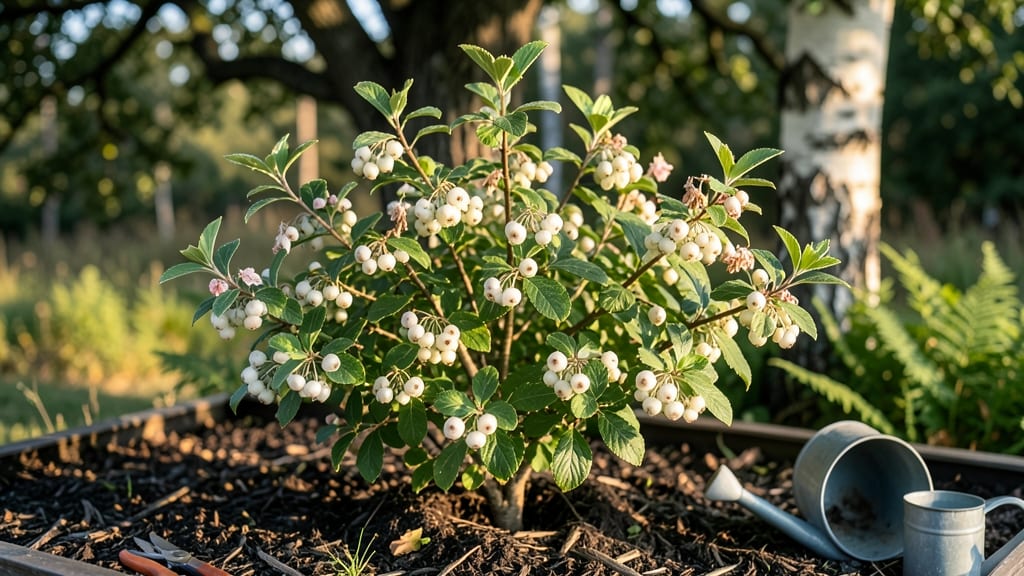
Understanding Boise's garden zone is essential for selecting the right plants: it spans USDA Hardiness Zones 6b to 7a, with cold winters (-5°F to 5°F) and hot, dry summers. This range supports hardy perennials like lavender and apple trees, while drought-tolerant species such as yarrow and sedum thrive in the arid climate. River-adjacent areas even allow for extended growing seasons for tomatoes and peppers.
Boise's unique climate—marked by sharp temperature swings and low humidity—creates distinct growing challenges.
The city's elevation (around 2,500–3,000 feet) means daytime highs can hit 90°F+ while nights drop below freezing, forcing plants to adapt quickly. 💫 Urban areas often experience microclimates where sidewalks stay warmer than open fields, which can affect frost dates and plant survival.
For example, Russian olive thrives in these conditions, while heat-sensitive herbs like basil may need afternoon shade in exposed garden beds.
What sets Boise apart is its ability to grow both cold-hardy and drought-resistant plants simultaneously. The sandy loam soil drains quickly, making irrigation timing critical—most natives like serviceberry bushes or Colorado blue spruce need water only every 2–3 weeks once established.
Meanwhile, river valleys create pockets where tomatoes can ripen 10–14 days earlier than in upland areas, giving gardeners a strategic advantage if they choose the right location.
💡 In This Article
- Understanding Boise’s USDA Zone 6b-7a Climate Factors
- Best Boise Garden Plants by Season and Water Needs
Understanding Boise’s USDA Zone 6b-7a climate factors
Boise’s elevation—sitting at 2,500–3,000 feet—plays a pivotal role in its climate extremes. The thinner air at this altitude allows sunlight to penetrate more directly, creating intense daytime heat that can exceed 95°F in summer while nights plummet to near freezing.
This rapid temperature shift forces plants to develop thick cuticles or deep root systems to conserve moisture and protect against cold snaps. The inland desert climate further amplifies these conditions, with humidity levels often dropping below 20% during peak summer months, making water retention critical for survival. 🌡️
Here’s what’s actually happening with frost dates: Boise’s average last spring frost occurs around April 15, while the first fall frost typically arrives by October 15, giving gardeners a 180-day growing season.
However, microclimates near the Boise River can push these dates by 10–14 days due to the river’s heat-retaining properties. Urban areas, with their concrete and asphalt, can also create "heat islands" where temperatures stay 5–10°F warmer than rural zones, extending the season for heat-loving plants like peppers.
Conversely, higher elevations in the foothills may see frost 2–3 weeks earlier, limiting options for tender annuals.
This climate dynamic explains why Boise thrives with drought-tolerant species like Russian sage or yarrow, which store water in their succulent leaves, while also supporting cold-hardy perennials like lavender that can withstand -15°F winters.
The key factor is selecting plants with adaptive root structures—deep taproots for natives or fibrous roots for annuals—to access moisture in Boise’s sandy loam soil.
For example, serviceberry trees develop extensive root networks to survive dry spells, while cherry tomatoes benefit from afternoon shade in river-adjacent microclimates to avoid sunscald.
The interplay between elevation and humidity also affects plant diseases. Fungal pathogens like powdery mildew thrive in Boise’s dry conditions, requiring resistant varieties (e.g., ‘Solar Fire’ peppers) or preventive sprays.
Meanwhile, the rapid temperature swings can stress plants unprepared for sudden cold snaps, making mulching with 3–4 inches of organic matter essential to insulate roots.
What most people don’t realize is how these factors create niche opportunities: Russian olive tolerates both drought and cold, while sedum thrives in rock gardens where moisture evaporates quickly.
Consider these microclimate comparisons for plant selection:
- River Valleys: Extended seasons for tomatoes, peppers; 10–14 days longer growing window
- Urban Areas: Warmer nights (5–10°F higher); ideal for heat-loving herbs like rosemary
- Foothills: Cooler, 2–3 weeks shorter season; better for alpine plants like penstemon
Boise’s climate isn’t just about extremes—it’s about strategic placement. A north-facing wall can protect tender plants from afternoon sun, while a south-facing slope accelerates spring warming.
The science behind this involves albedo effects (how surfaces reflect sunlight) and soil heat capacity, which explain why riverbanks stay warmer longer than open fields. By leveraging these natural patterns, gardeners can push the limits of what thrives in Zone 6b-7a. 🌿