
Fertilization
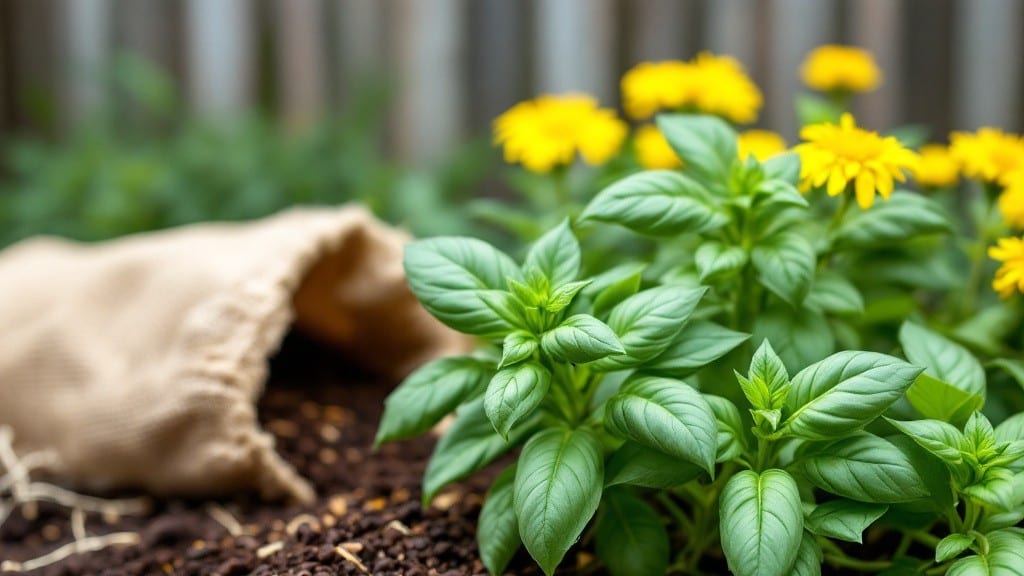
Using coffee grinds in your garden boosts soil fertility by introducing nitrogen and organic material while naturally deterring slugs and garden pests. Apply them lightly around plants or mix into compost for gradual nutrient release, but use sparingly to avoid creating mold or excessive soil acidity.
Coffee grinds act like a natural soil booster because they break down slowly, feeding beneficial microbes while their slightly acidic nature helps break up compacted dirt. 🌱 I’ve seen firsthand how a thin layer around tomato plants keeps pests away and improves drainage—just don’t pile them thickly near delicate roots.
For compost piles, they speed up decomposition by attracting worms and bacteria, though you’ll want to balance them with greens like grass clippings to avoid creating a too-sour mix.
What’s fascinating is how these grounds work differently depending on your plants. Acid-loving varieties like blueberries thrive with coffee’s lower pH, while vegetables prefer a more neutral approach—so always test your soil first.
My go-to method is mixing used grounds into the top inch of soil during planting, then topping with mulch to keep them in place.
💡 In This Article
- How Coffee Grounds Enhance Soil Health
- Best Ways to Apply Coffee Grinds in Your Garden
How coffee grounds enhance soil health
Coffee grounds are a powerhouse of organic nutrients because they contain approximately 2% nitrogen by weight—about half the nitrogen content of fresh manure but in a more concentrated form when decomposed.
This nitrogen is primarily in the form of proteins and amino acids that break down into ammonium (NH₄⁺), a readily available nutrient for plants. The grounds also introduce phosphorus, potassium, and trace minerals like magnesium and copper, though in smaller quantities.
What makes them unique is their cellulose and lignin structure, which provides bulk to soil while feeding beneficial microbes during decomposition.
The slightly acidic nature of coffee grounds (pH around 6.2–6.8 for fresh grounds, dropping to 5.0–5.5 when composted) makes them ideal for acid-loving plants like azaleas, rhododendrons, and blueberries.
However, their acidity is far milder than vinegar or citrus peels—think of it as a gentle adjustment rather than a drastic shift.
For comparison, fresh manure typically has a neutral pH (7.0), while composted coffee grounds can help lower soil pH by 0.5–1.0 points over time, making them a targeted alternative to sulfur-based amendments.
What happens underground is just as impressive. Coffee grounds attract earthworms and microorganisms like actinobacteria and fungi, which accelerate decomposition and create aerated soil channels. These microbes break down the grounds into humus, a dark, spongy material that improves water retention and nutrient availability.
The porous structure of decomposed coffee grounds also helps break up compacted clay soils, similar to how sand improves drainage but without the risk of leaching nutrients like synthetic fertilizers.
When comparing coffee grounds to other organic fertilizers, they offer a middle-ground option. Compost provides a broader range of nutrients but requires more space and time to create, while manure delivers immediate nitrogen but can introduce weeds or pathogens if not properly aged.
Coffee grounds strike a balance—easy to source, nutrient-dense, and versatile enough for both direct application and compost blending. The key is their slow-release nature: unlike synthetic fertilizers that burn plants with rapid nutrient spikes, coffee grounds feed soil gradually as microbes process them over weeks to months.
One often-overlooked benefit is their role in pest control. The caffeine in coffee grounds acts as a natural slug and snail repellent, disrupting their slimy trails without harming beneficial insects.
Spread a ½-inch layer around susceptible plants (like lettuce or hostas) to create a caffeine barrier—just avoid overapplying, as thick layers can smother soil and attract mold. For container gardens, mixing 10–20% coffee grounds into potting soil mimics the nutrient-rich forest floor where many acid-loving plants thrive.
For gardeners using coffee grounds alongside other amendments, the secret lies in balance.
Pair them with lime or wood ash to neutralize acidity for vegetable gardens, or combine with composted leaves to create a nutrient-rich "coffee compost" that’s gentler on soil pH. The magic happens when you let the grounds interact with existing soil microbes—think of them as a microbe mulch that works overtime to build healthier soil ecosystems. 🌱