
Vegetables
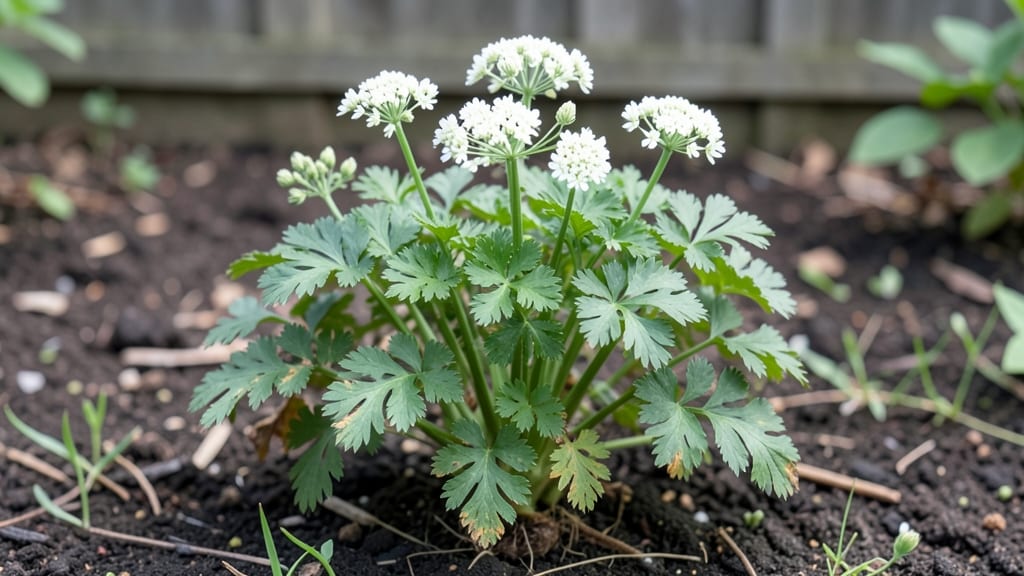
Master these cilantro gardening tips before planting—those bright green leaves and citrusy aroma are worth every effort, but only if you avoid the pitfalls I once made. 🌱 water, and timing, you’ll harvest enough to fill your kitchen with flavor in just 6-8 weeks.
The key? Keeping it consistently moist and cool, or it bolts faster than you can say "salsa night."
Start with fresh seeds in well-draining soil, planted ¼ inch deep and spaced 6 inches apart. Cilantro loves partial shade, especially in hot climates, so a spot with 4-6 hours of morning sun keeps it happy.
Water at the base—never overhead—and watch for those first leaves to emerge in 7-14 days (yes, it’s slow, but worth it).
📚 In This Guide
- What you need
- Instructions
- Tips and common mistakes
- Wrapping up and next steps
What you need
- ● Cilantro seeds: 1–2 packets (about 1/4–1/2 lb of seeds). Opt for organic, non-GMO seeds for the best flavor.
- ● Growing containers: In-ground garden: A sunny spot with well-draining soil (6+ hours of sunlight daily).
- ● Containers: 6–12-inch deep pots (at least 12 inches in diameter for multiple plants). Use fabric pots or ceramic containers with drainage holes.
- ● Potting mix: 1–2 bags of high-quality, lightweight organic potting soil (avoid garden soil—it compacts too much).
- ● Compost or fertilizer: 1 cup of balanced organic fertilizer (5-5-5 or 10-10-10) or compost per container.
- ● Watering can or hose: With a gentle spray nozzle for even moisture.
- ○ Drip irrigation or soaker hose (optional): For consistent hydration without overwatering.
- ● Sunlight: Full sun (6+ hours/day) is a must—cilantro bolts (goes to seed) faster in partial shade.
- ● Temperature: Ideal range: 50–75°F. Avoid planting in extreme heat (above 80°F) or frost.
- ● Watering routine: Keep soil consistently moist but not soggy. Cilantro hates drought stress!
- ● Space: Thin seedlings to 6–8 inches apart for optimal air circulation.
- ● Row covers or shade cloth: Protects seedlings from harsh sun or pests (30–50% shade for hot climates).
- ● Mulch: Straw or shredded leaves to retain moisture and suppress weeds.
- ● Pruning shears: For harvesting leaves cleanly without damaging the plant.
- ● Grow lights (indoor gardening): LED full-spectrum lights (12–16 hours/day) if natural light is limited.
Step-by-Step instructions for growing bold, pungent cilantro
Here's how to coax cilantro into its full flavor potential—no bitter surprises here.
🌱 Step 1: Start Seeds Indoors for Early, Strong Plants
Cilantro seeds germinate best in 65-75°F soil, so I begin them indoors 4-6 weeks before the last frost. Use small pots or a seed tray with the sterile seed-starting mix—never garden soil, which can harbor diseases that rot delicate cilantro roots. Press the mix down lightly to remove air pockets, then moisten it until it's damp like a wrung-out sponge.
Sow seeds ¼ inch deep, spacing them ½ inch apart in rows. Tap the tray gently to settle the seeds, then cover with a thin layer of additional mix. Mist the surface with water until it's evenly damp but not soggy. Place the tray in a warm, dark spot (like a cabinet) until germination, which takes 7-14 days. Patience here is key—cilantro seeds are slow starters, but they'll reward you with robust growth.
☀️ Step 2: Provide Cool Conditions and Bright Light
Once sprouts emerge, move them to a sunny windowsill or under grow lights for 14-16 hours daily. Cilantro thrives in cooler temperatures—ideal daytime highs are 60-70°F. If your home runs warmer, open windows or use a small fan to create airflow; heat stress causes bolting (that bitter taste you're trying to avoid).
Watch for first true leaves (the second set after the initial cotyledons). When they appear, thin seedlings to 2 inches apart to prevent overcrowding. If you're growing for 4 plants, keep the strongest, most vigorous seedlings. Transplant them into individual pots with 4-6 inches of depth filled with fresh potting mix—this gives their roots room to spread without competition.
💧 Step 3: Water and Feed for Maximum Flavor
Cilantro hates soggy roots, so water only when the top inch of soil feels dry. I use a spray bottle for gentle moisture, avoiding the leaves to prevent fungal issues. Overwatering is the fastest way to turn your cilantro into a sad, leggy mess. When the plants reach 4-6 inches tall, add a balanced liquid fertilizer diluted to half strength—this boosts leaf production and keeps the flavor vibrant.
Here's the thing—cilantro bolts (goes to seed) when stressed by heat or drought. To delay bolting, harvest outer leaves regularly, and avoid letting the soil dry out completely. If you notice flower stalks forming, snip them immediately. The plant will often regrow leaves from the base, but the flavor may soften. For the boldest taste, harvest in the morning after a light watering when essential oils are at their peak.
✂️ Step 4: Harvest and Encourage Continuous Growth
Harvest cilantro by snipping leaves from the outer stems with clean scissors, leaving the inner growth intact. You'll see new leaves emerge within 3-5 days4 plants, you can expect 2-3 harvests before bolting becomes inevitable in hot weather. To extend the season, succession-plant seeds every 2 weeks for a continuous supply.
If your cilantro bolts, don't toss it. The flowers attract pollinators, and the seeds (coriander) are edible and delicious. Save some for next season—just let a few plants go to seed and collect them before they scatter. Store seeds in a cool, dry place for up to 2 years. With these steps, you'll enjoy fresh, pungent cilantro straight from your garden for months.
Tips & tricks for perfect cilantro growth
These game-changing strategies will help you cultivate cilantro that's bold, pungent, and free from that dreaded bitterness.
Temperature Precision: Pay close attention to the 65-75°F soil temperature range during germination—cilantro seeds are picky about warmth. I use a soil thermometer to verify this, especially if your home runs cool. If your space dips below 60°F, consider using a seedling heat mat to maintain consistent warmth. The difference between reliable germination and wasted seeds often comes down to this single factor.
Lighting Strategy: The 14-16 hours of daily light in Step 2 is non-negotiable for preventing bolting. If natural light is insufficient, invest in full-spectrum grow lights positioned 6 inches above the plants. I've seen cilantro bolt within days when light exposure drops below 12 hours—it's that sensitive. Rotate your plants every few days to ensure even growth and prevent leggy stems reaching for light.
Harvesting Technique: When harvesting in Step 4, always cut just above a leaf node where new growth emerges. This encourages bushier plants and more frequent harvests. I use clean kitchen scissors for precision, and I never remove more than ⅓ of the plant at once. The key is to stimulate regrowth while maintaining the plant's energy balance—over-harvesting leads to stress and bolting.
Bolting Prevention: If you notice flower stalks forming despite your best efforts, don't panic. Snip them immediately at the base with clean scissors, and the plant will often produce new leaves from the base. For extra insurance, I recommend harvesting your cilantro in the morning after a light watering—this is when essential oils (and flavor) peak. The cooler morning temperatures also help maintain that fresh, pungent taste we're all after.
Pro Tips for Cilantro Gardening Tips
- These game-changing strategies will help you cultivate cilantro that's bold, pungent, and free from that dreaded bitterness.
- Temperature Precision: Pay close attention to the 65-75°F soil temperature range during germination—cilantro seeds are picky about warmth.
- Lighting Strategy: The 14-16 hours of daily light in Step 2 is non-negotiable for preventing bolting.
Frequently asked questions
Got questions about growing cilantro? You’re not alone!
Here are answers to the most common queries from home gardeners, whether you’re a cilantro newbie or a seasoned green thumb looking to troubleshoot.
How long does cilantro take to grow?
Cilantro is a fast grower! From seed to harvest, expect 3–4 weeks for leafy greens or 6–8 weeks for mature plants with thicker stems. For quick harvests, sow seeds every 2 weeks to ensure a continuous supply. Pro tip: Thin seedlings to 4–6 inches apart to avoid overcrowding.
Why does my cilantro bolt (go to seed) so fast?
Cilantro bolts due to heat, drought, or long daylight hours. To delay bolting, plant it in cool weather (spring/fall), keep soil moist, and provide partial shade if temperatures exceed 75°F. Varieties like ‘Santo’ or ‘Calypso’ are slower to bolt.
Can I grow cilantro indoors?
Use a sunny windowsill (6+ hours of light) or a grow light. A 6-inch pot with well-draining soil works well. Keep humidity moderate—cilantro hates soggy roots. Rotate the pot occasionally for even growth.
What can I plant with cilantro to prevent pests?
Cilantro thrives alongside bush beans, lettuce, and tomatoes—these companions deter pests like aphids. Avoid planting near parsley or coriander (its cousin), as they can cross-pollinate. Marigolds nearby also repel unwanted insects naturally!
How do I save cilantro seeds for next year?
Let cilantro bolt and produce flowers, then harvest the seeds when they turn brown and dry. Store them in a cool, dark place (like a paper envelope) for up to 2 years. Fun fact: These seeds are coriander—same plant, different stages!
What’s the best cilantro substitute if it fails?
If your cilantro bolts or flops, try parsley, basil, or dill for a fresh herbal kick. For a similar flavor, use 1 tsp dried coriander seeds (toasted and ground) or 1 tbsp chopped chives in a pinch. Bonus: Freeze cilantro in ice cubes to preserve it!
Wrapping up and next steps
Growing cilantro at home is simpler than you think—with the right soil, sunlight, and care, you’ll soon be harvesting fresh, vibrant leaves for your favorite dishes! 🌱 Whether you’re a beginner or a seasoned gardener, these tips ensure bold, pungent harvests that outshine store-bought bundles.
Now that you’re armed with pro tips, why not plant a few pots today and enjoy the satisfaction of homegrown flavor? Happy gardening!