How To
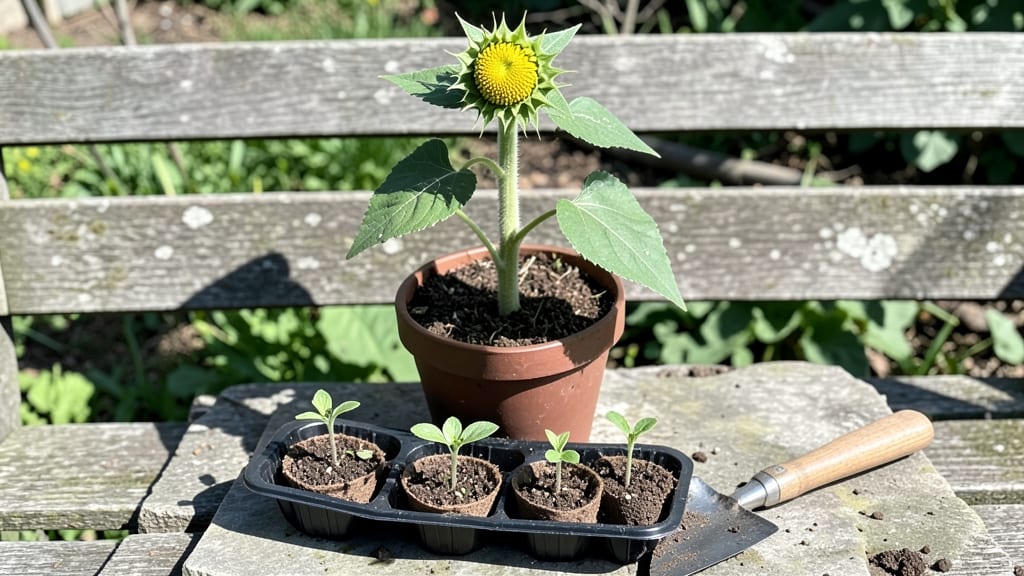
Children’s garden projects develop practical skills, spark creativity, and build environmental stewardship through hands-on activities. Try growing sunflower seeds in cups, assembling mini terrariums with pebbles and moss, or crafting fairy gardens from recycled containers—all adaptable for ages 3 to 12.
These activities go beyond simple play—they teach kids about plant life cycles, soil health, and even basic biology while keeping them engaged. 🌱 For example, watching a sunflower grow from seed to towering plant helps children grasp concepts like photosynthesis and patience.
You can start with just a few dollars' worth of supplies, making it accessible for any family looking to connect kids with nature.
What makes these projects especially effective is their flexibility. Toddlers can finger-paint soil into pots, while older kids might design entire garden layouts or track growth in journals.
The hands-on nature reduces screen time while building fine motor skills and problem-solving abilities—all wrapped in the joy of seeing something they planted thrive.
💡 In This Article
- Developmental Benefits of Kids’ Gardening Activities
- Easy, Low-Cost Garden Project Ideas for Different Ages
Developmental benefits of kids’ gardening activities
Gardening transforms children’s play into a science lab, art studio, and life skills classroom all in one. When kids dig into soil to plant seeds, they’re developing fine motor skills—the same hand-eye coordination used for writing or buttoning clothes.
Studies show that tasks like holding a ½-inch seed between thumb and forefinger strengthen the same muscles toddlers use for pencil grip, while older kids gain precision by transplanting seedlings without damaging roots.
The tactile experience of handling dirt, water, and plant materials also stimulates sensory processing, helping kids with focus and self-regulation.
What’s fascinating is how gardening teaches STEM concepts organically. A 3-inch sunflower seed becomes a lesson in plant biology when kids observe its growth stages—roots breaking through soil, leaves unfolding, and flowers blooming.
Tracking these changes over 6-12 weeks introduces basic data collection, while measuring plant heights with a ruler teaches measurement.
For ages 5+, you can add simple experiments: testing which soil (sandy vs. clay) helps beans sprout fastest, or tracking how much water (½ cup per day) keeps herbs thriving. These activities mirror early chemistry and botany principles without feeling like schoolwork.
The patience gardening builds is equally valuable. Waiting 2-3 weeks for a radish to emerge teaches delayed gratification—a skill linked to better emotional regulation. When a child’s 2-foot-tall sunflower finally blooms, the pride boosts confidence and resilience.
For younger kids, the immediate reward of edible herbs (like basil) growing in 4-6 weeks makes the process tangible.
This emotional growth extends to empathy: watching worms aerate soil or bees pollinate flowers fosters environmental awareness, with research showing kids who garden are 30% more likely to support conservation efforts later in life.
Age-specific tasks reveal how gardening adapts to developmental stages. Toddlers (ages 3-4) thrive with sensory-rich activities like finger-painting soil into pots or watering plants with cups—both build gross motor skills. Kids aged 5-8 can handle transplanting seedlings, which requires grip strength and spatial reasoning to place roots correctly.
Older children (9+) might design garden layouts, calculating spacing between plants (e.g., 12 inches apart for tomatoes) or building compost bins, which introduces basic ecology. The key is matching projects to their capabilities while gradually increasing complexity.
What most parents don’t realize is how gardening bridges social and emotional learning. Collaborative projects—like building a 2-foot-tall trellis for cucumbers—teach teamwork and communication. For kids with anxiety, the repetitive motions of watering or weeding can be calming, similar to mindfulness practices.
And the physical activity—digging, carrying water, or harvesting—burns energy while releasing endorphins, reducing stress. One study found that children who garden regularly show improved mood and 25% better attention spans in classroom settings.
To maximize these benefits, start small with projects that align with your child’s interests. A 5-minute daily watering routine builds responsibility, while letting them decorate pots with paint or stickers adds creative expression.
The goal isn’t perfection—it’s the process of discovery, where every wilted leaf or unexpected bug becomes a learning opportunity. 🌱