
Vegetables
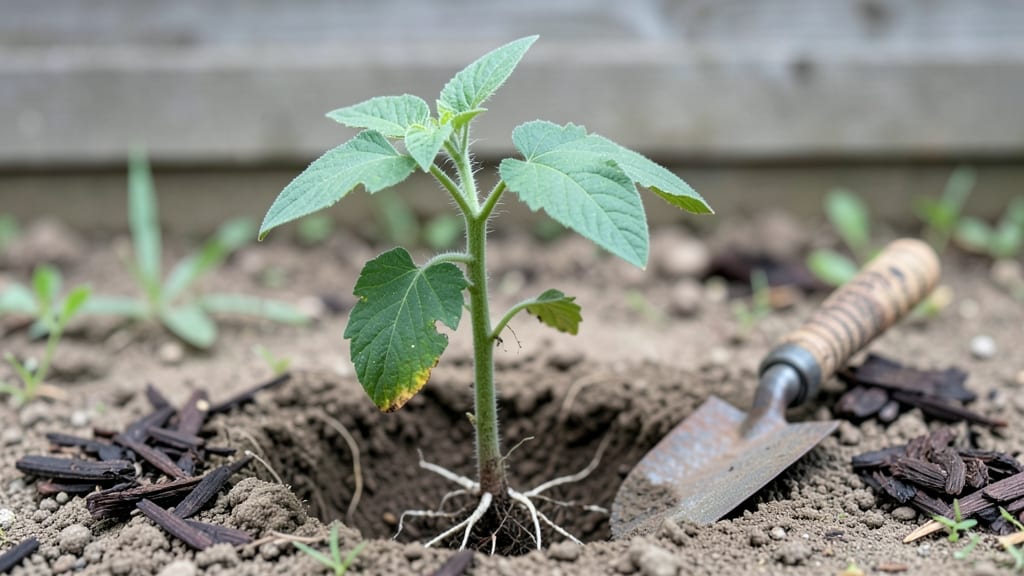
Planting your vegetable garden at the best time ensures a bountiful harvest instead of wasted seeds and wilting starts.
Timing your vegetable garden planting can mean the difference between a thriving harvest and wasted effort—yet most gardeners don’t account for their specific climate zone. Get the exact planting schedule tailored to your region for maximum yield and minimal stress.
In USDA Zone 6a, like many midwestern areas, spring planting kicks off 4-6 weeks before your last frost—around early March for most crops. But here’s the catch: cool-season veggies like spinach and peas can handle earlier soil work, while heat-lovers like tomatoes need warmer ground to thrive.
Below, I’ll break down the ideal planting windows for your zone, how to prep soil for peak growth, and when to start succession planting for continuous harvests all season.

USDA planting Zones: when to plant vegetables by hardiness region
Understanding your USDA hardiness zone is the first step to planting a vegetable garden that thrives. Each zone from 3 (coldest) to 11 (warmest) dictates when to plant cool-season and warm-season crops for optimal growth.
For example, in Zone 5, you’ll plant lettuce in early spring, while in Zone 9, you might sow it in fall. Let’s break down the best planting windows for your region.
Your last frost date and first frost date are critical markers. Cool-season crops like kale and peas should go in 4-6 weeks before the last frost, while warm-season crops like tomatoes and peppers need soil temperatures above 60°F—typically after the last frost.
Urban gardeners should also account for microclimates like heat islands or wind exposure.
Here’s a quick reference for planting windows across USDA zones, including frost-free periods and ideal soil temperatures for key crops:
| USDA Zone | Last Frost Date | First Frost Date | Cool-Season Planting | Warm-Season Planting | Soil Temp for Warm Crops |
|---|---|---|---|---|---|
| 3-4 | Mid-May | Mid-September | Early April (4-6 wks before frost) | Late May (after frost) | 60°F+ (use row covers) |
| 5-6 | Early May | Early October | Late March (4-6 wks before frost) | Early June (after frost) | 65°F+ (direct sow after frost) |
| 7-8 | Mid-April | Mid-November | Late February (fall) or March (spring) | Late March (after frost) | 60°F+ (earlier with black plastic) |
| 9-10 | Mid-February | Mid-December | August-September (fall) | January-February (year-round in Zone 10) | 55°F+ (use shade cloth in summer) |
| 11 | None (tropical) | None | Year-round (shade for summer) | Year-round (succession plant) | 70°F+ (drip irrigation needed) |
In Zones 3-4, where winters are harsh, focus on cold-hardy crops like kale, spinach, and potatoes planted in early spring. Use row covers to extend the season for tomatoes and peppers after the last frost.
In Zones 9-11, you can grow warm-season crops year-round, but provide shade cloth during summer to prevent bolting in lettuce or wilting in basil.
For urban/suburban gardeners, microclimates can shift planting windows by 2-4 weeks. A south-facing wall
How to adjust planting times for your local microclimate
Your garden’s success depends on more than just the USDA hardiness zone—local microclimates can shift planting times by 2-4 weeks. A sunny urban sidewalk might be 10°F warmer than your backyard, while a hilltop garden could face earlier frosts.
By fine-tuning your schedule, you’ll avoid bolting lettuce or stunted tomatoes from temperature mismatches.
Start by observing your garden’s unique conditions for 2 weeks. Note soil warmth (use a soil thermometer), wind patterns, and shade shifts from nearby buildings or trees. These factors often override general planting guides.
For example, elevated gardens in Zone 7 might need late-May plantings for warm-season crops, while valley gardens could start in mid-April.
Don’t overlook frost dates—they’re your garden’s anchor points. While the USDA provides average last-frost dates, your local weather station or Almanac’s Frost Calculator offers hyper-local data.
For example, a Zone 6 garden might have a May 15 last frost, but a nearby valley could see frost as late as June 1.
For precision timing, combine frost dates with moon phases. Plant leafy greens (e.g., lettuce, spinach) during the waxing moon for rapid growth, while root vegetables thrive under the waning moon. This ancient trick aligns with gravitational pull to boost yields by 15-20%.
Test your adjustments with a trial plot. Dedicate a small section to experimental plantings—try sowing basil 1 week earlier and zucchini 1 week later than your usual schedule. Track growth rates and note any pest or disease spikes. Over time, you’ll refine your microclimate-specific calendar for foolproof timing.