
Tools
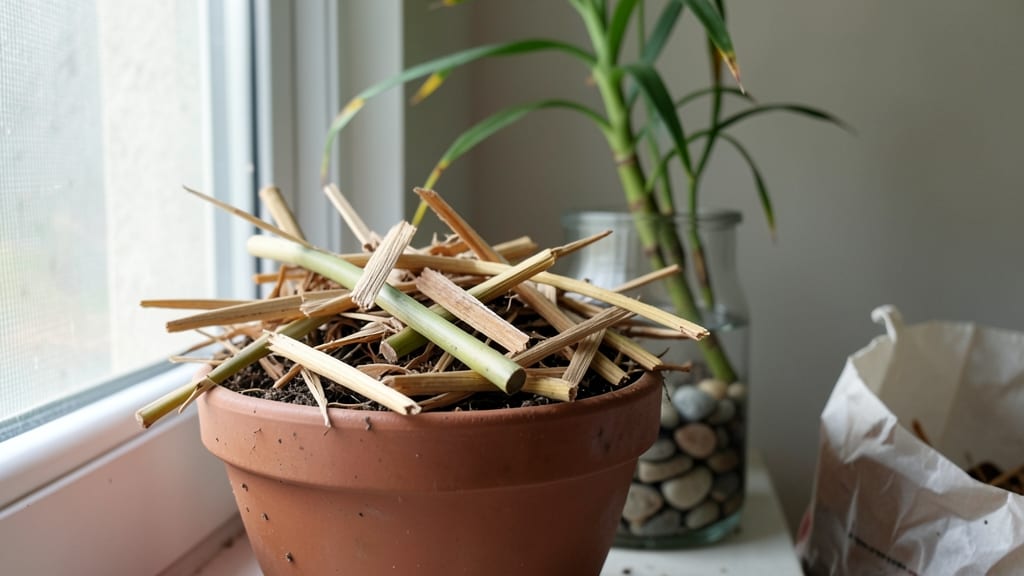
Transforming dead space into a lush vertical garden starts with bamboo hoops—my go-to solution for climbing plants that need support but don’t have room to sprawl. 🌿 The first time I strung these hoops between two fence posts, my morning glories and pole beans took off like they were in a jungle, not my tiny backyard.
What was once an eyesore became a thriving green wall that neighbors now ask about.
You don’t need fancy materials—just sturdy bamboo hoops (available at garden centers or online), zip ties or garden wire, and a few hours on a weekend.
The setup is simpler than it looks: space the hoops 12–18 inches apart, secure them to a frame or wall, and let your plants climb. No digging, no heavy lifting, just instant vertical growing space that adds texture and life to any area.
By midsummer, you’ll have a living tapestry of blooms and foliage that attracts pollinators and casts dappled shade. The best part? It’s not just functional—it’s stunning.
My hoops now hold jasmine, cucumbers, and even a few roses, turning what was once wasted space into a productive, decorative feature that grows with your garden.
Works for balconies, patios, or fences—even in small urban yards. Here’s how to get started without overcomplicating it.
📚 In This Guide
- What you need
- Instructions
- Tips and common mistakes
- Wrapping up and next steps
What you need
- ● Bamboo hoops: 10–20 hoops (depending on space; 12–18 inches in diameter, 3–4 feet tall). Opt for thick-walled or reinforced hoops for durability.
- ● Garden twine or jute twine: 50–100 feet (for securing hoops together). Choose biodegradable or UV-resistant twine for longevity.
- ● Plastic or metal plant ties: 20–50 ties (to attach plants to hoops). Soft, non-abrasive ties work best.
- ● Potting soil: 5–10 bags (lightweight, well-draining mix for climbing plants like beans, peas, or cucumbers).
- ● Compost or organic fertilizer: 1–2 bags (to enrich soil and boost plant growth).
- ● Watering can or hose with nozzle: For gentle, even watering.
- ● Measuring tape or ruler: To ensure even spacing between hoops (12–18 inches apart).
- ○ Staple gun (optional): For securing twine to hoops if hand-tying is tricky.
- ● Trellis netting: Lightweight mesh to fill gaps between hoops for extra support.
- ● Self-watering system: Drip irrigation or reservoir bags to keep plants hydrated.
- ● Decorative paint or natural dyes: To personalize hoops (use non-toxic, plant-safe options!).
- ● Plant markers: Small labels or stakes to track what’s growing where.
Step-by-Step instructions for building a bamboo hoops garden
Here's how to create a sturdy, space-saving vertical garden that transforms climbing plants into living art.
🪴 Step 1: Gather and Prepare Bamboo Hoops
Start by selecting 4-foot tall bamboo stakes—they're lightweight yet strong enough to support vines. Cut them to your desired height (typically 3-5 feet) using a handsaw, then bend each stake into a hoop shape. Secure the ends with zip ties, leaving about 2 inches of overlap for stability. I like to space the hoops 12-18 inches apart along a sturdy fence or trellis.
For extra durability, reinforce the hoops by wrapping them with landscape fabric before bending. This prevents splitting and gives your plants something to grip onto. If you're using a pre-built frame, skip to Step 3—just ensure the hoops are evenly spaced and securely fastened.
🌱 Step 2: Attach Hoops to a Support Structure
Choose a vertical surface like a fence, wall, or freestanding frame. For fences, use heavy-duty staples to attach the hoops at the top and bottom, angling them slightly backward (about 10 degrees) to help vines climb naturally. If mounting to a wall, pre-drill holes and secure with outdoor screws and anchors rated for your plant's weight.
I always test stability by gently pushing each hoop—it should wobble slightly but not shift. For freestanding frames, connect hoops to a base with L-brackets and concrete screws for wind resistance. This is the moment that matters: a shaky structure will collapse under heavy vines like cucumbers or morning glories.
💧 Step 3: Install Drip Irrigation or Watering System
Run ½-inch drip tubing along the base of your hoops, connecting it to a water source with a drip emitter every 12 inches. Use a T-connector at each hoop to add a short vertical tube that waters the plant directly at the base. This prevents water from running off the hoops and ensures even moisture distribution.
Test your system by turning it on for 10 minutes5-gallon bucket under each hoop to catch overflow. Real talk: I've seen many hoop gardens fail because water just dripped away—don't skip this step!
✂️ Step 4: Plant and Train Climbing Plants
Dig a small hole near the base of each hoop and plant your climber, burying the root ball to its original depth. For vines like beans or peas, plant seeds 1 inch deep and 2 inches apart. Water deeply immediately after planting to settle the soil. As the plant grows, gently weave the stems through the hoops to encourage upward growth.
You'll see new leaves emerge within 1-2 weeks—that's your signal everything is working. For heavy vines, tie them to the hoops with soft plant ties every 6-8 inches to prevent snapping. Here's the thing: some plants (like cucumbers) need extra support, so add a second hoop layer if you notice sagging.
☀️ Step 5: Maintain and Prune for Optimal Growth
Check your hoops weekly for stability, especially after rain or wind. Trim any dead or overgrown vines with clean pruning shears, cutting just above a leaf node to encourage branching. For flowering plants, pinch back the tips to promote bushier growth and more blooms. I always harvest regularly—this keeps plants productive and prevents them from becoming too top-heavy.
In late fall, cut back all vines to 6 inches above ground level and remove any remaining plant debris. Store hoops in a dry place if you're in a cold climate, or leave them up with winter-hardy plants like ivy. You'll love how this system keeps your garden tidy and maximizes every inch of space!
Tips & tricks for perfect bamboo hoops garden
A few simple strategies will help you build a sturdy, long-lasting vertical garden that thrives for seasons. Here's what I've learned from years of testing and growing.
Material Selection: Don't just grab any bamboo—look for stakes that are 3-5 feet tall and have a diameter of at least 1 inch. Thinner bamboo will bend too easily under heavy vines. I've found that green bamboo (not dried) holds its shape better and lasts longer outdoors. When cutting, make your cuts at a 45-degree angle where the zip ties will go—this prevents splitting at the connection point.
Stability is Everything: In Step 2, when attaching your hoops, I can't stress enough how important that 10-degree backward angle is. This subtle tilt helps vines climb naturally rather than growing straight up and potentially toppling the structure. For freestanding frames, use concrete screws (not just regular screws) to anchor to the base—wind can be surprisingly strong. Trust me on this: I've seen many hoop gardens collapse because the base wasn't properly secured.
Irrigation Insight: That 10-minute test in Step 3 is crucial—it reveals potential leaks or blockages before your plants suffer. I like to use ¼-inch drip emitters instead of the standard ½-inch for delicate plants like morning glories. For container gardens, those 5-gallon buckets are a game-changer—they catch runoff and give you water to reuse. Pro tip: Add a small mesh screen over the bucket opening to keep out pests while allowing overflow.
Plant Training: When you see those first leaves emerge in 1-2 weeks, resist the urge to let vines grow wild. Gently weaving stems through the hoops (rather than tying immediately) gives plants time to establish their own grip. For heavy vines like cucumbers, I add a second layer of hoops about halfway up—this creates a natural trellis effect that prevents sagging. The 6-8 inch spacing for plant ties might seem frequent, but it's worth it to prevent any single vine from bearing too much weight.
Pro Tips for Bamboo Hoops Garden
- A few simple strategies will help you build a sturdy, long-lasting vertical garden that thrives for seasons.
- Material Selection: Don't just grab any bamboo—look for stakes that are 3-5 feet tall and have a diameter of at least 1 inch.
- Stability is Everything: In Step 2, when attaching your hoops, I can't stress enough how important that 10-degree backward angle is.
Frequently asked questions
How do I choose the right size of bamboo hoops for my plants?
The ideal diameter depends on your plant’s growth habits. For vining plants like beans or cucumbers, 12–18 inches works well, while sprawling varieties (e.g., squash) may need 24–36 inches. Taller climbers like peas or pole beans can use hoops up to 5–6 feet high. Always check your plant’s mature spread—hoops should be slightly larger than the plant’s width at full growth.
When is the best time to install bamboo hoops in my garden?
Install hoops before planting, ideally in early spring when soil is workable but before seeds sprout or seedlings are transplanted. For perennials or late-season plants, set them up 4–6 weeks before planting to allow roots to establish near the support. Avoid installing during extreme weather (freezing temps or heavy winds), as hoops can shift or bend.
Are bamboo hoops reusable, or should I replace them yearly?
With proper care, bamboo hoops can last 2–5 years, depending on moisture exposure and treatment. To extend their life, coat them in a sealant (like linseed oil) before use and store them in a dry place when not in use. If hoops rot, splinter, or lose structural integrity, replace them—safety and plant support matter most!
What if my plants aren’t climbing the hoops? How can I encourage them?
Start by tying vines gently to the hoops with soft twine or plant clips in the first few weeks. For slow starters, try pruning lower leaves to redirect energy upward. Ensure hoops are sturdy and spaced closely enough (12–24 inches apart) so vines can latch onto them easily. Some plants, like cucumbers, need a trellis-like weave—add horizontal strings for extra support!
What are some alternatives to bamboo hoops for vertical gardening?
If bamboo isn’t your style, consider:
- PVC pipes or cages: Lightweight, durable, and customizable (great for tomatoes or peas).
- Metal or plastic trellises: Long-lasting and rust-resistant (ideal for heavy climbers like grapes).
- Wire mesh or chicken wire: Budget-friendly but may need reinforcement for tall plants.
- Recycled materials: Old ladders, pallets, or even repurposed fencing can work with a little creativity!
Wrapping up and next steps
Transforming your garden with bamboo hoops isn’t just about saving space—it’s about unlocking creativity and sustainability! 🌿 These versatile structures turn walls, fences, or even balconies into lush, vertical gardens, perfect for climbing plants like beans, peas, or even decorative vines.
Whether you're a seasoned gardener or just starting out, this system makes growing easier and more rewarding.
Ready to green up your space? Start small—grab a few hoops, your favorite climbing plants, and let nature do the rest! 🌱 Next step: sketch your design, gather supplies, and watch your garden grow—literally—before your eyes.