
Advice
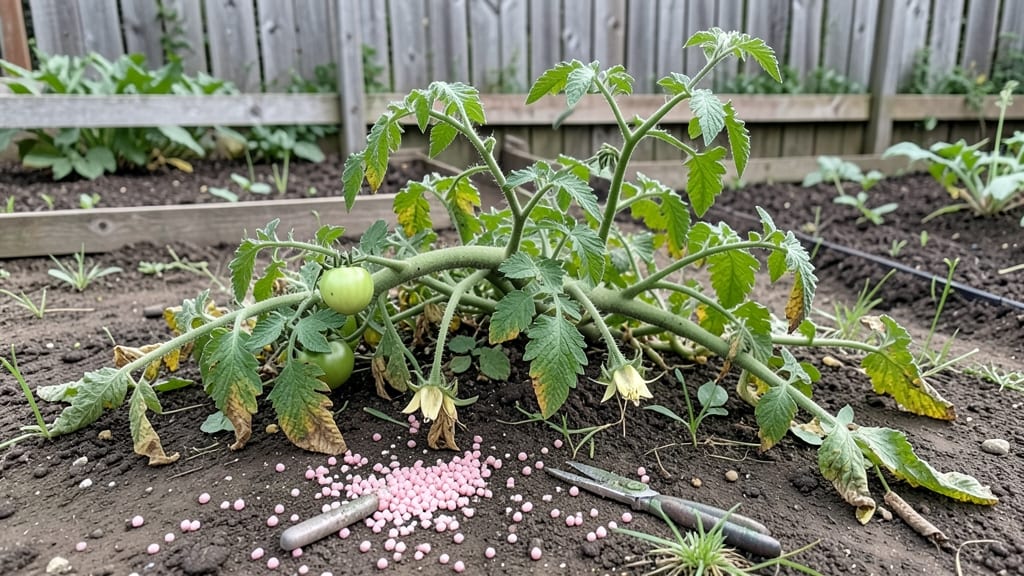
Even the worst bad gardening habits can turn a lush garden into a graveyard of wilting dreams—most without you ever noticing. 🌱 The problem isn’t that gardening is hard—it’s that small mistakes add up, and suddenly your thriving garden becomes a graveyard of crispy leaves and sad-looking stems.
The good news? Almost every plant casualty comes from just a few repeat offenders.
Overwatering tops the list—more than half the plants I've lost got drowned in my enthusiasm. Then there's ignoring soil quality, assuming store-bought mix works for everything, and skipping mulch like it's an optional extra.
Even experienced gardeners fall for these traps, which is why I'm sharing the exact fixes that saved my next batch of plants.
You'll walk away knowing how to check soil moisture without guessing, when to actually water (hint: it's not every day), and which plants can't handle soggy roots. The before-and-after difference is shocking—what looked hopeless came back stronger than ever once we corrected these habits.
Whether you're a new gardener or someone who's just tired of losing plants, these fixes work for containers, raised beds, and in-ground gardens alike. Let's turn those mistakes into lessons—and your garden into the thriving space you want.
📚 In This Guide
- What you need
- Instructions
- Tips and common mistakes
- Wrapping up and next steps
What you need
- ● Quality gardening gloves (2 pairs): Choose breathable, durable options (e.g., leather or nitrile-coated) to protect your hands from thorns, soil, and chemicals.
- ● Hand trowel (1): A stainless steel or ergonomic trowel (5–7 inches long) for digging, transplanting, and weeding.
- ● Pruning shears (1): Bypass-style shears (with sharp, stainless steel blades) for clean cuts—never use dull or rusty tools!
- ● Garden fork (1): A heavy-duty, 4-tine fork (18–24 inches) for aerating soil and breaking up compacted areas.
- ● Watering can or hose (1): A 5-gallon can with a rose attachment (for gentle watering) or a soaker hose to avoid overwatering.
- ● pH testing kit (1): A digital or liquid test kit to check soil acidity/alkalinity (ideal range: 6.0–7.0 for most plants).
- ● Organic compost (5–10 gallons): Well-aged compost (or worm castings) to amend poor soil. Avoid fresh manure!
- ● Mulch (2–3 bags): Shredded bark, straw, or wood chips (2–3 inches thick) to retain moisture and suppress weeds.
- ● Knee pad or stool: For comfort during long gardening sessions.
- ● Soil moisture meter: Prevents over/under-watering by checking moisture levels.
- ● Plant support stakes or cages: For tomatoes, peppers, or tall flowers.
- ● Neem oil or fungicide: Natural solutions for pests/diseases (follow label instructions!).
- ● Labeling tags: To track plant varieties and avoid confusion.
How to spot and fix common plant-killing gardening mistakes
Even experienced gardeners fall into these traps—here’s how to recognize them before they ruin your plants.
🌱 Step 1: Overwatering (The Silent Plant Killer)
Most gardeners drown their plants without realizing it. Roots need air to breathe, and soggy soil suffocates them. You’ll know you’re overwatering when the topsoil stays wet for more than 2-3 days or when leaves turn yellow and droop, even though the soil feels damp.
Fix it by sticking your finger 1 inch deep into the soil. If it feels moist, wait another day. Use pots with drainage holes and a well-draining soil mix—this prevents water from pooling. I’ve killed more plants from too much love than from neglect, so trust the soil’s moisture level over your watering schedule.
💧 Step 2: Ignoring Soil Quality (Poor Nutrition Leads to Weak Growth)
Using garden soil straight from the yard is a common mistake—it’s too dense, lacks nutrients, and can harbor pests. Plants in poor soil grow slowly, develop pale leaves, or wilt even when watered. Check your soil by squeezing a handful: if it crumbles easily, it’s likely too dry or nutrient-deficient.
Fix this by amending your soil with compost or organic matter before planting. For container gardens, use a high-quality potting mix designed for your plants. I always test my soil’s pH—most vegetables thrive in 6.0-7.0, while blueberries need 4.5-5.5. A simple soil test kit solves this guesswork.
☀️ Step 3: Wrong Light Exposure (Burning or Starving Plants)
Too much sun scalds leaves, turning them crispy or white, while too little makes plants stretch and weaken. Most houseplants need bright, indirect light, while outdoor plants like tomatoes crave 6+ hours of full sun. If your plant’s leaves are bleached or sunburned, it’s getting too much direct light.
Fix this by observing your plant’s reaction. Move it to a spot where it gets half-day sun if leaves are scorched, or closer to a window if it’s leggy. Artificial grow lights work well for indoor plants—just keep them 6-12 inches away to avoid heat damage. I keep a basil plant by my kitchen window and rotate it weekly so it grows evenly.
✂️ Step 4: Pruning at the Wrong Time (Cutting Back Too Much or Too Late)
Pruning at the wrong time can stunt growth or invite pests. If you trim right after planting, the plant won’t establish strong roots. Over-pruning—cutting more than ⅓ of the plant at once—stresses it and slows recovery. You’ll know you’ve overdone it if the plant wilts or drops leaves immediately after pruning.
Fix this by pruning in early spring or after flowering, when the plant is actively growing. Use clean, sharp shears to make cuts just above a leaf node. For herbs like mint or basil, pinch off the top leaves to encourage bushier growth. I always prune my roses after they bloom—they reward me with fuller bushes and more flowers next season.
🪴 Step 5: Skipping Pest Inspections (Waiting Too Long to Act)
Ignoring early signs of pests—like tiny holes in leaves or sticky residue—lets problems spiral out of control. By the time you see chewed leaves or wilting, the infestation is often severe. Check the undersides of leaves and stems weekly for eggs, aphids, or spider mites. A magnifying glass helps spot tiny pests before they multiply.
Fix this by acting fast. Spray plants with a mix of water and mild soap for soft-bodied pests like aphids. For tougher infestations, introduce beneficial insects like ladybugs or neem oil. I keep a small spray bottle in my gardening shed—prevention is easier than treating a full-blown outbreak. Rotate your plants occasionally to disrupt pest cycles.
Tips & tricks for avoiding common plant-killing mistakes
Even the most well-intentioned gardeners make these mistakes—here’s how to spot them before they ruin your plants.
Soil Moisture Test: The finger test in Step 1 is your best friend. Press your finger 1 inch deep—if the soil feels damp, wait another day. I’ve learned the hard way that watering on a schedule (like every Tuesday) is a recipe for disaster. Instead, check moisture daily, especially in containers where soil dries faster.
Compost Quality Check: Not all compost is created equal. For Step 2, look for dark, crumbly compost that smells earthy, not like rotten eggs. Avoid clumpy or waterlogged compost—it can suffocate roots. I mix in a handful of worm castings for an extra nutrient boost, especially for potted plants.
Light Rotation Strategy: When adjusting light exposure in Step 3, rotate your plants weekly so they grow evenly. I use a simple timer to remind myself—every Sunday, I turn my basil plant a quarter turn. This prevents lopsided growth and ensures all leaves get equal access to light. Artificial grow lights should stay 6-12 inches away to avoid heat damage.
Pruning Tool Maintenance: Before you prune in Step 4, sharpen your shears with a file and wipe them with rubbing alcohol. Dull blades crush stems instead of making clean cuts, inviting disease. I keep a small bottle of alcohol in my gardening shed and clean my tools after every use—it’s a habit that’s saved my roses from multiple infections over the years.
Pro Tips for Bad Gardening Habits
- Even the most well-intentioned gardeners make these mistakes—here’s how to spot them before they ruin your plants.
- Soil Moisture Test: The finger test in Step 1 is your best friend.
- Compost Quality Check: Not all compost is created equal.
Frequently asked questions
Got questions about those sneaky gardening habits that might be sabotaging your green thumb? Here are some common concerns—and quick fixes—to keep your plants thriving!
Why do my plants look sad even after I water them regularly?
Overwatering is a huge culprit! Too much moisture suffocates roots, leading to yellow leaves or mold. Let the top inch of soil dry out between waterings, and ensure pots have drainage holes. Check your setup—sometimes "watering well" means less water!
Can I fix over-fertilizing mistakes right away?
Yes, but act fast! Flush the soil with water to dilute excess nutrients, then let it dry. Avoid fertilizing for 2–4 weeks. If roots look burned, trim the damaged parts and repot with fresh soil. Pro tip: Always follow package instructions—more isn’t better!
How do I know if my plants need repotting, or am I just being impatient?
Root-bound plants show signs like roots circling the pot’s bottom or soil drying out way too fast. Gently remove the plant: if roots fill the pot or spill out, it’s time to upgrade. Choose a pot just 1–2 inches larger in diameter—bigger isn’t always better!
Why do pests keep coming back after I treat them?
Pests often return because their favorite plants (like yours!) are still stressed or unhealthy. Check for hidden damage, improve airflow, and rotate plants to disrupt pest cycles. Natural predators (like ladybugs) or neem oil can also help prevent future invasions.
Is it ever too late to save a plant with brown leaves?
Not always! First, diagnose the cause: crispy edges = underwatering; yellowing = overwatering. Trim dead leaves and adjust care. If the plant is mostly brown, it may be past saving—but don’t give up! Some perennials (like hostas) can regrow from the base with proper care.
Wrapping up and next steps
Breaking bad gardening habits is the first step toward a thriving garden! 🌱 From overwatering to ignoring soil health, small tweaks can make a huge difference. Remember: patience and observation are your best tools—your plants will thank you with lush growth and vibrant blooms.
Ready to turn things around? Start by picking just one habit to fix this week—whether it’s improving drainage or testing your soil. Every expert gardener began as a beginner, so grab your gloves and dive in! 🌿