
Landscaping
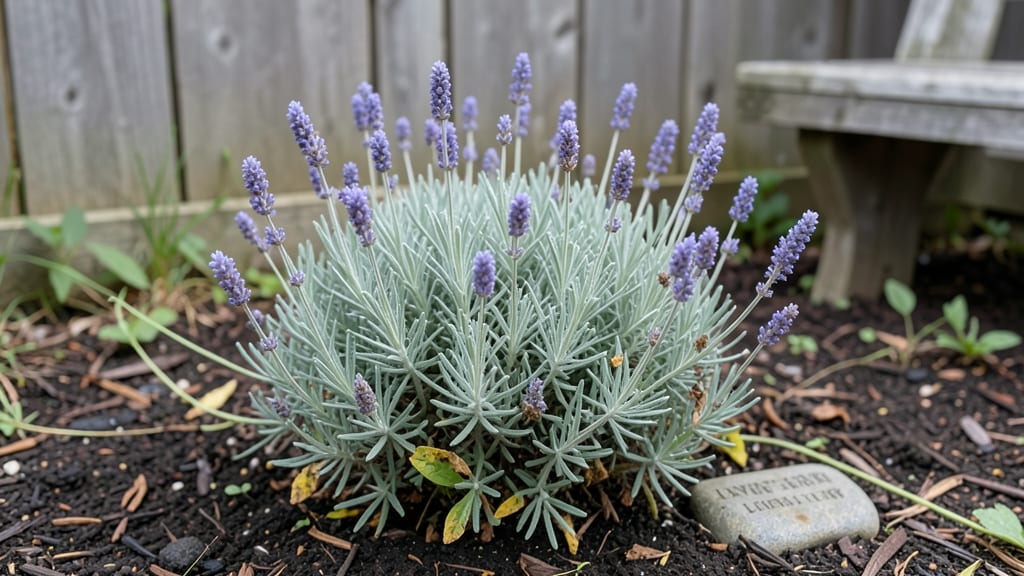
A small memorial garden in your backyard can become a quiet place of reflection and love. 🌿 I designed mine after losing a close friend, and it's become our shared space for remembering—simple, personal, and full of meaning.
The key is choosing plants that last through seasons and elements that feel intentional, like engraved stones or weather-resistant markers.
You don’t need much space or a big budget to create something lasting. A 4’x4’ area works perfectly for a bench, a few plants, and a focal point like a engraved stone or small statue.
Low-maintenance perennials like lavender, ornamental grasses, and everlasting flowers keep it beautiful year-round with minimal upkeep.
The result is a place that feels like a hug—soft textures, fragrant blooms, and a layout that invites sitting and remembering. Every time I visit, I feel closer to the person I lost, and the garden keeps growing, just like the memories. Let’s make yours just as meaningful.
This design works for any backyard, no matter the size. Whether you have full sun or shade, there’s a way to create a space that feels like home—both for you and for the memories you’re honoring.
📚 In This Guide
- What you need
- Instructions
- Tips and common mistakes
- Wrapping up and next steps
What you need
- ● Soil & Mulch: Topsoil (2–3 cubic yards, depending on garden size)
- ● Organic mulch (2–3 bags, like pine bark or shredded cedar)
- ● Plants & Greenery: Perennials (e.g., lavender, roses, or hostas—3–5 plants)
- ● Evergreens (e.g., boxwood or dwarf conifers—2–3 plants for structure)
- ● Ornamental grasses (1–2 clumps for movement)
- ○ Succulents or drought-tolerant plants (optional, for low-maintenance appeal)
- ● Memorial Elements: Engraved stone or plaque (1–2, depending on design)
- ● Small statue, figurine, or symbolic object (e.g., butterfly, heart, or wind chime)
- ○ Personalized bench or seating area (optional, if space allows)
- ● Tools: Garden trowel & spade
- ● Pruners (sharp, for clean cuts)
- ● Wheelbarrow (for hauling soil/mulch)
- ● Measuring tape & string (for layout)
- ● Gloves (to protect your hands)
- ● Solar-powered pathway lights (for soft evening glow)
- ● Birdbath or small fountain (to attract wildlife)
- ● Hand-painted rocks or custom signage
- ● Seasonal flowers (e.g., annuals like marigolds or pansies)
- ● Weather-resistant seating (e.g., a small table or Adirondack chair)
Step-by-Step instructions for designing a small memorial garden
Transform a quiet corner into a peaceful tribute with these thoughtful, easy-to-follow steps.
🪴 Step 1: Choose a Sunny or Shaded Spot
Select a 4-foot by 4-foot area that feels special—near a tree, under a window, or along a fence works beautifully. Observe the sunlight patterns throughout the day. Most memorial gardens thrive with 4-6 hours of sun, but shade-tolerant plants like ferns or hostas can create a serene space in low-light areas. Mark the boundaries with stakes or a garden hose so you can visualize the layout.
I always test the spot for a few days first. Sit there with a notebook and jot down what you notice—the breeze, the sounds, the times of day when it feels most peaceful. This helps me design a space that truly honors the person it celebrates.
🌱 Step 2: Layer Plants for Depth and Meaning
Start with a low border of creeping thyme or moss (about 6 inches wide) to frame the edges neatly. Add 3-5 medium-height plants like lavender, ornamental grasses, or dwarf shrubs for structure—these should reach 12-18 inches tall. Finally, place 1-2 focal plants in the center, such as a small tree, a trellis with climbing roses, or a bench surrounded by flowering perennials.
I like to include plants with personal significance—maybe the person loved roses, or perhaps they had a favorite shade of blue. Mix textures too: smooth leaves, feathery grasses, and delicate blooms create a tactile experience that invites quiet reflection.
☀️ Step 3: Add Seating and Personal Touches
Place a small bench, stone slab, or wooden chair where you can sit comfortably. If space is tight, a foldable stool works just as well. Surround it with 3-4 potted plants or a low stone border to define the seating area. Add a wind chime, solar-powered lantern, or engraved plaque to personalize the space further.
Here’s where it gets meaningful: include items that reflect the person’s life—a favorite book left open, a small statue, or even a handwritten note tucked into a waterproof container. The goal is to create a space that feels like them, not just a garden.
💧 Step 4: Mulch and Maintain for Longevity
Spread 2-3 inches of mulch (like shredded bark or gravel) over the soil to suppress weeds and retain moisture. Water deeply once a week unless it rains, focusing on the base of plants rather than overhead. Trim back overgrown foliage in early spring to keep the garden looking tidy without losing its natural charm.
I promise, the first year will feel like the most work—but after that, it’s just gentle upkeep. Visit the garden regularly, even if it’s just to say hello. Over time, it’ll become a place of quiet connection, not just a pretty spot in the yard.
⏰ Step 5: Light It Thoughtfully for Evening Visits
Add 1-2 solar-powered garden lights or low-voltage LED path lights to illuminate the space after dark. Place them near the seating area or along pathways so you can enjoy the garden at dusk. Battery-operated tea lights in glass jars also create a warm, inviting glow without wires or electricity.
Test the lighting in the evening—you’ll notice how different plants stand out under soft light. A well-lit memorial garden feels safe and welcoming, especially during quiet moments of reflection.
Tips & tricks for designing a thoughtful memorial garden
Creating a meaningful memorial garden takes more than just plants—it’s about capturing the essence of a person in every detail. Here’s what I’ve learned from designing these spaces over the years.
The Sunlight Secret: That 4-6 hour sunlight window in Step 1 is crucial for most plants, but don’t overlook shade options like ferns or hostas—they’ll create just as serene an atmosphere in low-light areas. I always test the spot for a few days first to understand how the light changes throughout the day, especially if you're considering shade-tolerant varieties. This simple observation can save you from planting the wrong plants later.
Personalization Matters Most: In Step 3, when adding those personal touches, think beyond just plants. Consider including items that reflect the person's hobbies—a bird feeder if they loved watching birds, or a small chess set if they enjoyed strategy games. The goal is to create a space that feels like them, not just a pretty garden. I once added a vintage typewriter to a garden for a writer friend, and it became the focal point for visitors.
Layering Like a Pro: The 6-inch border of creeping thyme or moss in Step 2 isn't just decorative—it creates a natural frame that draws the eye inward. For the 3-5 medium-height plants, I recommend spacing them about 12 inches apart to give them room to grow without crowding. This layered approach adds depth and makes the garden feel more intentional, not just randomly planted.
Lighting for Evening Connection: When adding those 1-2 solar-powered lights in Step 5, place them at different heights to create visual interest. I like to position one at ground level near the seating area and another slightly higher along a pathway. This creates a magical, layered effect when the lights come on at dusk, making the garden feel even more welcoming during evening visits.
Pro Tips for Backyard Small Memorial Garden Design
- Creating a meaningful memorial garden takes more than just plants—it’s about capturing the essence of a person in every detail.
- The Sunlight Secret: That 4-6 hour sunlight window in Step 1 is crucial for most plants, but don’t overlook shade options like ferns or hostas—they’ll create just as serene an atmosphere in low-light areas.
- Personalization Matters Most: In Step 3, when adding those personal touches, think beyond just plants.
Frequently asked questions
Got questions about creating your own small memorial garden?
Here are some of the most common concerns—and their answers—to help you get started with confidence.
What’s the best time of year to plant a memorial garden?
The ideal time depends on your climate, but spring or early fall are usually best. Spring lets plants establish roots before summer heat, while fall avoids winter dormancy. In warmer climates, plant in late winter or early spring to avoid dry spells. Check your local frost dates for guidance!
How much does a small memorial garden cost?
Costs vary widely—$50–$500+ depending on materials and size. Basic designs (potted plants, small stones, or a DIY bench) can be under $100. Upgrading with pavers, custom engravings, or lighting may push costs to $300–$1,000. Pro tip: Thrift stores and repurposed items (like vintage planters) can cut expenses!
What are low-maintenance plants for a memorial garden?
Opt for hardy, drought-tolerant plants like lavender, succulents, ornamental grasses, or hostas. These require minimal watering and upkeep. If you prefer flowers, roses, peonies, or daylilies are durable and symbolic. Evergreens (like boxwood or juniper) add year-round structure with little effort.
How small can a memorial garden realistically be?
A memorial garden can be as tiny as a window box, a single planter, or even a small patch of grass with a bench. Even a 2’x2’ space can hold meaningful elements like a engraved stone, a few plants, or a candle holder. The key is intentionality—focus on personal touches over size!
What if I don’t have a green thumb? Can I still make it work?
Absolutely!
Start with artificial elements like decorative stones, a small fountain, or a framed photo. Add self-watering planters or drought-resistant plants to reduce effort. Pro tip: Group plants with similar watering needs together to simplify care.
How can I add personal touches without breaking the bank?
DIY elements like hand-painted rocks, pressed flowers in resin, or a shadow box with mementos add meaning at low cost. Use family heirlooms (like a vintage teacup as a planter) or free local materials (smooth river stones, fallen branches). A simple handwritten plaque or custom poem can be deeply moving.
Wrapping up and next steps
Creating a small memorial garden in your backyard is more than just landscaping—it’s a heartfelt way to honor loved ones while crafting a peaceful retreat. Whether you choose native plants, sentimental decor, or a quiet bench, every detail adds meaning and beauty to your space.
The key is to start small, personalize it with intention, and let it grow (literally and emotionally) over time.
Ready to turn your vision into reality? Sketch a rough layout today—even a simple doodle—and gather a few materials to begin. Your memorial garden will not only stand as a tribute but also as a serene sanctuary for reflection and healing. 🌿✨